

Tracing Nepal’s Unification from Liglig Kot to the Magar Villages of Dubung
Somewhere between the mist clinging to the hills of Dhading and the roar of the Trishuli River, the road stops being just a road. It becomes a thread pulling you backward into history, toward the hilltop where a kingdom was born and the villages where the soldiers who built it still live. This is the road to Gorkha, and it does not simply lead to a district in Gandaki Province. It leads to the very origin point of modern Nepal, to the fort where a king was crowned by a footrace, to the durbar where the nation builder Prithvi Narayan Shah first opened his eyes, and to a small Magar village called Dubung where courage still wears the shape of everyday life. To travel this route is to travel through Nepal’s own memory, one hill at a time.
Why Gorkha Matters in Nepali History
Gorkha district covers a modest share of Nepal’s total land area, yet its place in the country’s history is immense. This is the land from which the Shah dynasty rose, the land that gave the world the term “brave Gorkhali,” and the land where the idea of a unified Nepal was first imagined. Long before it became a symbol of national pride, Gorkha was a scattering of small kingdoms ruled by local Magar chiefs, Khas rulers from the west, and Sen kings, each holding a fragment of the hills. Understanding modern Nepal means understanding how these fragments came together, and that story starts at a hilltop called Liglig Kot
The Road to Gorkha: Following the Rivers
Travelers heading to Gorkha from Kathmandu usually take the Prithvi Highway. This road links Dhading, Chitwan, Tanahun, and Kaski districts, making it one of the most scenic overland routes in the country. Along the way lies Malekhu Bazaar, well known among road trippers for its fresh river fish, and Mugling, the busy junction town where the Marshyangdi River, flowing down from Manang, merges with the Trishuli.
Past Aabu Khaireni in Tanahun district, the road crosses from Bagmati Province into Gandaki Province. Here the Daraudi River, coming down from Gorkha, joins the Marshyangdi, which itself later joins the Trishuli, a small but telling reminder of how everything in these hills eventually connects. Soon after, travelers pass through a gate marking the entrance to Shahid Lakhan Rural Municipality, named after Lakhan Thapa, regarded as Nepal’s first martyr. This gate signals the beginning of Gorkha district itself.
Liglig Kot: Where Nepal’s Unification Began
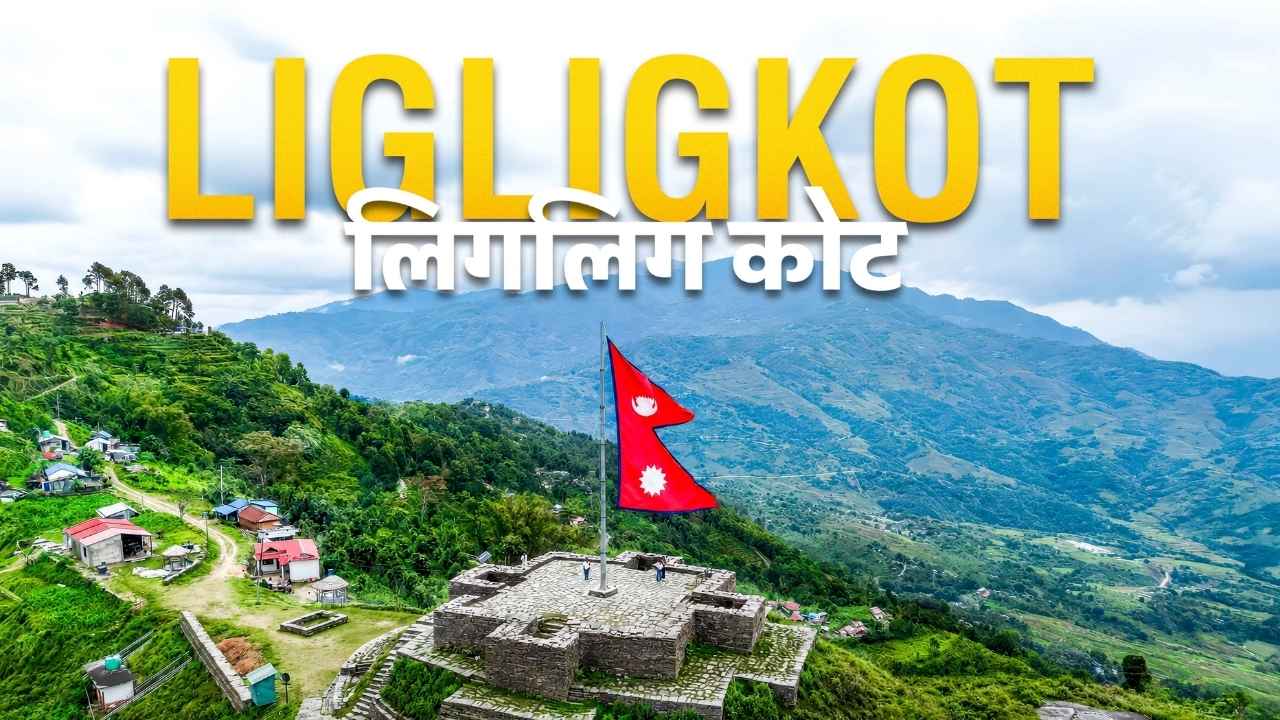
Long before Gorkha Durbar became the seat of the Shah kings, there was Liglig Kot, a hilltop fort with an unusual system of choosing its ruler. Instead of passing the throne by bloodline, Liglig Kot crowned its king through a footrace, held every year on the day of Tika during Dashain, from Chepeghat to Liglig. Whoever finished first became ruler for that year. Dalasur Ghale Magar, the last king of Liglig Kot, is said to have won this race twelve times in a row.
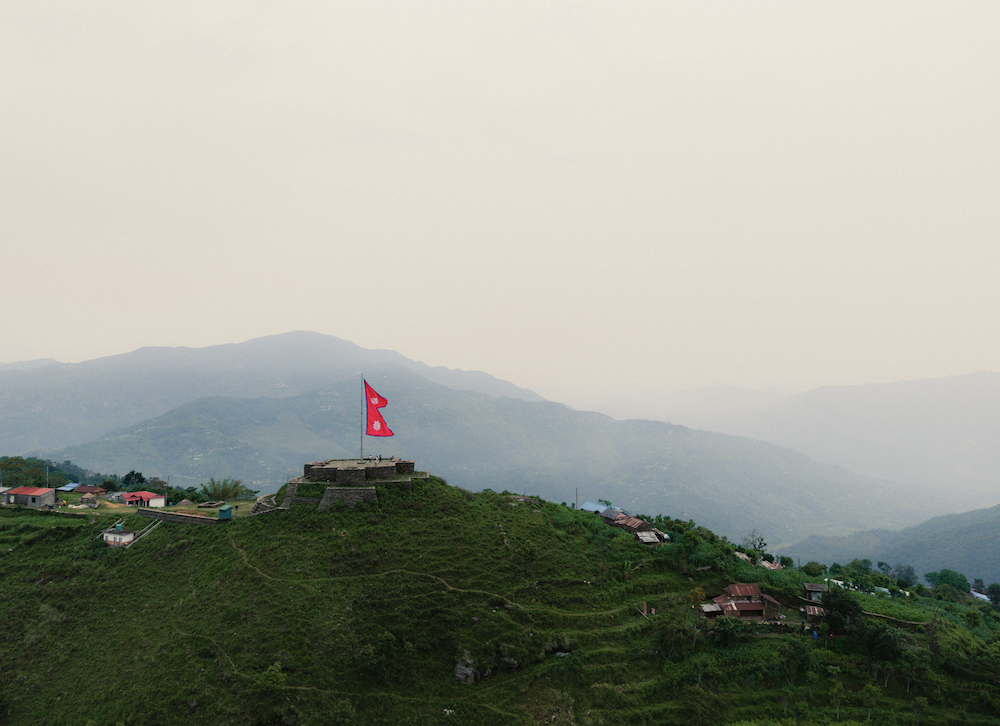
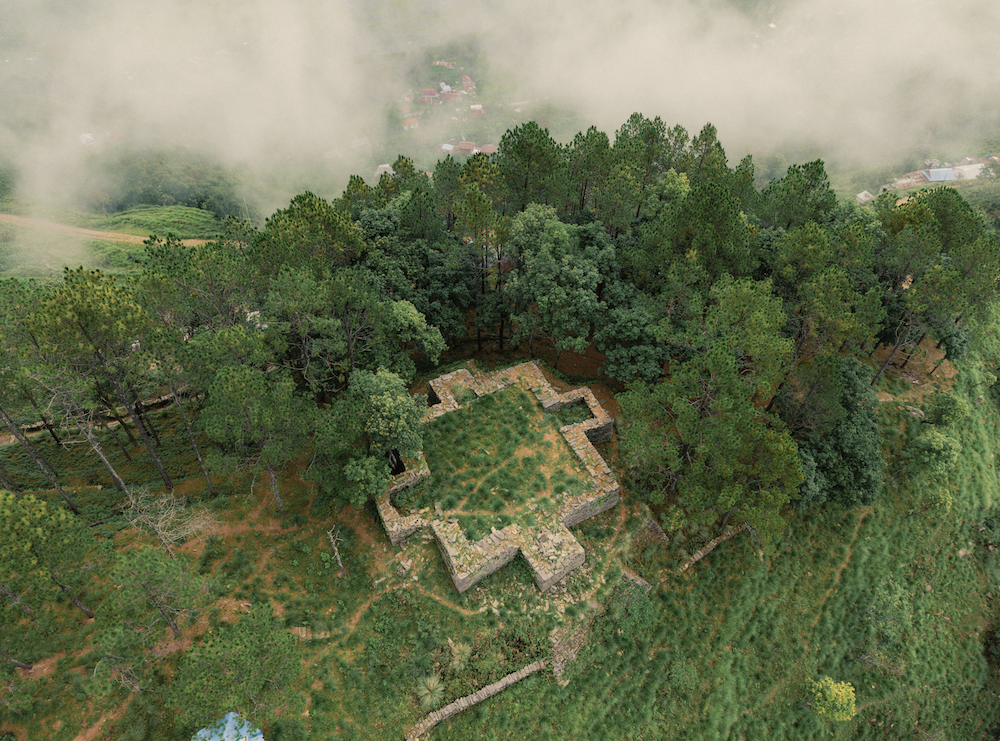
That tradition changed forever in 1616 BS, when Drabya Shah marched from Lamjung to capture Liglig Kot. According to local accounts, a disgruntled racer named Gangaram Rana Magar, upset after losing the annual race, guided Drabya Shah’s forces along the hidden routes of the fort. The attack succeeded, and with it, the Shah dynasty took root in Gorkha for the first time.
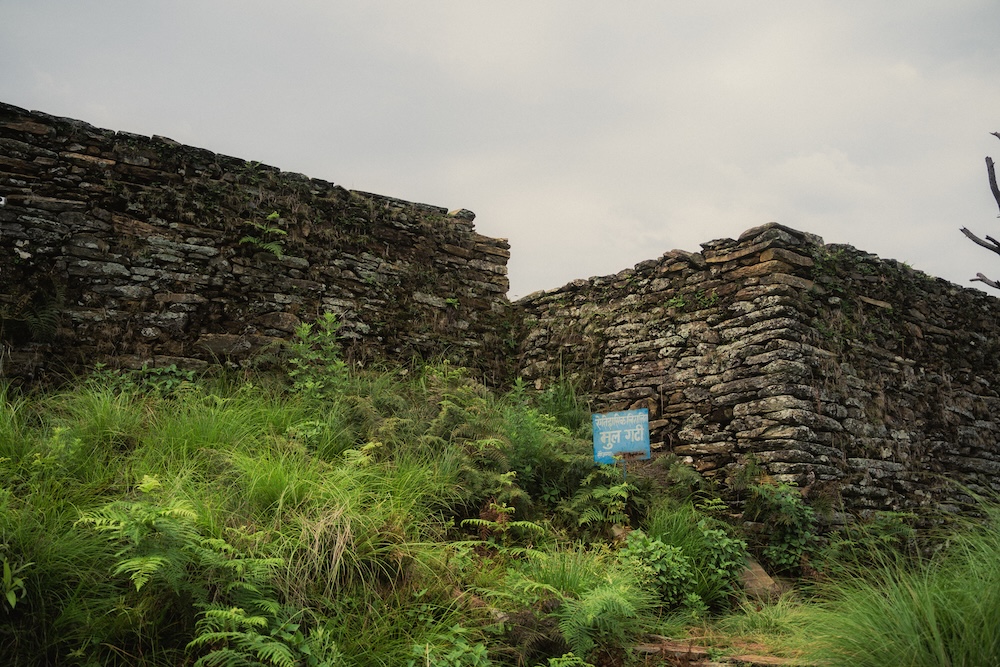
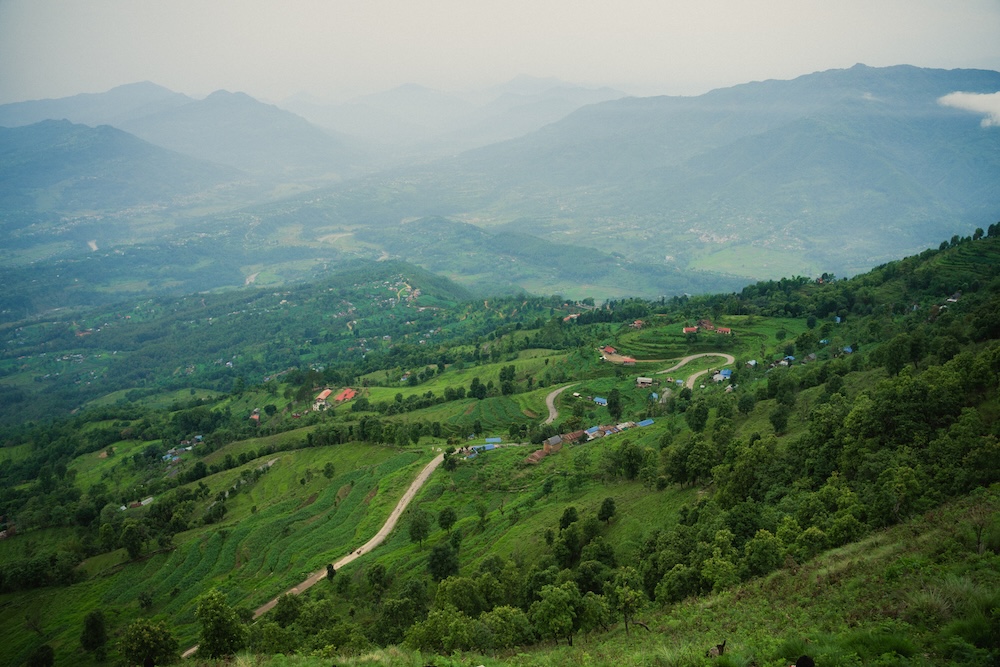
Today, Liglig Kot sits at an altitude of 1,437 meters, offering sweeping views over the Gandaki hills. The name itself comes from the Magar word “lingling,” meaning a clear, open view. Nearby stands the roofless Kalika Temple, built without a roof because of a local belief that the goddess Kalika requested it that way in a dream. The ruins of Drabya Shah’s early palace, built before he moved on to capture the upper fort, still remain here, quietly guarded by the local community. For anyone interested in the roots of Nepali nationalism, this hilltop is as important as any monument in Kathmandu.
Gorkha Durbar and the Rise of the Shah Dynasty
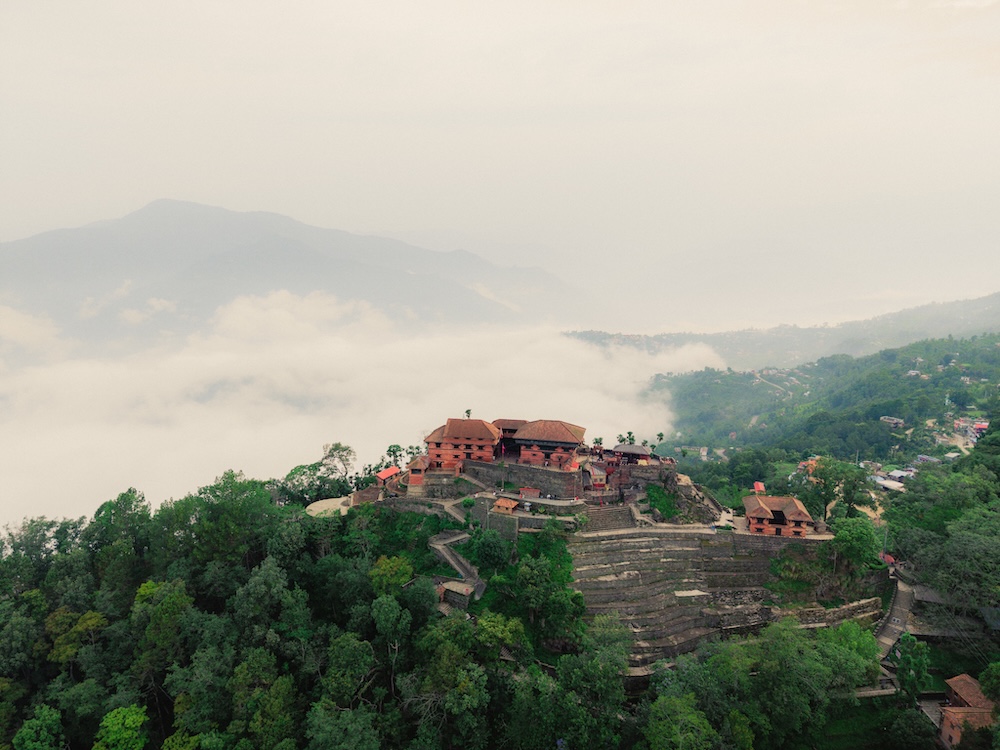
From Liglig Kot, the journey continues to Gorkha Bazaar, the district headquarters, and up to Gorkha Durbar, perched on a ridge above the town. This is the birthplace of Prithvi Narayan Shah, the king credited with unifying Nepal, and the palace from which eight generations of Shah rulers governed before him. Built during the reign of King Ram Shah, whose era gave rise to the saying “if you don’t get justice, go to Gorkha,” the durbar was damaged by the 2072 BS earthquake but has since been rebuilt in its original Malla-era architectural style. Nearby, the Talako Durbar, once a government office, now functions as the Gorkha Museum, displaying the weapons, utensils, and royal artifacts of the early Shah period. It is a must for anyone tracing the timeline of Nepal’s unification.
Dubung: Stepping Into Magar Culture
No journey through Gorkha’s history is complete without visiting a Magar village, and Dubung in Rhishing Rural Municipality, Tanahun, offers exactly that experience. The Magar community formed the backbone of the Gorkhali army during the unification campaigns, and Prithvi Narayan Shah’s trust in Magar soldiers is often cited as one of the reasons behind the legendary reputation of the “brave Gorkhali” around the world.
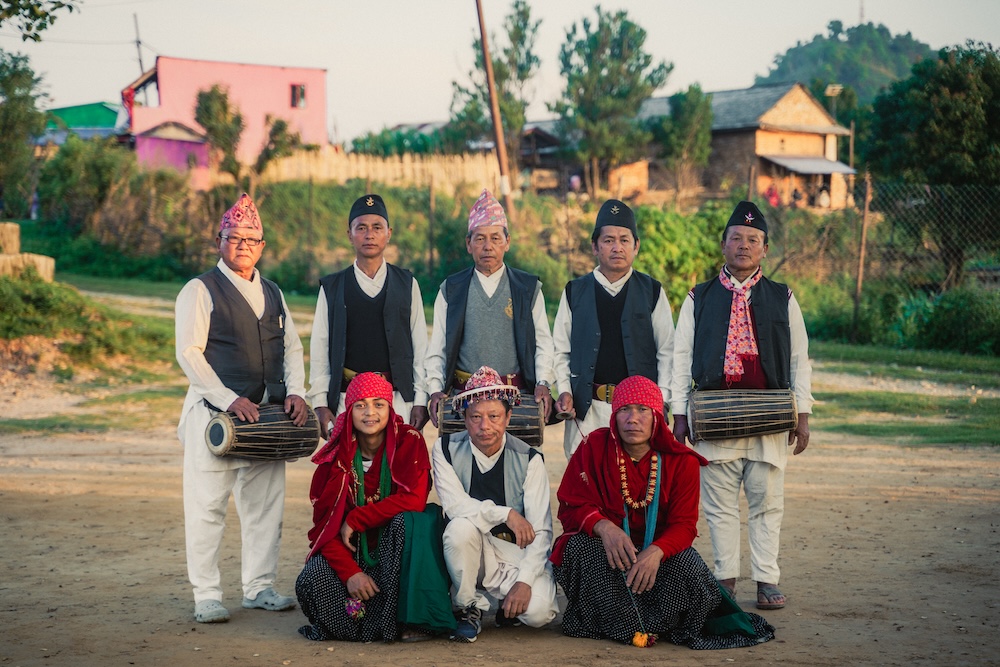
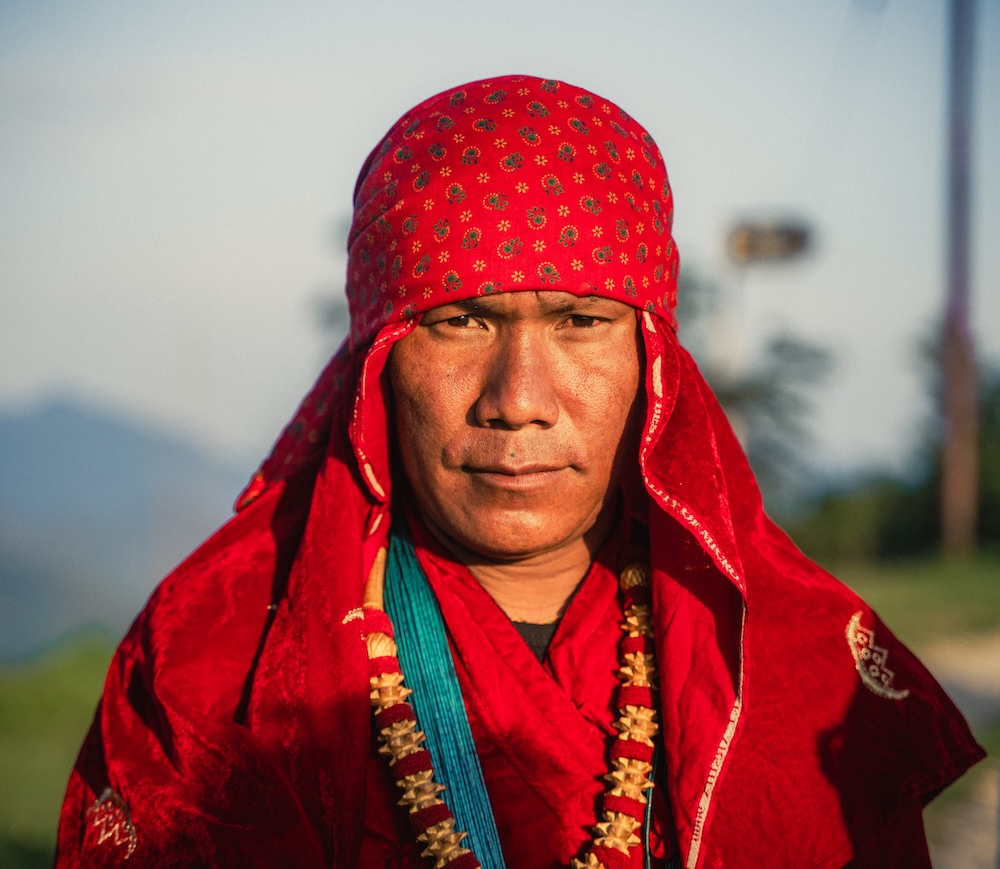
Dubung, whose name locally is said to mean “a place where many insects are scattered,” is a small settlement where community homestays, traditional Maruni dance, and the madal, the iconic Nepali drum credited to Magar tradition, are all still part of daily life. Visitors can hike up to Bhal-Thumke Danda, a nearby historical site with an old view tower and unusual rock formations said to resemble animals. The warmth of the welcome in Dubung, and the pride with which the Magar community preserves its customs, makes this one of the most rewarding stops for travelers interested in Nepal’s living heritage rather than just its monuments.
A Journey That Ends Where Nepal Began
By the time the road brings you back down from Dubung, something has quietly shifted. You came looking for a fort, a palace, a village, but what you found instead was the whole arc of a nation, folded into a handful of hills. Gorkha Durbar showed where that history found its throne, and how a small hill kingdom grew bold enough to imagine a unified Nepal. And Dubung showed that history is not only carved into palace walls. It is also carried in a madal beat, a Maruni dance, and the warmth with which a Magar village welcomes a stranger as if he were returning home.
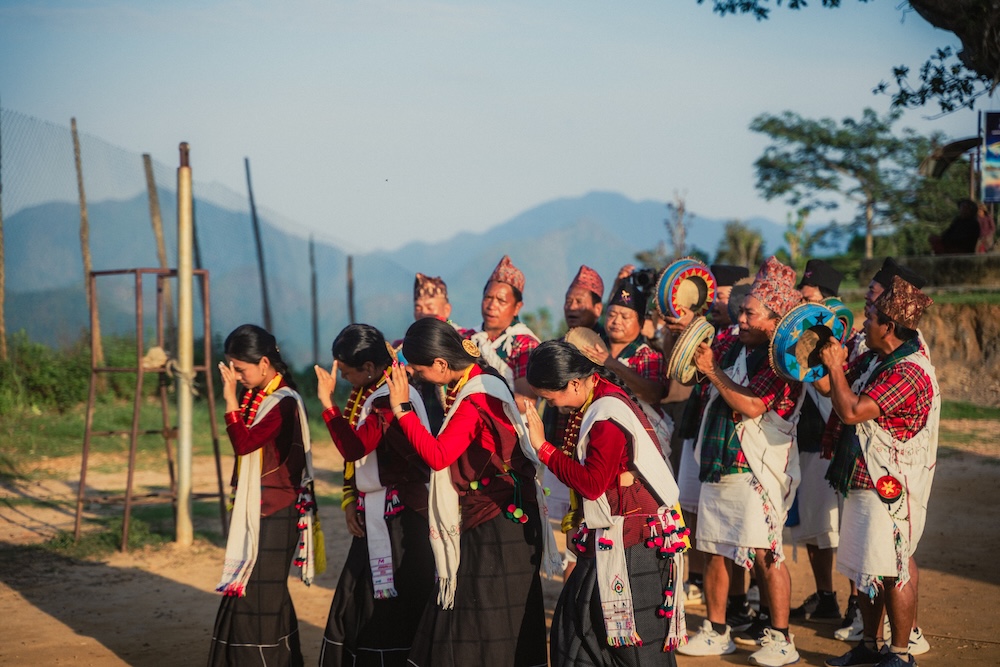
This is what makes the road to Gorkha different from an ordinary trip. It reminds you that the courage, unity, and quiet pride seen in these hills are still very much alive today, in the temples without roofs, in the ruins on a hilltop, and in the villages where the descendants of the Gorkhali army still gather around the fire to sing the same songs their ancestors once carried into battle. Visiting Grokha means walking, briefly, inside the story of how Nepal itself came to be.
Article By: Puspa Devkota
Photos: Team Nepal8thwonder

Comments are closed.