

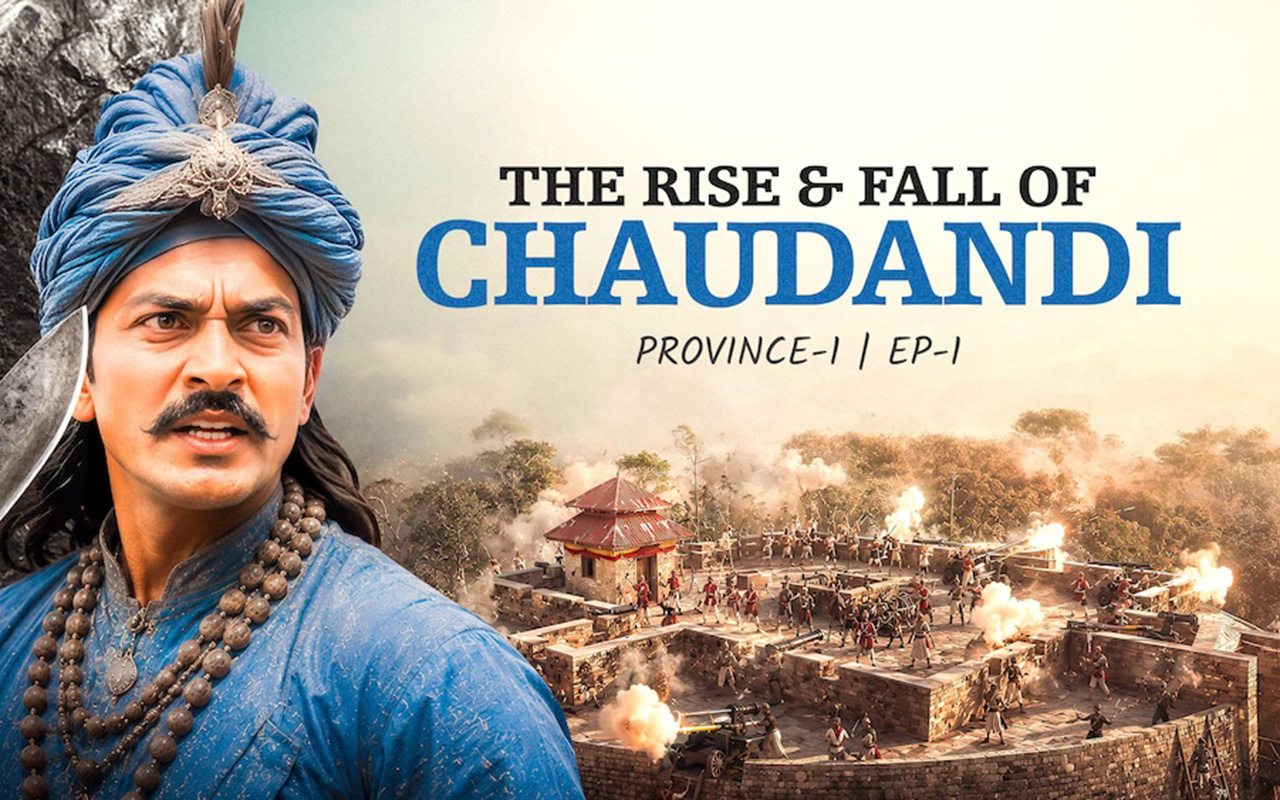
Between the 15th and 18th centuries, the Sen dynasty shaped the political landscape of eastern Nepal in ways that still echo in its geography and culture. Their three principal kingdoms, Makwanpur, Chaudandi, and Vijayapur, controlled the region through a combination of military strength and administrative wisdom that was genuinely ahead of its time.
Exactly where the Sen kings came from remains a matter of debate. Historian Dr. Navraj Subba notes two competing views: that they arrived from Bengal, or that they were indigenous Kshatriya rulers who rose locally. What is less contested is the nature of their rule. In a region where Kirati communities had long held the land and its rhythms, the Sen kings chose cooperation over conquest. Kiratis served in administrative roles within the kingdom, and the two communities governed together.
The decentralisation practised by the Sen kings in the 15th century would not formally return to Nepal until the Constitution of 2072 BS.
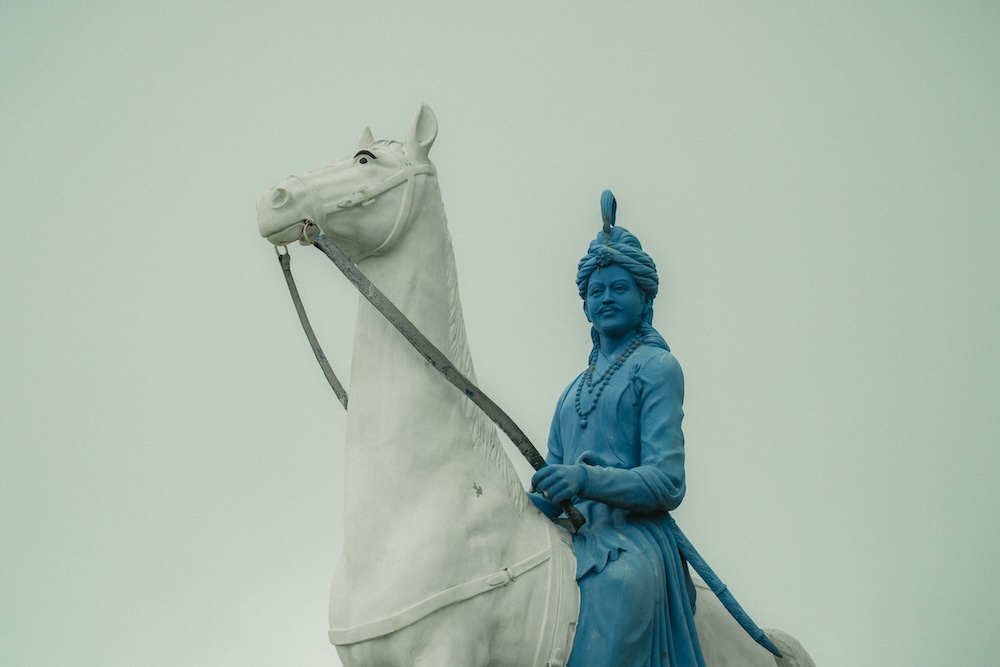
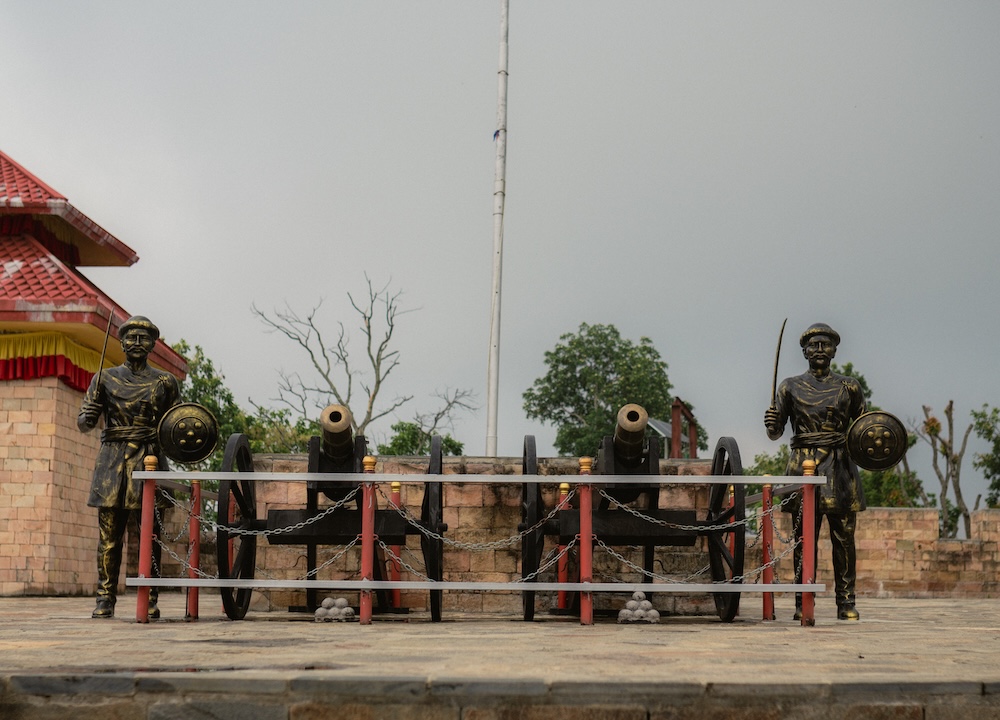
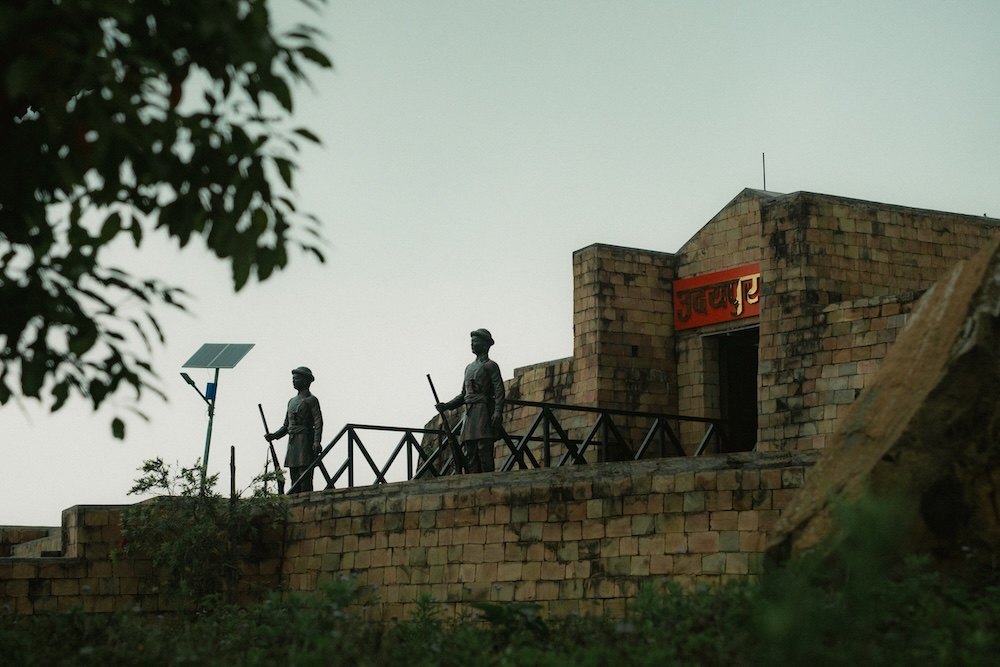
When Mahipati Sen, ruling from Makwanpur, sent his nephew Jagat Sen eastward to extend the kingdom into Kirati territory, the result was the Chaudandi Kingdom, a powerful semi-independent state with its own forts, administration, and identity. Its capital was Chaudandi Gadhi, while its western frontier was guarded by a second fort, Udayapur Gadhi.
Udayapur Gadhi: The Subsidiary Fort
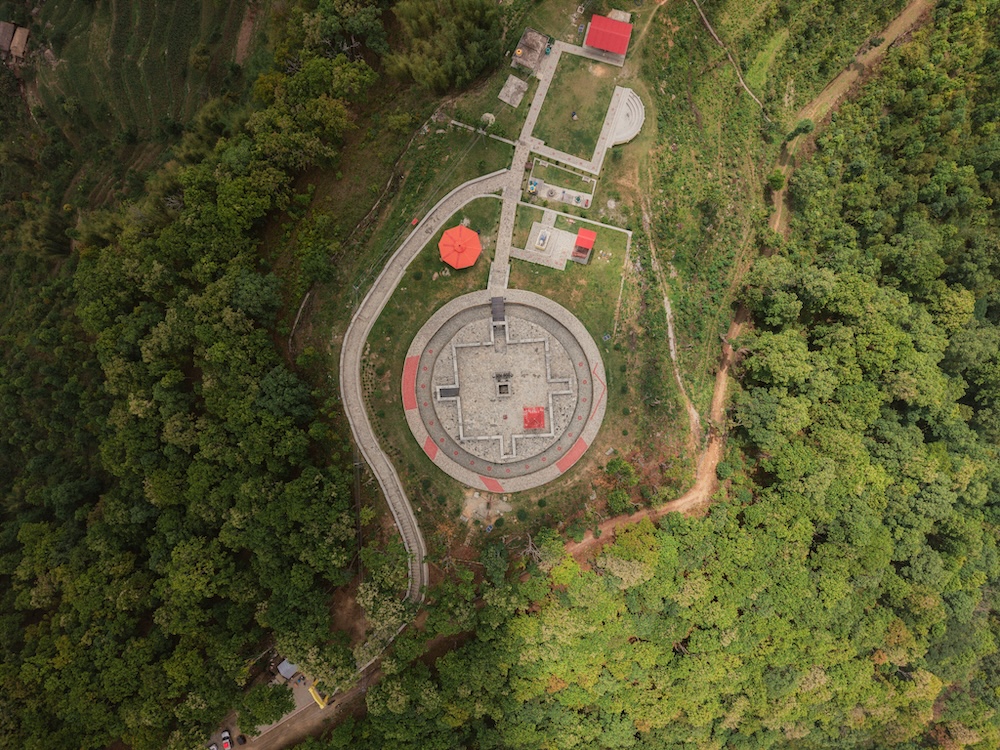
Udayapur Gadhi sits at 1,390 metres above sea level, its walls wrapping around a hill that commands the surrounding valleys. The fort functioned as the autonomous western arm of the Chaudandi Kingdom. The Sen rulers governed through decentralised administrative centres, and Udayapur was one of them.
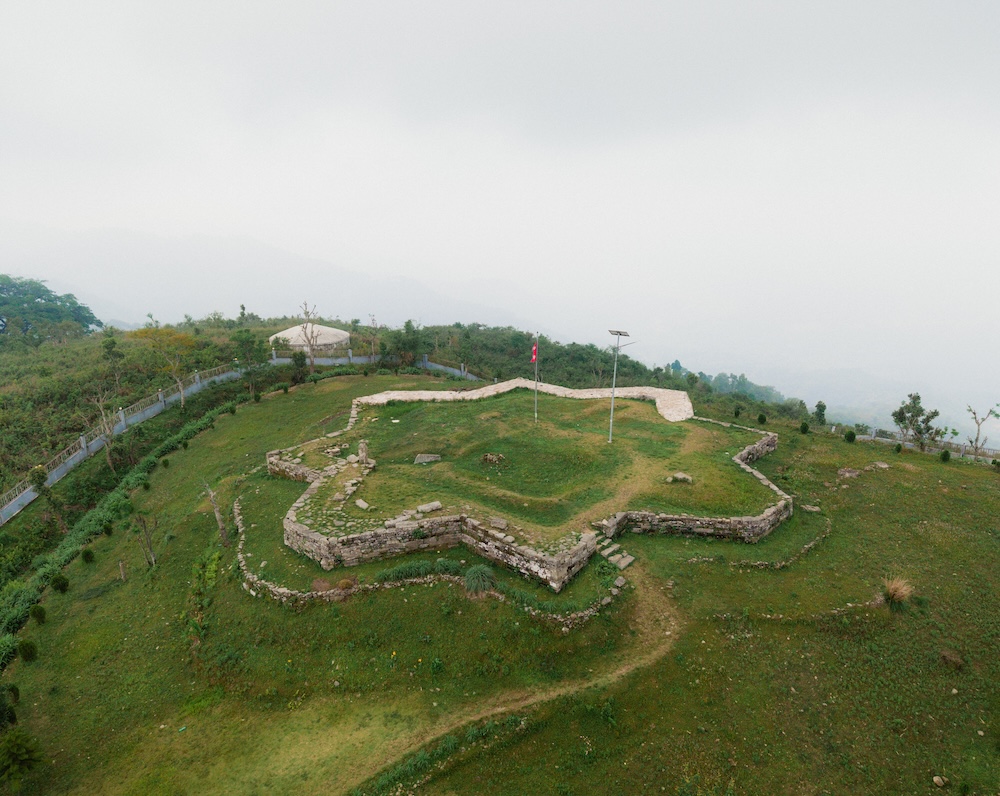
Its structure is octagonal, following the prescriptions of Vastu Shastra for a fort of this kind. The outer wall is six feet thick, while the inner wall rises to fourteen feet. A circular bunker measuring 130 metres in diameter completes the defensive complex. A moat once surrounded the fort, and a recently restored iron bridge now reconnects it to the main gate, approximating the original design.
Who first built the fort remains unclear. Many associate its name with a Sen king called Udaychandra Sen, but historian Kaushal Chemjong notes in his book on the history of Udayapur that no king named Udaya appears in the records of those who ruled the region. The fort may predate the Sen period altogether. Some scholars attribute its foundations to Kirati rulers and suggest that the Sen kings later modified and expanded it.
About a kilometre downhill lies Panchavati Mai, where traces of another fort can still be found, although most of it has disappeared. In recent years, Udayapur Gadhi has received meaningful conservation support from local authorities, the Ministry of Tourism, and surrounding communities. Restoration efforts remain ongoing.
Chaudandi Gadhi: Capital of a Kingdom
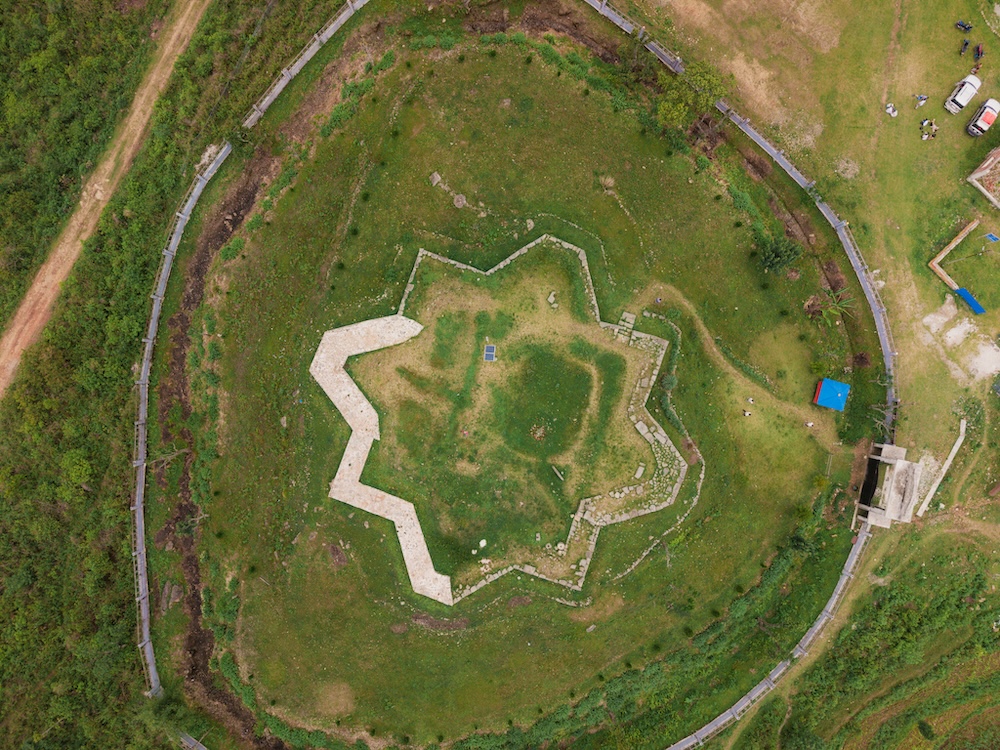
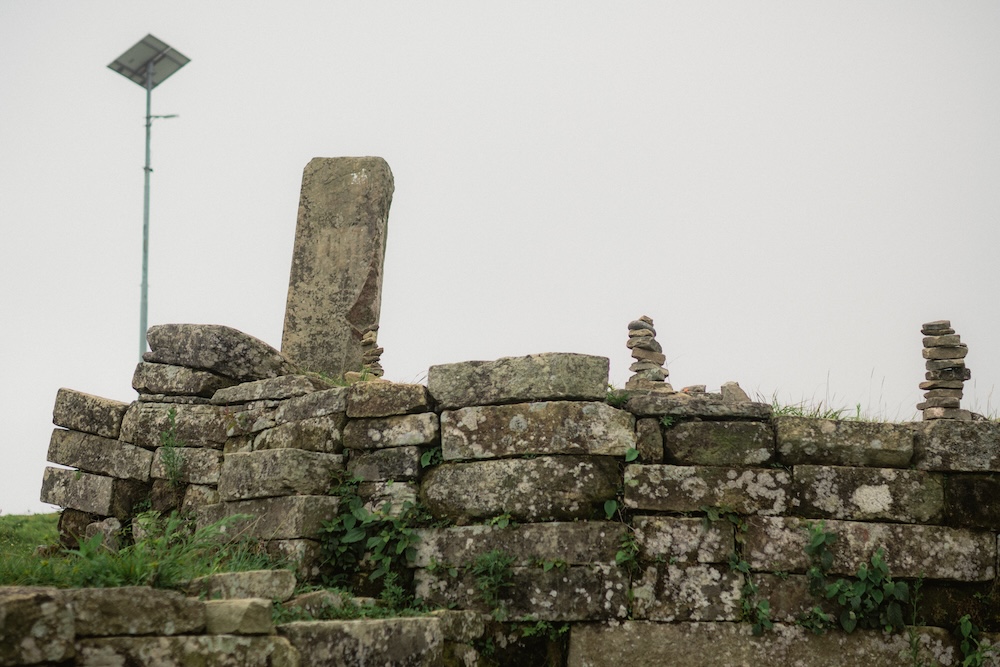
Chaudandi Gadhi stands at an elevation of around 915 metres, overlooking the Inner Terai plains to the south. Its walls rise seven feet high, and the fort measures 31 metres in diameter. Like Udayapur Gadhi, it follows an octagonal design. Archaeological finds such as pulik and puwalo suggest that both forts were constructed during roughly the same period.
The fort once contained a drinking-water well in the northeast and a large parade ground in the southwest. Defensive ditches and guard posts, now largely in ruins, once encircled the structure. Its design closely mirrors that of Udayapur Gadhi, sharing the same octagonal geometry, moat system, and strategic use of elevation.
The Chaudandi Kingdom fell not through siege but through politics. During Prithvi Narayan Shah’s unification campaign, Gorkhali forces, aided by insiders within the kingdom, entered Chaudandi without any recorded armed resistance. The last Sen ruler, Karna Sen, fled first to Vijayapur and later to Sikkim. According to local tradition, an official named Harinanda Upadhyaya carried a lump of Chaudandi soil to Nuwakot Durbar as a symbolic gesture of surrender to Prithvi Narayan Shah. In BS 1887, the kingdom was formally absorbed into the expanding Gorkhali state.
Following annexation, the administrative centre shifted from Chaudandi Gadhi to Udayapur Gadhi. The former capital gradually slipped into obscurity, transforming from a seat of power into a quiet ruin.
Unlike Udayapur Gadhi, Chaudandi Gadhi has received relatively limited restoration attention. In recent years, the Nepal Army has commemorated National Unity Day through a five-day trek linking the two forts. Yet the ruins continue to erode, and the opportunity for meaningful conservation narrows with each passing season.
The Attack and The Defense
These gadhi served as defensive strongholds for the Sen rulers. After the region was annexed by Gorkha, they continued to play a strategic role, guarding the eastern frontier of Nepal. And when one thinks of eastern Nepal, another enduring symbol of Nepali pride comes to mind is the Khukuri. Wielded by the warriors who defended these gadhi, the Khukuri has grown far beyond a battlefield weapon to become a worldwide symbol of Nepali courage, resilience, and bravery. Hence, the hub of Khukuri Bhojpur lies some kilometers away from the Udayapur district of the same provience.
Taksar: The Mint That Became a Neighbourhood
Before Bhojpur was known by its current name, it was known as Taksar, literally “the place where coins are struck.” Nepal’s first royal mint was established here by King Girvan Yuddha Bikram Shah. With nearby districts supplying metal deposits, the location was well suited to metallurgical production. Between BS 1872 and 1887, Doli coins were minted here, giving Taksar a unique place in Nepal’s monetary history.
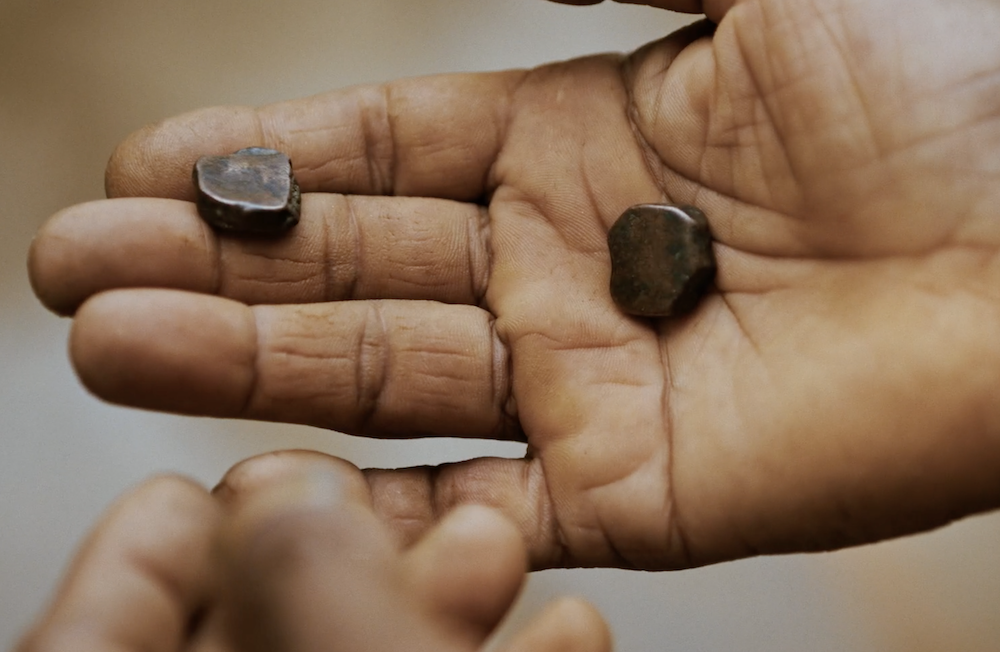
To operate the mint, skilled Newar metalworkers were brought from Patan. They brought with them not only technical expertise but also their religion, architecture, customs, and artistic traditions. Their influence remains visible today in the area’s stone dhunge dharas, Shakyamuni Vihar, Bhimsen Thaan, temples, and houses built in the architectural style of Patan. For this reason, Taksar is often referred to as Sano Patan.
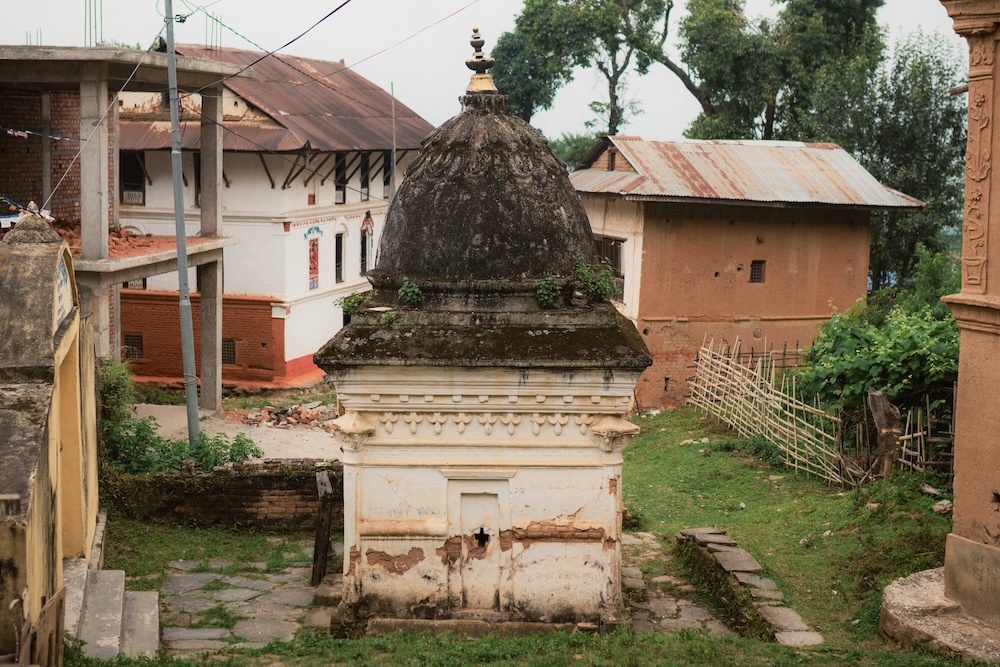
Today, Taksar feels like an open-air museum. A community that once numbered around 300 families has shrunk significantly through migration. Yet some craft lineages endure. Among them is Buddhiraj Shakya, born in 2017 BS, who continues to create intricately decorated brass vessels and utensils using techniques passed down through generations. His ancestors produced Doli coins. He produces brassware. The craft has changed, but the lineage remains.
The Khukuri: Forging an Identity
Bhojpur’s association with the khukuri begins in Taksar. Metalworking was already deeply embedded in local life through the minting tradition. As craftsmen began producing a wider range of tools and implements, the khukuri emerged as the most celebrated among them.
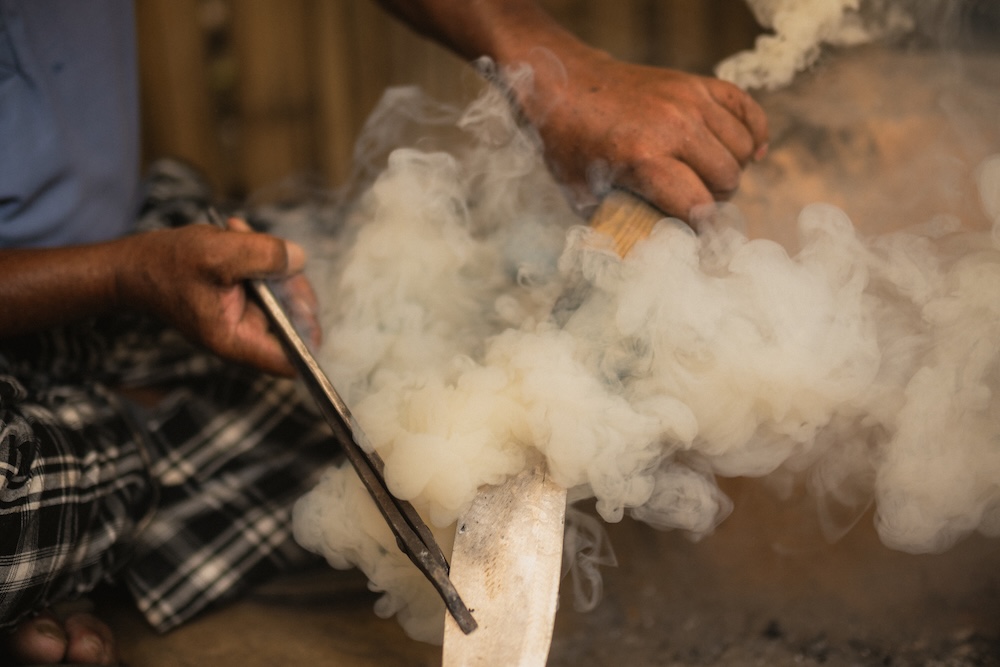
The craft gained national recognition when King Mahendra visited Bhojpur around 2013 BS. During the visit, local blacksmith Singha Bahadur Bishwakarma presented the king with a khukuri. Mahendra was deeply impressed and expressed his wish that Bhojpur develop as an industrial centre. That royal endorsement helped elevate the reputation of Bhojpur’s khukuri makers across Nepal.
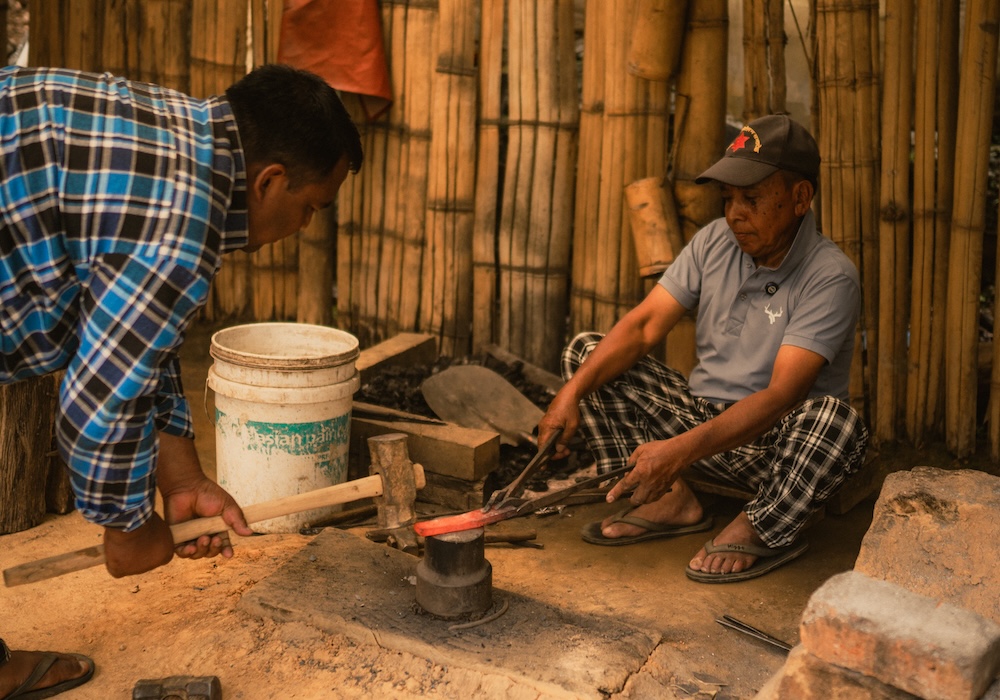
The process of making a traditional khukuri is meticulous and layered:
- Iron is heated in a forge until it reaches the correct temperature, judged by the colour of the metal.
- The heated iron is hammered into the khukuri’s distinctive curved form. Each strike sends sparks and fragments of red-hot metal into the air.
- At the base of the blade, craftsmen form a small notch known as the kaudi, often said to symbolise a cow’s hoof, an important sacred image in Nepali culture.
- The blade is sharpened and ground smooth, removing the rough surface left by forging.
- A wooden handle is crafted separately and fitted onto the tang in a process known as paro dhasne.
- Lacquer secures the handle, and decorative engravings are added to complete the finished piece.
Preserving an ancestral craft in the face of migration, cheaper imports, and growing indifference requires its own form of courage. It is not the courage associated with battlefields, but the quieter courage of returning to the forge every morning despite uncertainty.
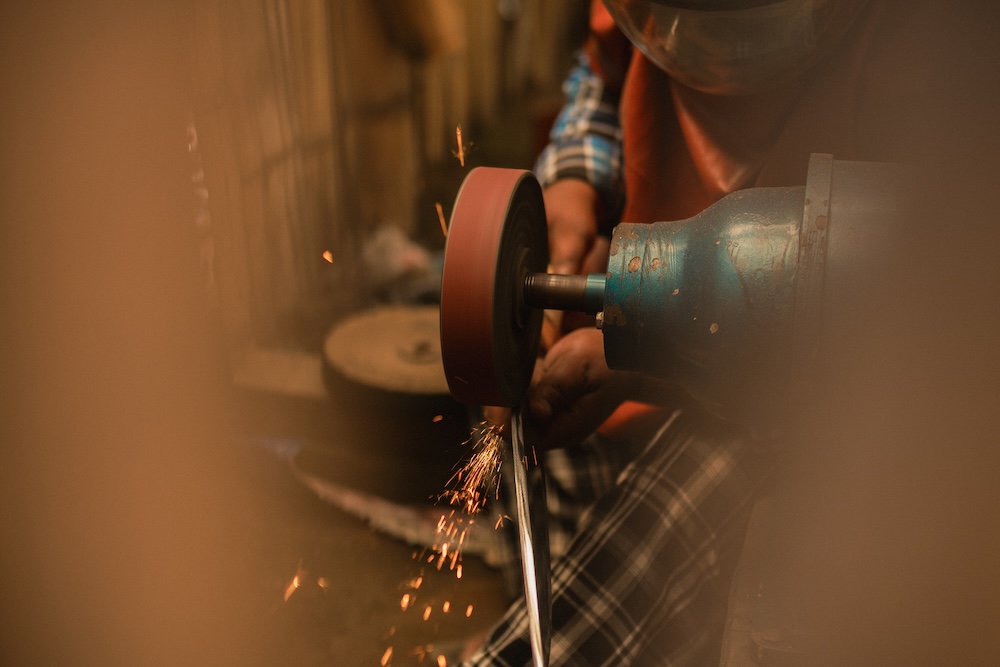
Traditional khukuris forged entirely by hand possess a character difficult to replicate. Their slight imperfections become part of their identity. Machines can reproduce the shape of a blade, but they cannot reproduce the intention behind every hammer strike.
Bottom Line
The forts of eastern Nepal do not announce themselves. They sit quietly on forested hillsides, their weathered walls preserving the outline of a kingdom that governed with remarkable sophistication. Taksar retains the memory of a royal mint in its streets, temples, and architecture. The forges of Bhojpur sustain a craft lineage that stretches from Patan’s coin-makers to a royal gift presented to King Mahendra and to workshops that still operate today.
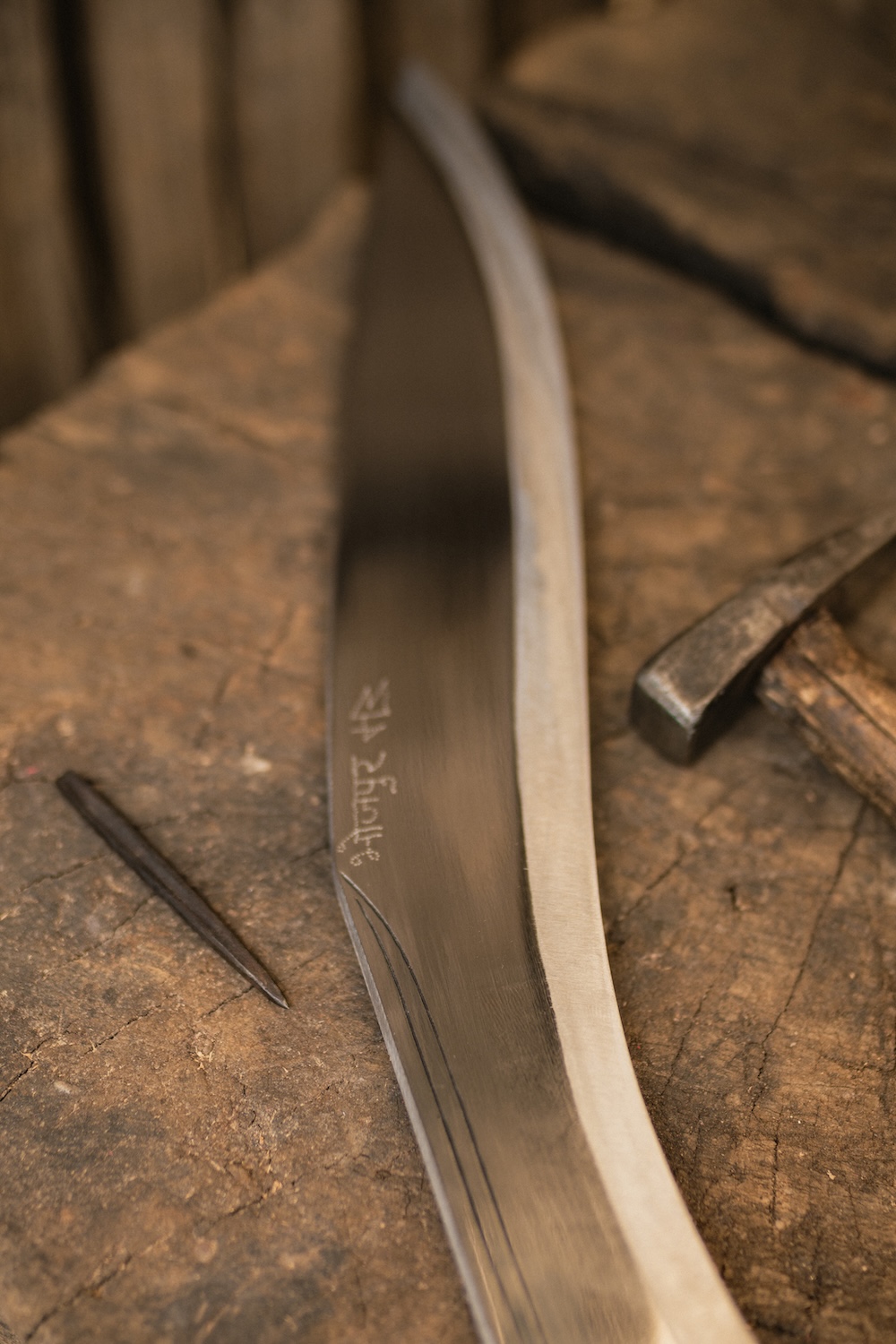
To appreciate these stories requires more than reading about them. It requires travelling there, walking among the ruins, listening to the craftsmen, and paying attention to the histories that survive in stone, metal, and memory.
Article By: Pushpa Devkota
Photos: Nepal8thwonder

Comments are closed.