

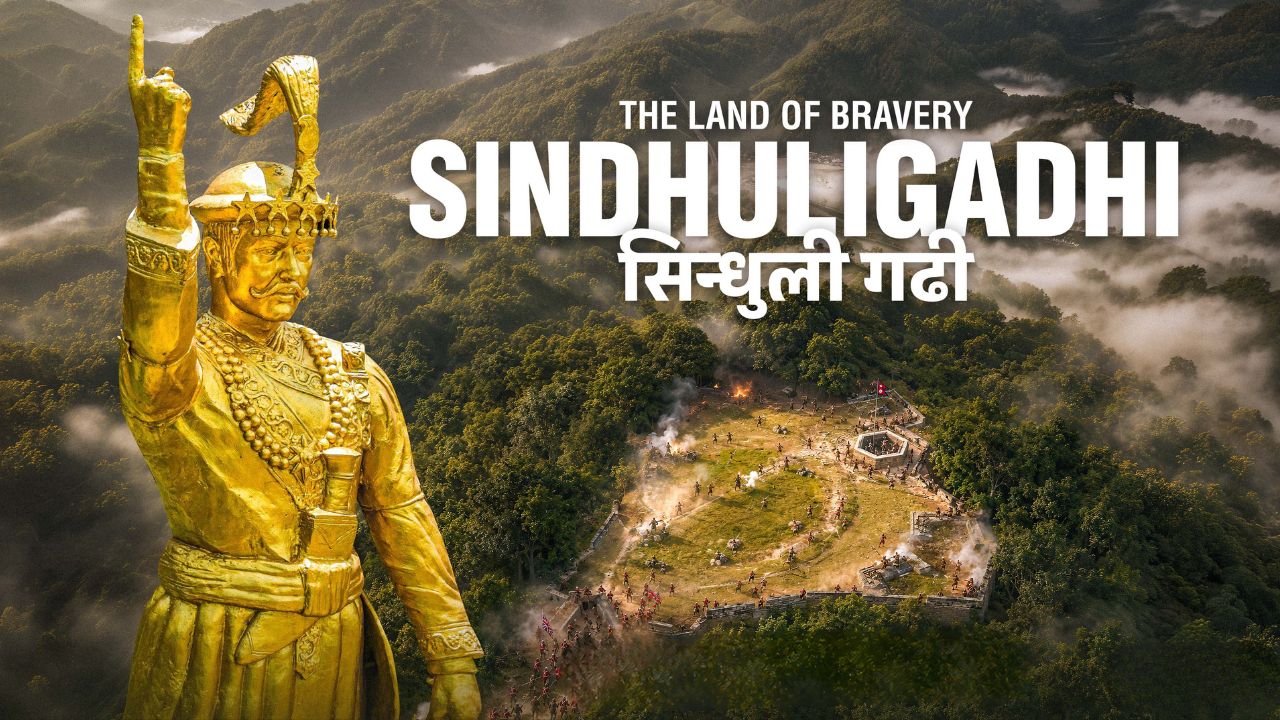
When people talk about Nepal’s history, Kathmandu, Gorkha, and the Himalayas usually get all the attention. But tucked into the hills of Bagmati Province is a fortress that played a decisive role in shaping the nation: Sindhuli Gadhi. It’s the site where the campaign to unify Nepal survived one of its earliest and most serious threats. Located in the Mahabharat Range at about 1,450 meters, Sindhuli Gadhi is where the Gorkhali army defeated forces sent by the British East India Company under Captain George Kinloch in the eighteenth century. That victory protected Prithvi Narayan Shah’s unification campaign and changed the course of Nepal’s history.
Why Bagmati Province Mattered
Bagmati Province has long been central to Nepal’s politics, culture, and economy, and Kathmandu remains its administrative hub today. That status grew out of geography and trade. For generations, traders and pilgrims moved between the Indian plains and the Kathmandu Valley through mountain passes near present-day Sindhuli, routes that also linked Kathmandu to Tibet. The valley’s prosperity depended on these trade corridors, which made controlling them strategically critical. Parts of the modern B.P. Highway still follow this historic route.
Sindhuli Before the Battle
Before it became known for military victory, Sindhuli Gadhi was part of the Makwanpur Kingdom, ruled by the Sen dynasty and known for its fertile land and control of key trade routes to Kathmandu.
Prithvi Narayan Shah recognized that his vision of a unified Nepal depended on controlling Makwanpur. After King Hemkarna Sen died, Gorkha conquered the kingdom in 1762, giving Prithvi Narayan Shah access to the eastern approaches of the Kathmandu Valley. This wasn’t just territorial expansion; it was a calculated move to surround the Malla kingdoms of Kathmandu, Patan, and Bhaktapur. Rather than attacking directly, he restricted the trade routes feeding Kathmandu, gradually squeezing the Malla rulers who depended on outside commerce.
The East India Company Steps In
Gorkha’s rise worried the Malla kings and the British East India Company alike. Kathmandu was a valuable trade gateway between India and Tibet, and the Company feared losing access to it if Prithvi Narayan Shah succeeded.
King Jaya Prakash Malla of Kantipur appealed to Bengal for military help. The East India Company agreed, and Governor Harry Verelst sent Captain George Kinloch with more than two thousand soldiers to march on Kathmandu and stop Gorkha’s expansion. Had Kinloch reached the valley, Nepal’s unification could have been delayed indefinitely, or failed altogether.
The Battle of Sindhuli Gadhi
The Company’s forces planned to advance through Sindhuli, expecting it to offer easy passage to the valley. Instead they met a Gorkhali force that knew the terrain and understood exactly what was at stake.
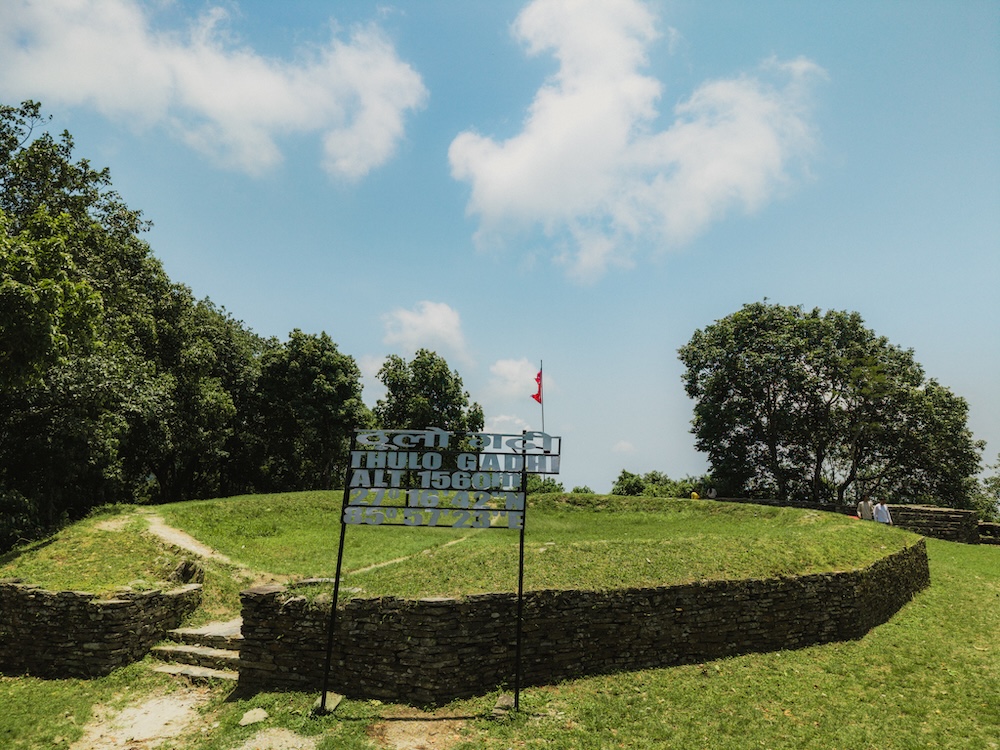
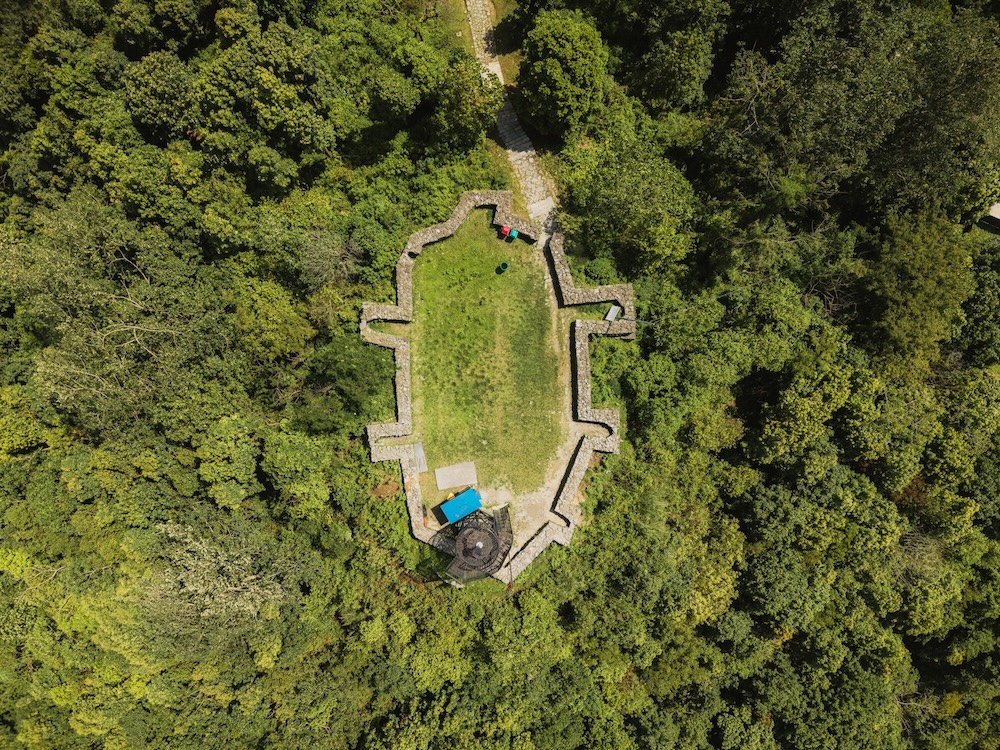
Sindhuli Gadhi wasn’t one fortress but a defensive complex made up of Sano Gadhi, Thulo Gadhi, and Pauwa Gadhi, positioned to watch multiple approaches at once. Sano Gadhi served as the forward line, and its walls still show the openings Gorkhali soldiers once fired through.
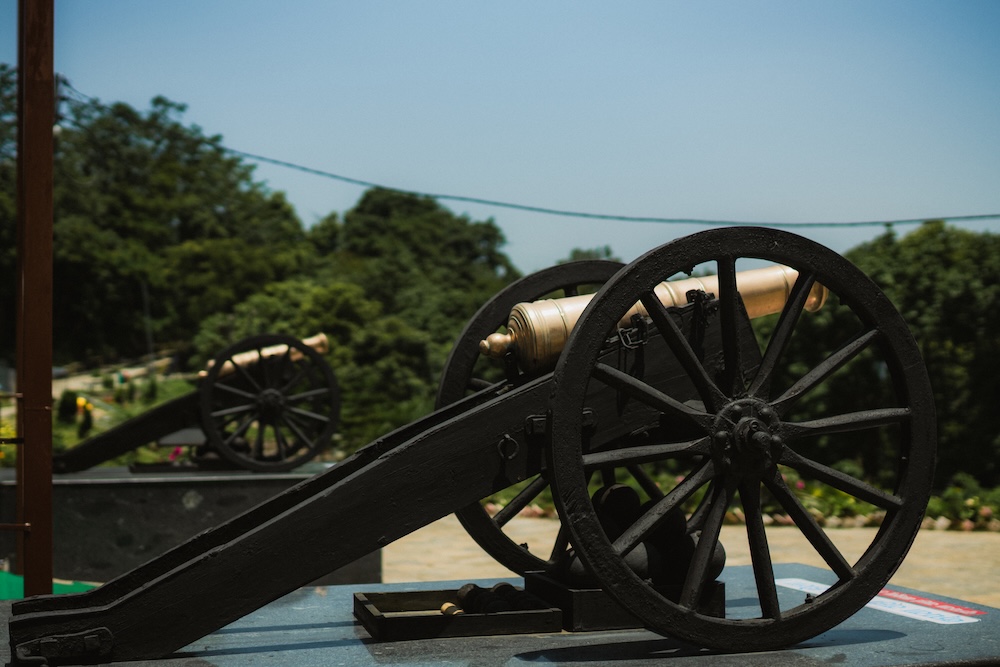
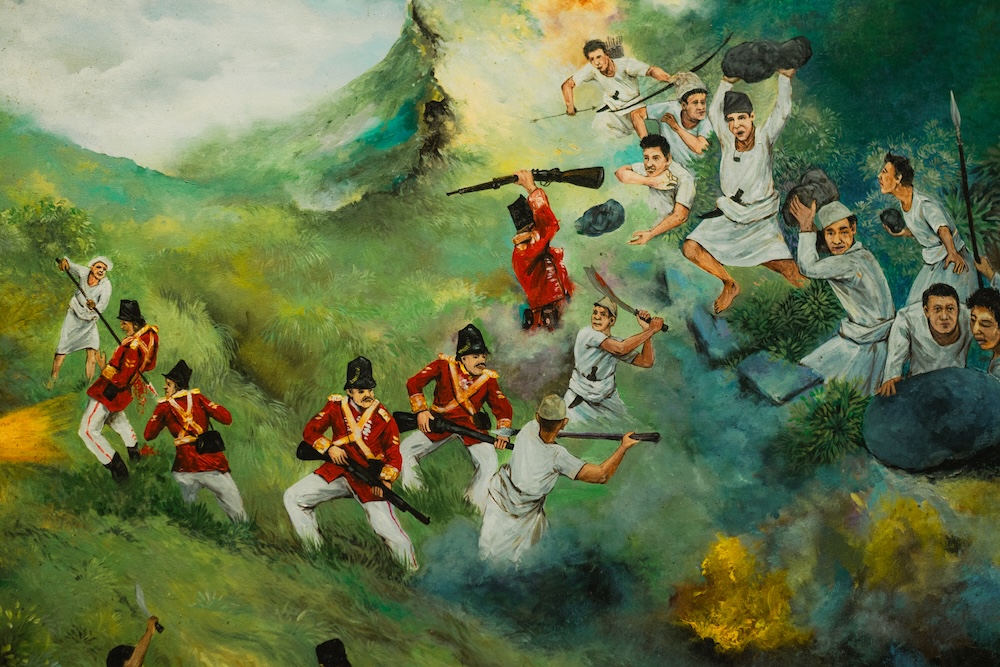
The defense was led by commanders including Kaji Shree Harsha Panta, Kaji Bansharaj Pandey, Bansu Gurung, and Birbhadra Upadhyaya, joined by local villagers fighting with traditional weapons alongside the army. One of the most retold details from the battle is that Gorkhali defenders threw hornets’ nests at the advancing British troops, causing chaos in their ranks. Kinloch is said to have noted the incident in his own diary.
On Ashoj 15, 1824 B.S., the Gorkhalis won a decisive victory. The Company’s expedition never reached Kathmandu, and Prithvi Narayan Shah’s unification campaign survived one of its biggest external threats. The win showed that knowledge of the terrain and determined resistance could beat a larger, better-equipped force.
Sindhuli Gadhi Today
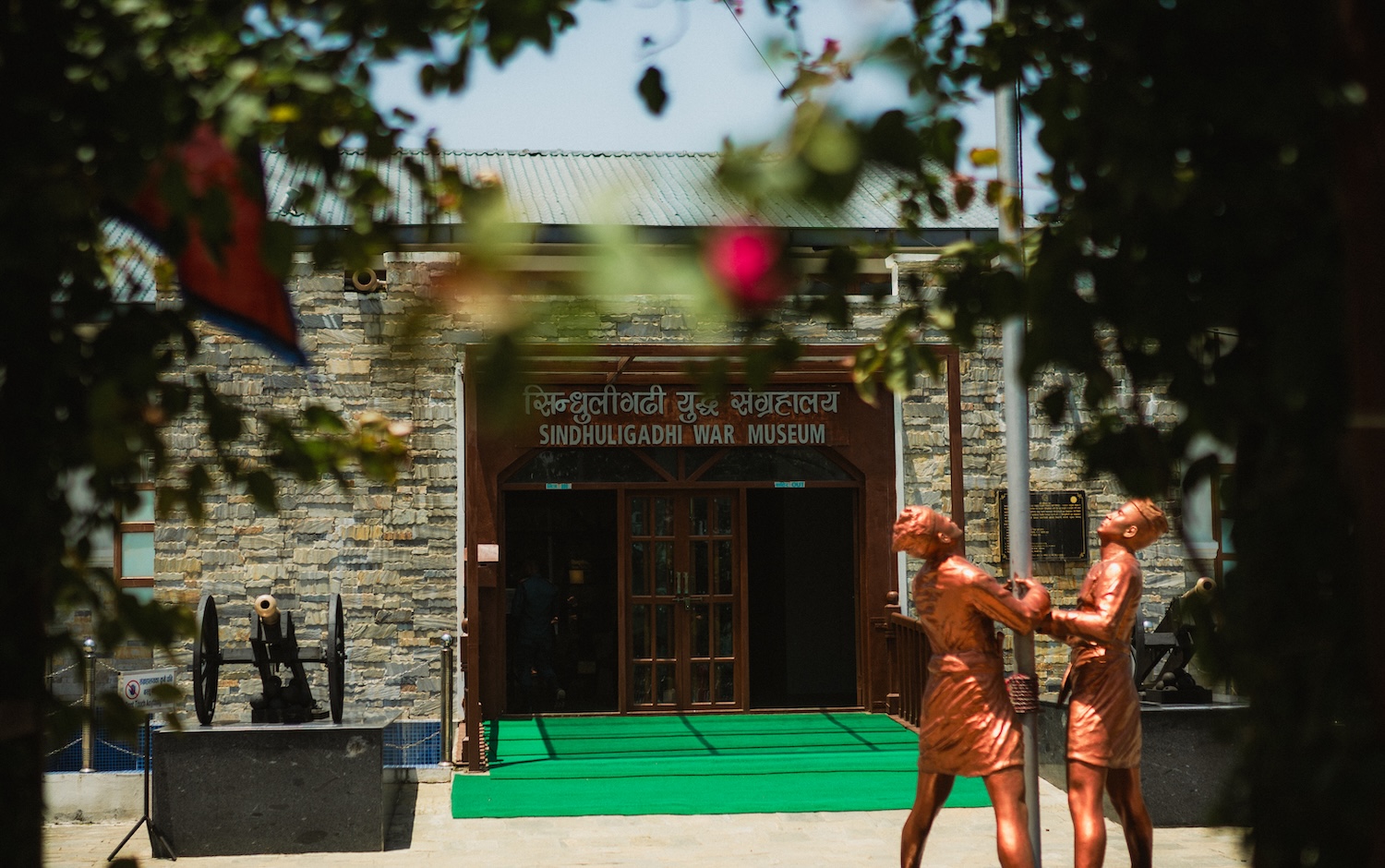
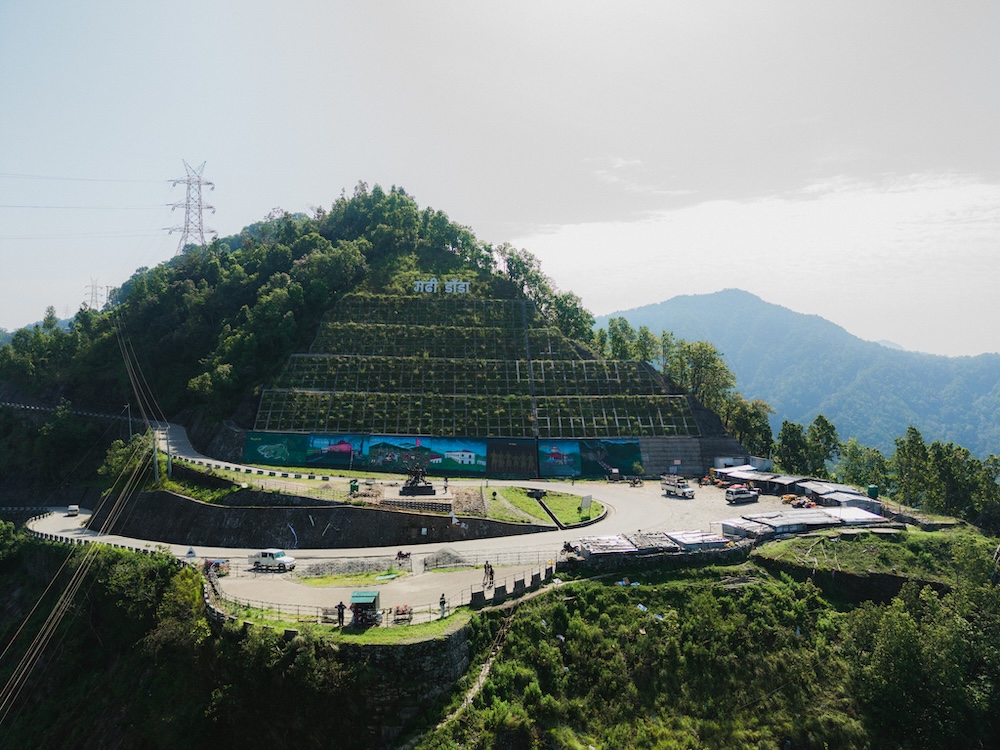
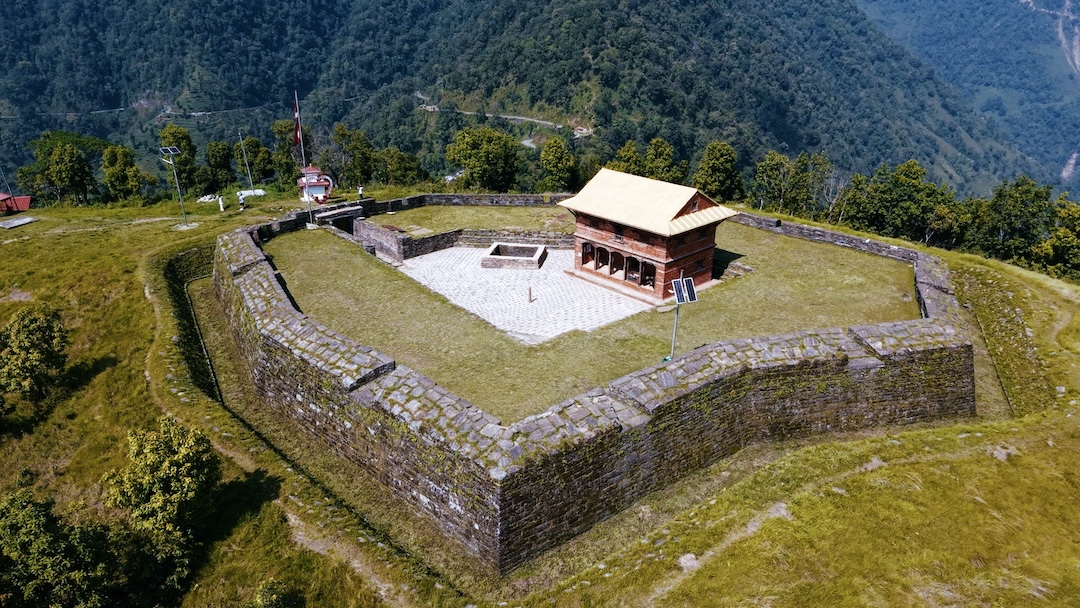
The fort still preserves real traces of that history. Thulo Gadhi, the main fortification from the Sen period, was originally built to monitor trade and collect taxes before becoming a key defensive position during unification. Its stone walls, some nearly ten feet high, still stand, along with the remains of water wells and security posts.
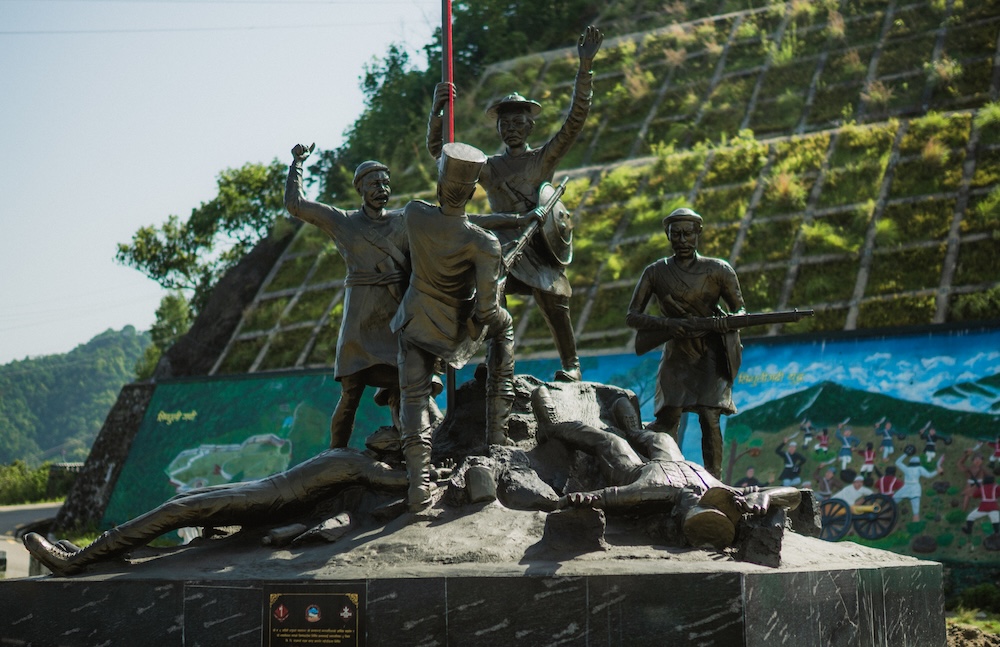
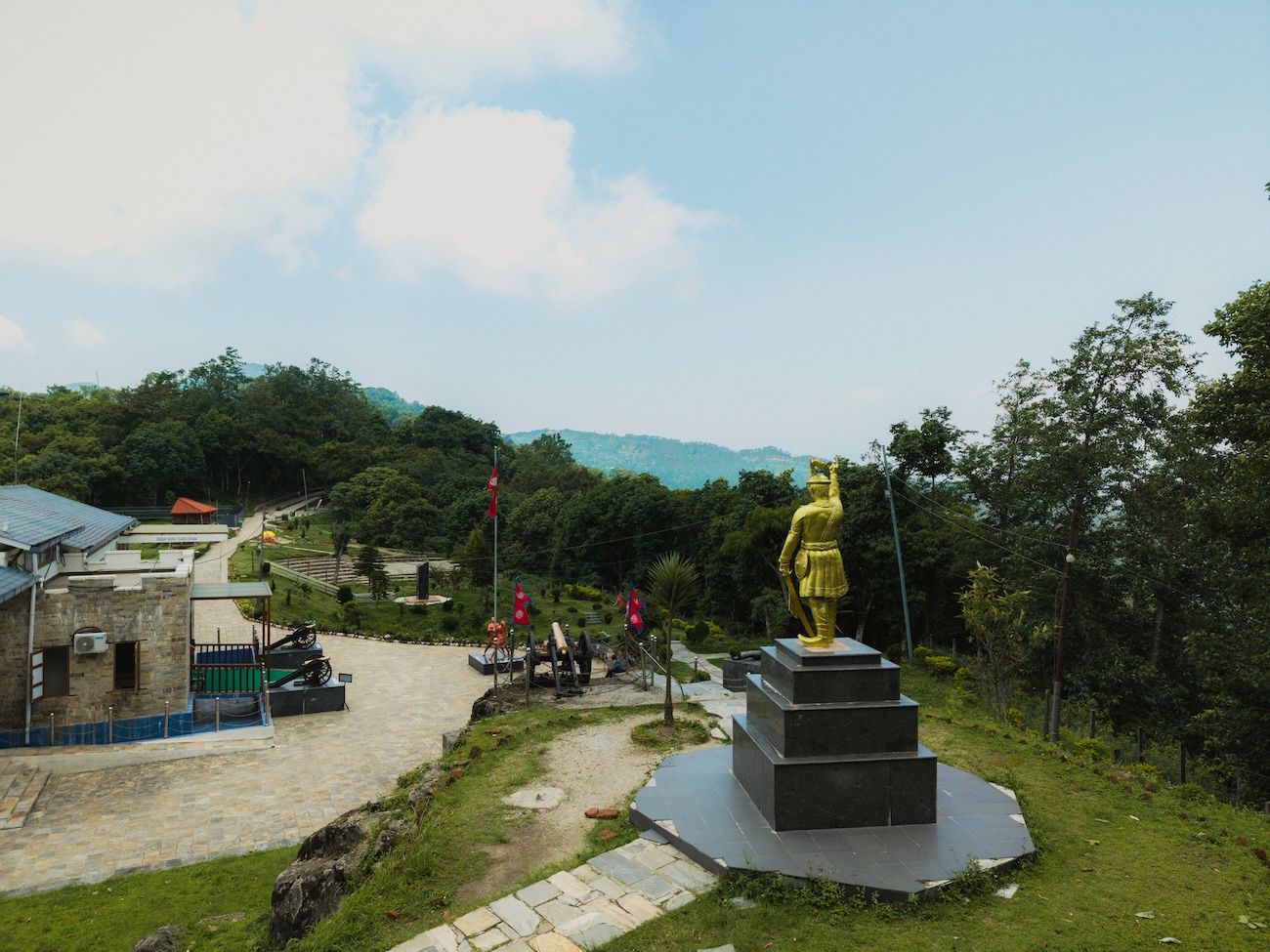
Rani Durbar, a historic palace within the complex, has been restored after years of neglect. Before 1964 it served as the region’s administrative center, before offices moved to Sindhulimadi. It’s a reminder that Sindhuli Gadhi was a center of governance as well as a battlefield. The Nepal Army has helped install statues, paintings, and memorials at the site honoring the soldiers who fought there.
Upardang Gadhi and the Wider Fort Network
Sindhuli Gadhi was part of a larger system of forts, or gadhis, that protected Nepal’s trade routes and frontiers. Upardang Gadhi in Chitwan District is one example, built in the eighteenth century by Shatru Bhanjan Shah, a grandson of Prithvi Narayan Shah. It served as district headquarters until 1961 and was built from mud, lime, and black lentils. Preservation efforts there now include museums and homestays aimed at cultural tourism.
Panauti: Gateway to the Valley
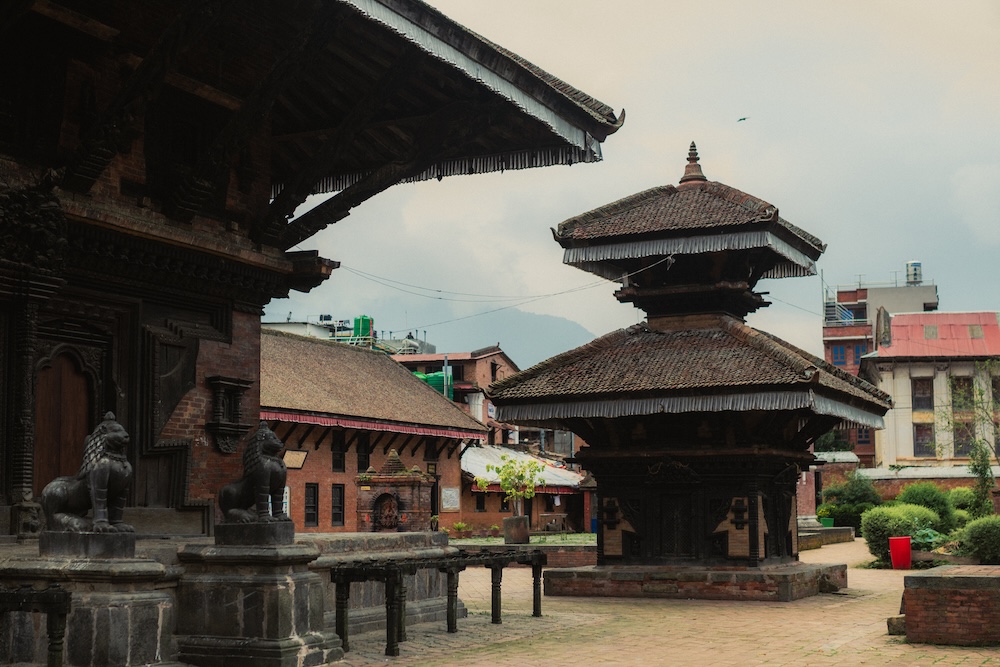
Bagmati’s history isn’t only about forts and battles. Panauti, in Kavrepalanchok District, is one of Nepal’s oldest and best-preserved towns, flourishing between the twelfth and fifteenth centuries under the Malla kings. Sitting at the entrance to the Kathmandu Valley, it became an important trading hub for merchants moving through Sindhuli toward Kathmandu and Tibet, and a center of Newar architecture and religious life, home to landmarks like the Indreshwar Mahadev Temple and the sacred Triveni Ghat.
Why Preservation Matters
Sites like Sindhuli Gadhi and Panauti are physical records of Nepal’s political history and cultural identity. As development spreads, protecting them takes on more urgency. Restoration work already underway, like the rebuilding of Rani Durbar, shows real progress, and continued investment could turn Sindhuli into a major historical tourism destination while preserving what makes it significant.
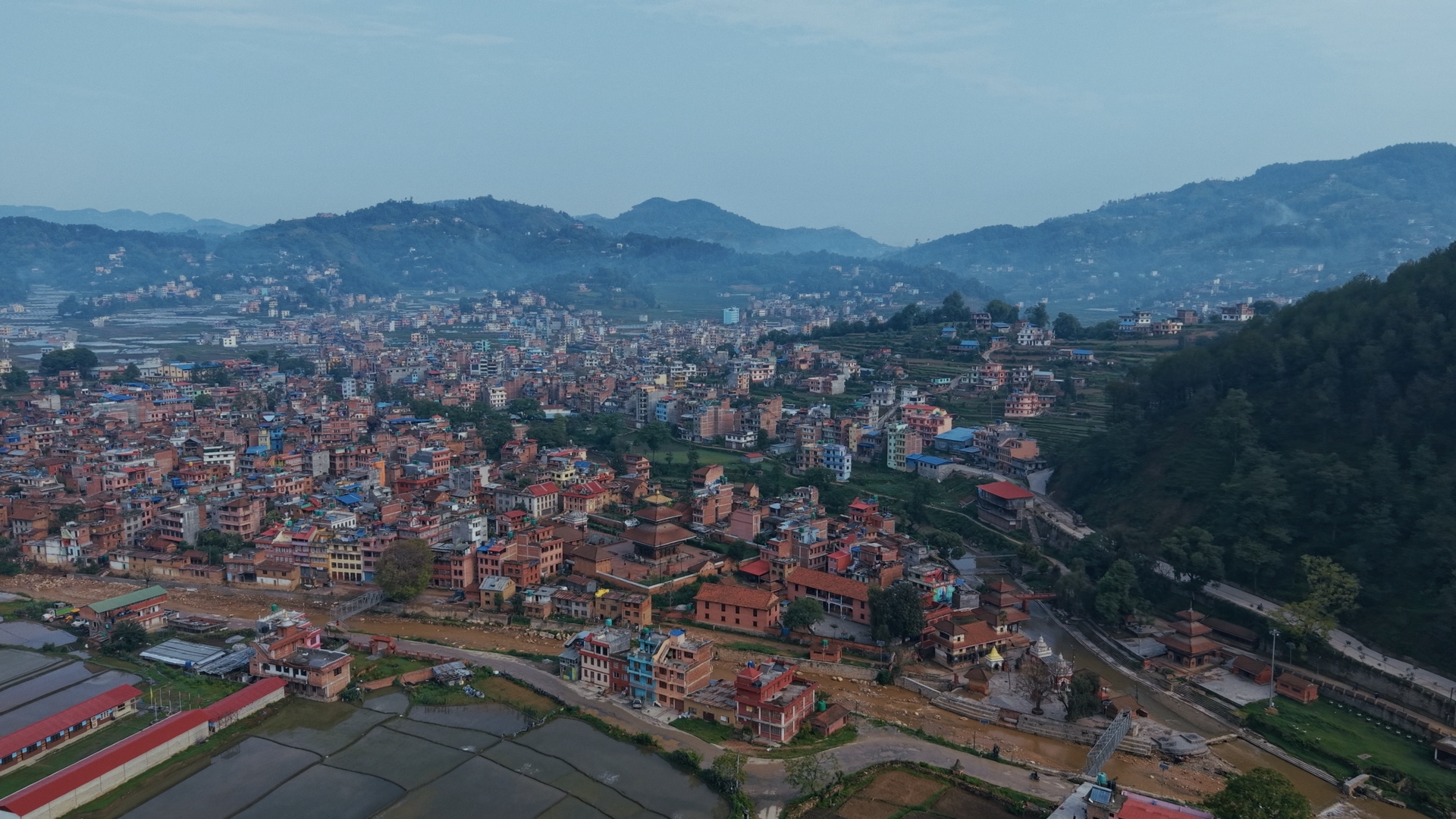
At Sindhuli Gadhi, Nepal’s unification survived a serious external threat because Gorkhali soldiers and local villagers stood together to defend it. Likewise, Panauti provided the gateway for trade to flourish in Kathmandu Valley. The walls might have weathered centuries of wind and rain, but they still carry that story of resilience, independence and pride.
Article: Puspa Devkota
Photos: Nepal8thwonder Team

Comments are closed.