

Nepal is a country rich in natural heritage, but it is the people and their cultures that colour it further. From the Himalayas to the hills, the land never stops adorning itself with culture. It is the harmony between the colours of nature and the colours of culture that paints a vibrant picture across Nepal.
Why Lumbini Province?
Language and culture have carried human civilization to where it stands today. Through language, we preserve ourselves. Through culture, we preserve our roots. Through history, we stay connected to our ground. A tree without roots is only a lifeless object, and a people without history is much the same.
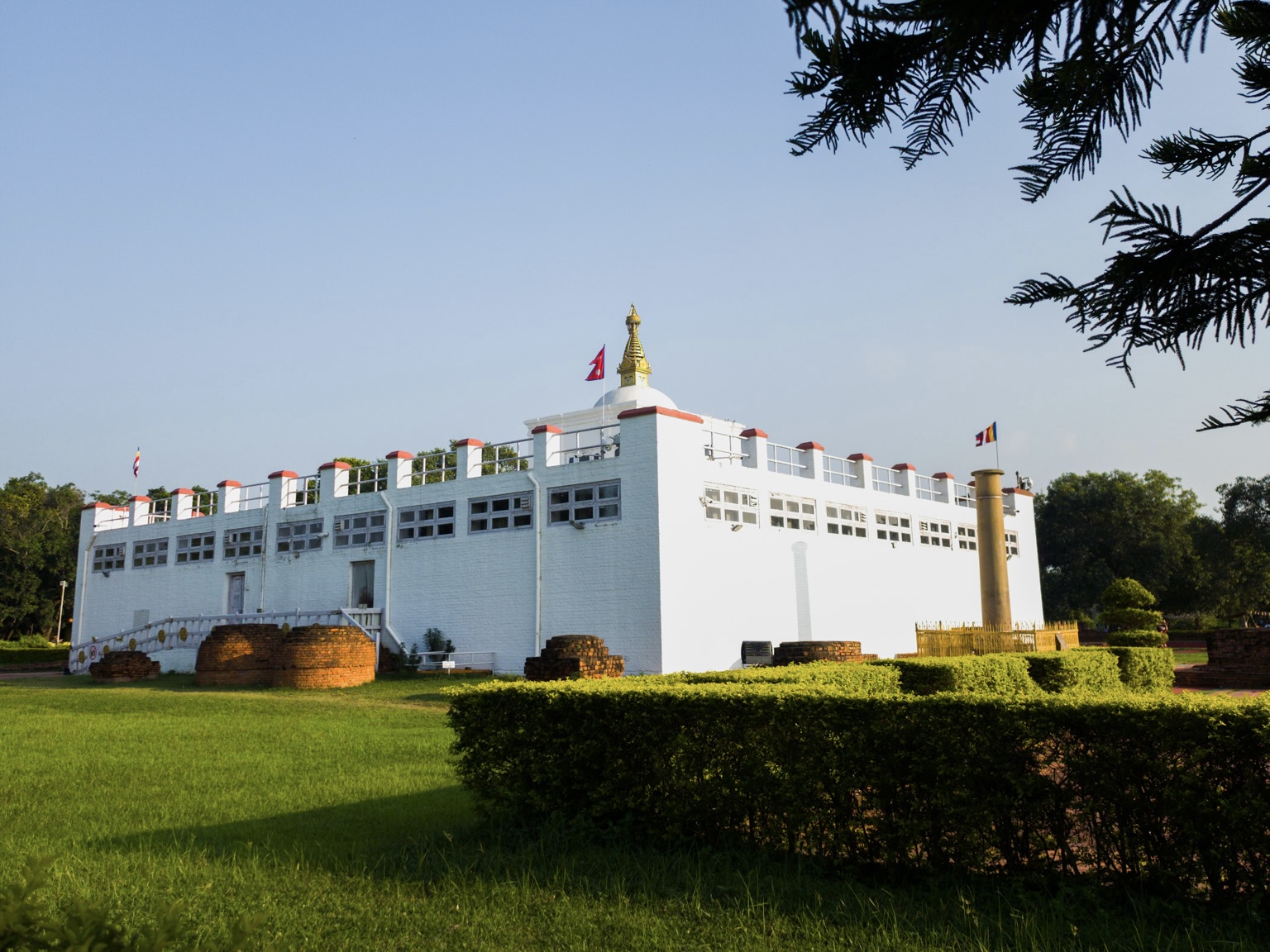
Lumbini Province holds all three. It is the birthplace of Lord Buddha, whose thoughts on suffering and coexistence awakened the whole world. It is also the place where Emperor Ashoka’s visit left its mark, where the Gorkhalis stood firm against the East India Company, and where the home of Dhaka fabric gave Nepalis’ caps a recognition across the world. It is a land caught up in praises of the Buddha, ballads of valor, and the patterns of Dhaka.
The Palpa Kingdom: A Prelude to Jitgadhi
To understand Jitgadhi, we must travel back to the age of the Baise and Chaubise states. Palpa was then a powerful Sen kingdom, and it was the last major state to come under Gorkha’s reach in the unification of Nepal.
Palpa’s friendship mattered. Through marital ties, the Gorkhalis found it far easier to expand westward, and Palpa even received Gulmi, Argha, and Khanchi as gifts for its help. But as the kingdom weakened under its last king, Prithvipal Sen, Gorkha saw an opportunity. Amar Singh Thapa was sent, and Palpa came under Nepal’s control without a single attack in 1861 BS.
Jitgadhi: The Fort That Earned Its Name
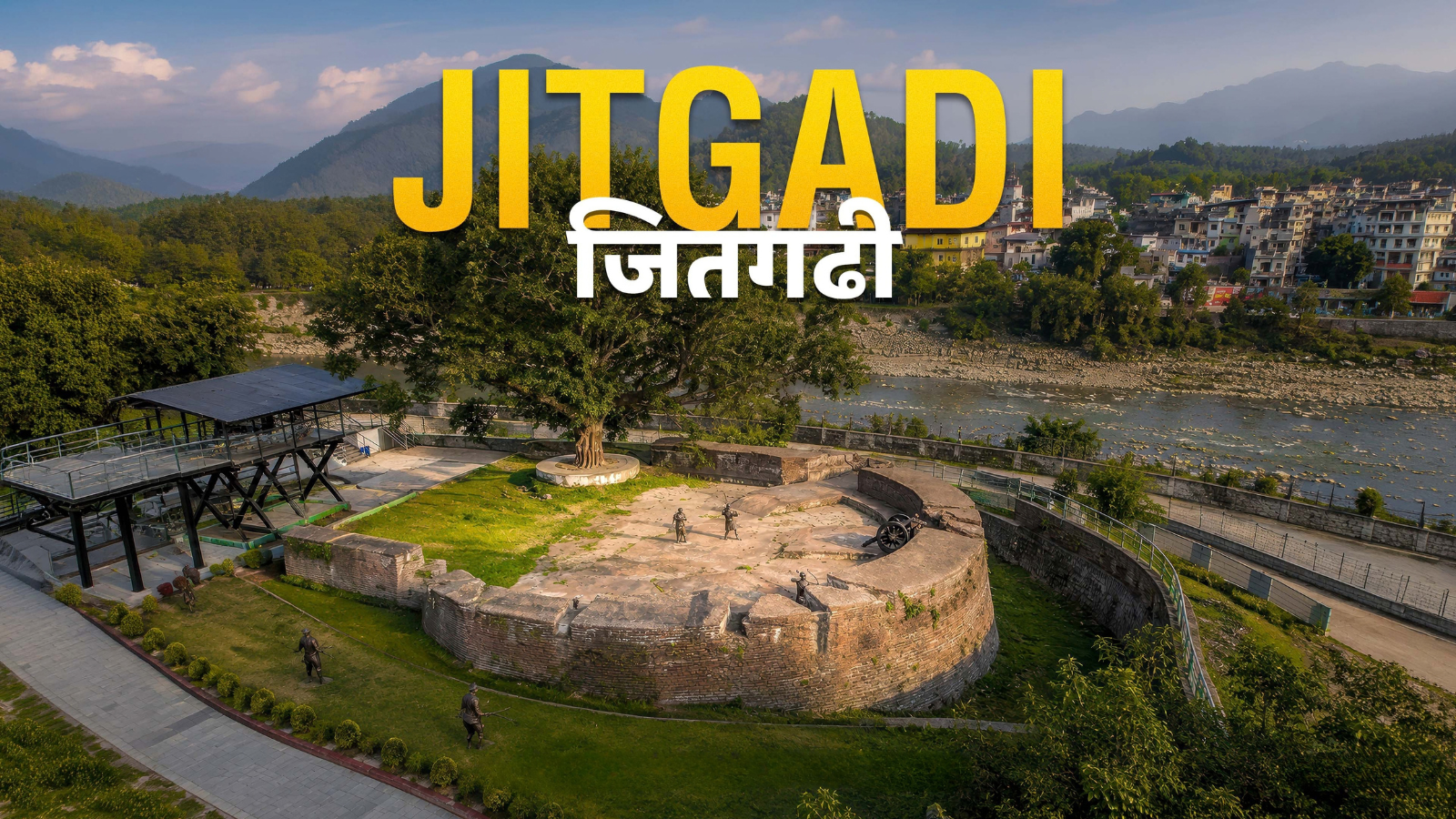
Built in the time of the Sen kings, the fort was first called Butwal Gadhi. It stands 183 metres above sea level on the right bank of the Tinau, built of brick and mud. Its walls narrow toward the top, with small openings through which guns could be fired. Historians believe it guarded the entrance to Palpa, the Sens’ capital.
Prithvi Narayan Shah once described Nepal as a yam caught between two boulders. Even after Greater Nepal was formed, the East India Company watched the country warily, for Nepal stood as an obstacle to its trade toward Tibet and China. After the Company seized Butwal and Syuraj, war was declared on 1 November 1814.
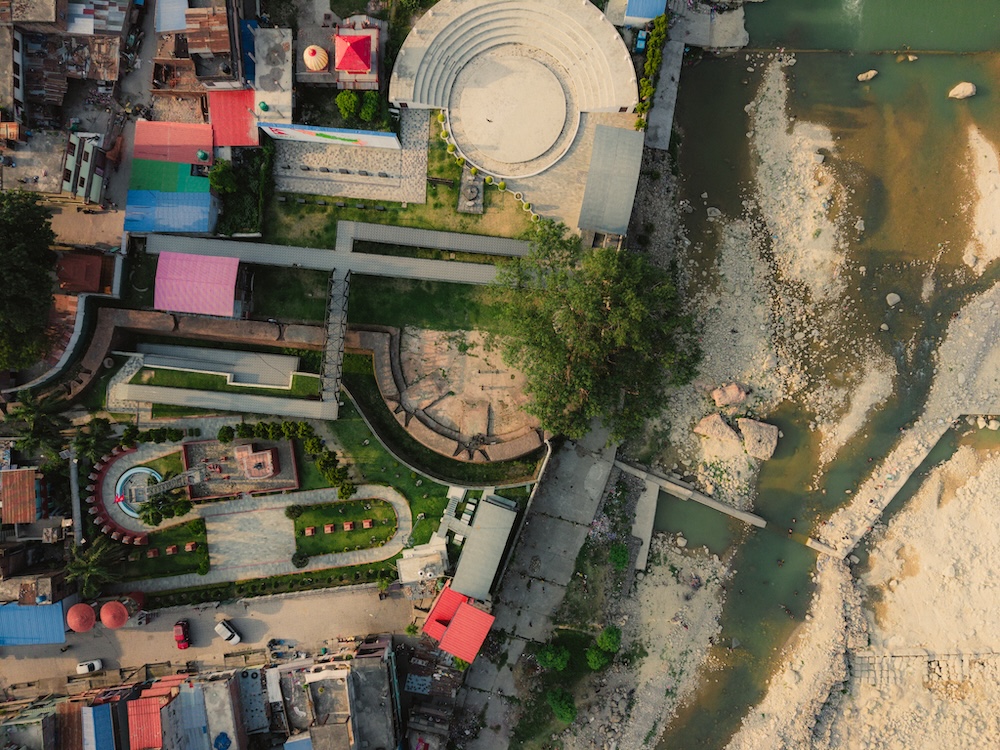
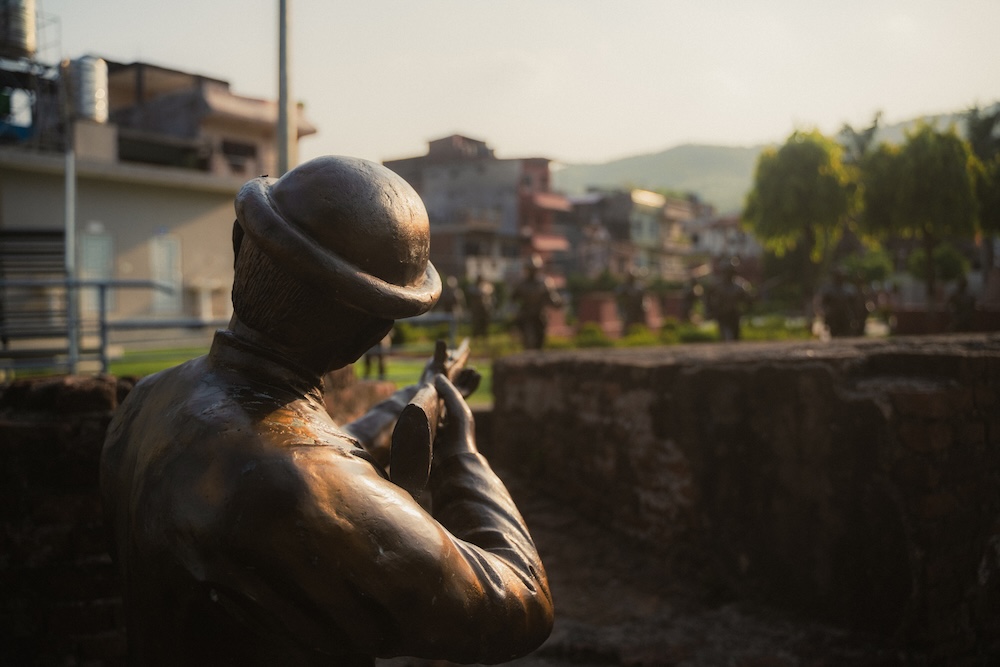
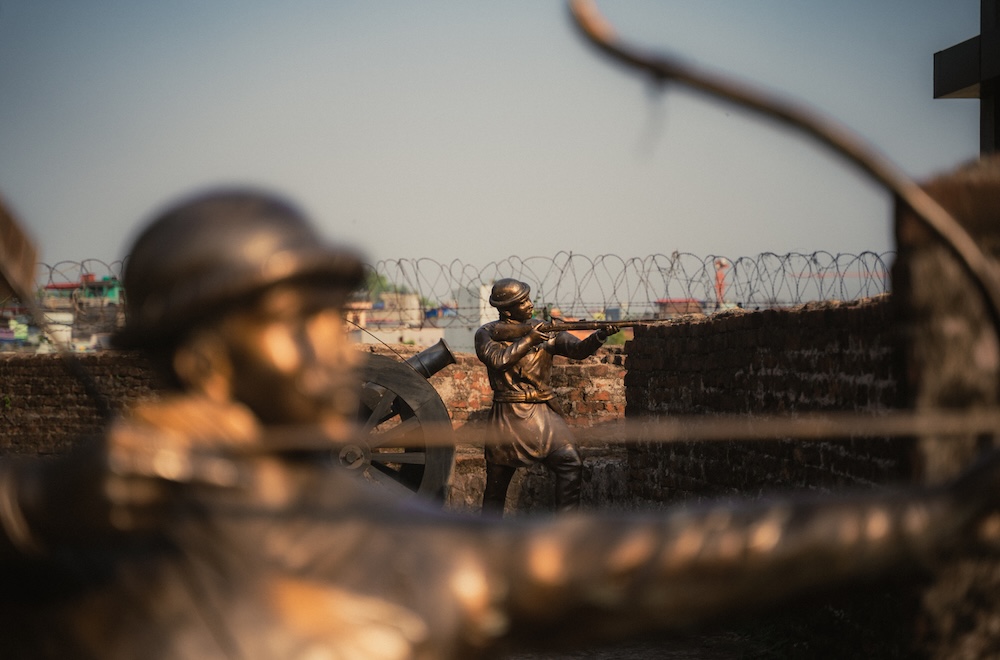
Colonel Ujir Singh Thapa was deployed to defend Palpa. Major General John Sullivan Wood marched toward Jitgadhi with over three thousand soldiers, but the forest swallowed many of his troops. By the time the fort came into sight, he had only three companies left. It looked empty. Then, as they turned to leave, a shower of bullets rained down. In the fierce fighting that followed, Nepal lost around 50 to 60 soldiers, while the British lost an estimated 500 to 700. Wood ordered a retreat.
He returned for a second attempt, destroying the Sen-era palace at Phulbari with cannon fire before crossing the Tinau, only to be met by another hail of bullets. The ruins of that palace still stand today, a wound from that war and a living piece of history.
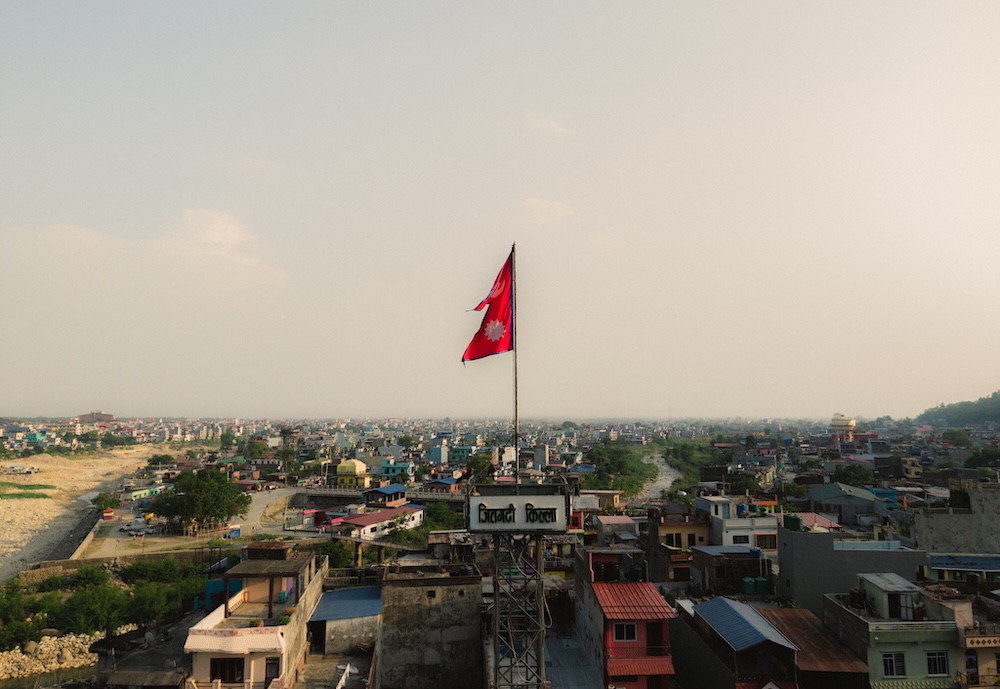
Though Nepal won at Jitgadhi, the situation elsewhere was precarious. On 2 September 1815, the nine-point Sugauli Treaty was signed, and Nepal took the shape we know today. We lost some territory, but not our sovereignty. The East India Company, whose sun was said never to set, has left no trace. The sun and moon on Nepal’s flag are still there.
Tansen: A Vow Fulfilled
History seemed to lead us on to Palpa. Following the Tinau upstream along the Siddhartha Highway, we reached Tansen, a town that feels like medieval Kathmandu or Patan, with its Newari alleys and a sense of stepping back several decades.
Here stands the Ranaujireshwari Bhagwati Temple. Before the war, Ujir Singh Thapa came here and fell at the feet of Mother Bhagwati, vowing to build a temple if he won. He kept his word. Built between 1872 and 1876 BS, the temple carries the name of his mother, Ranakumari Devi Pandey. It is a place of faith, but also a symbol of courage.
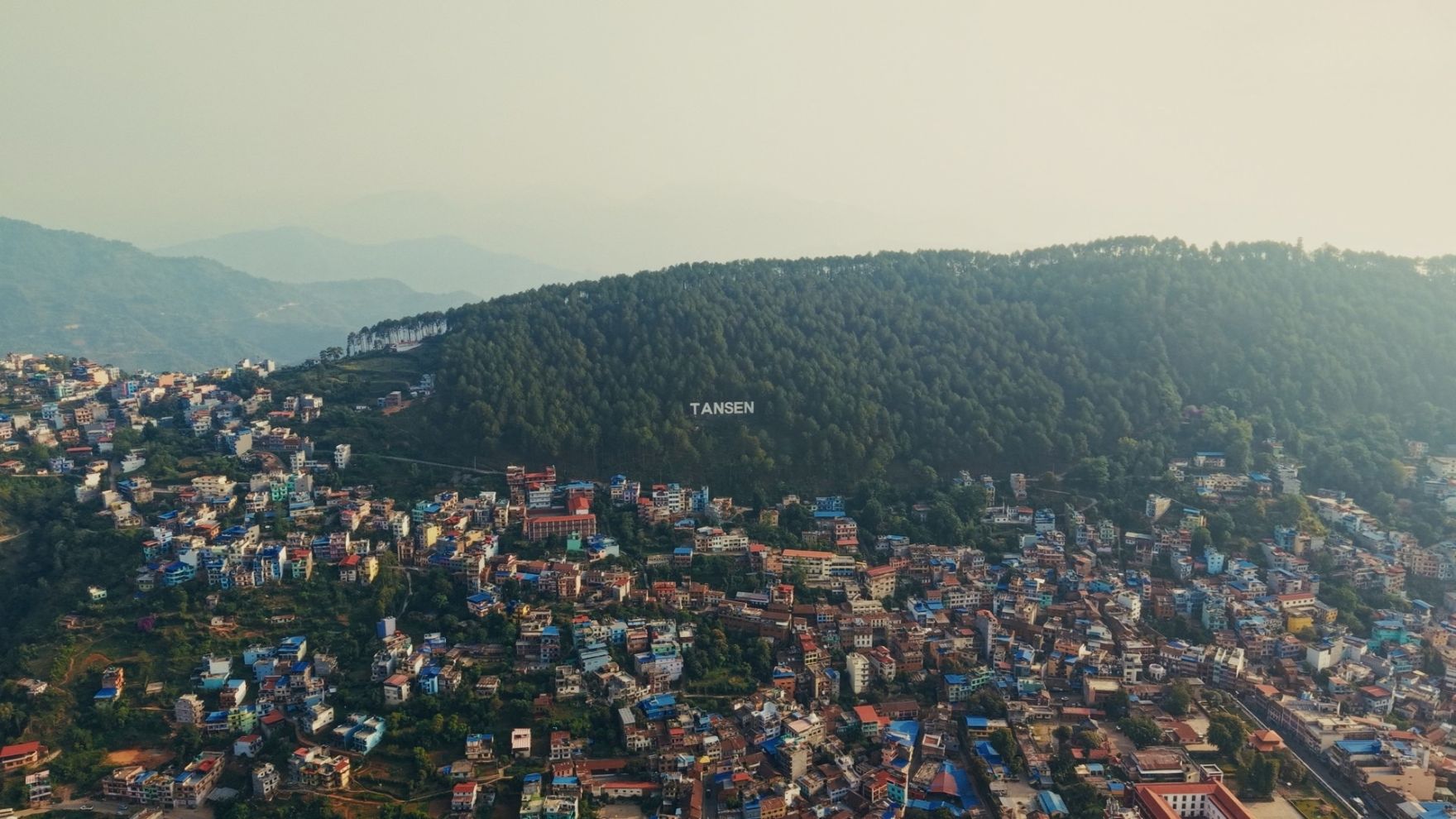
Every year, the Vijaya Utsav procession marks the day after Krishna Janmashtami. Mother Bhagwati’s idol, with Ujir Singh’s sword beside it, is carried through the city, and the Nepali Army takes part in the worship. For Nepalis, valor is a kind of religion.
The Threads of Palpali Dhaka
Tansen is also the city of Dhaka. After unification, it became a centre of trans-Himalayan trade, and Newar traders settled here, bringing their skills and culture and making the town as evergreen as its pine trees. Trade may no longer flow as it once did, but Tansen keeps weaving its identity, thread by thread.
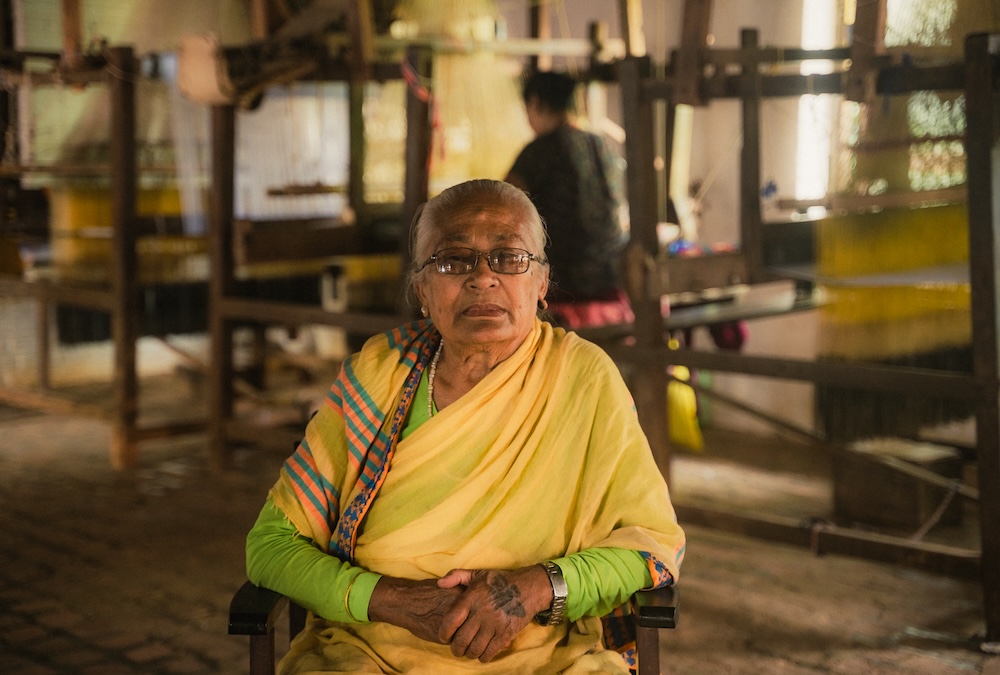
Palpali Dhaka as we know it began around 1950 AD, when Ganesh Man Maharjan returned from Bengal with the skill of weaving and founded the Swadeshi Vastrakala Udyog. Its fame soon reached from the Rana households to the Shah households, and wearing Dhaka became a mark of pride.
Behind that fame stands Purna Maya Maharjan, lovingly called “Aji.” She did more than make Dhaka a symbol of Nepal; she showed women a way to earn their livelihood and gave them the courage to move forward. Even with age, her warmth makes everyone who visits feel at home.
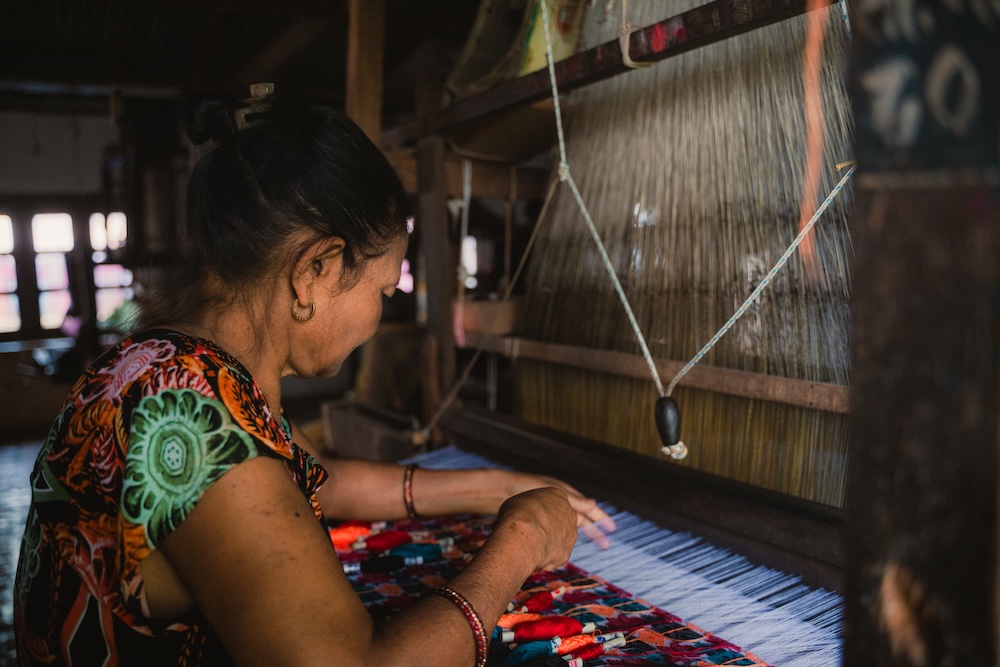
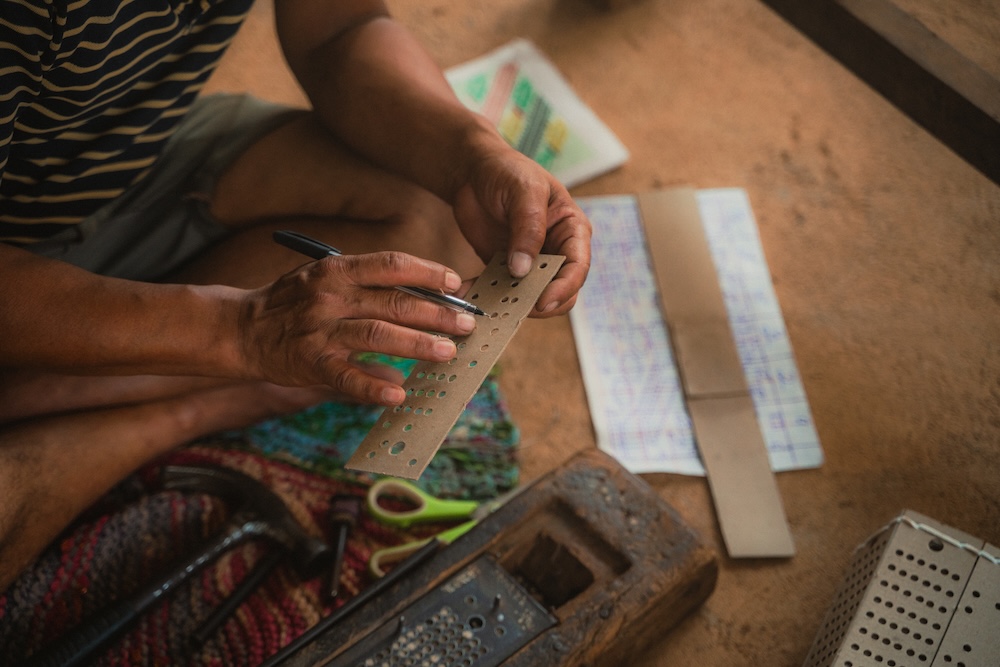
Today, the demand for Dhaka remains, but the skill and hard work it needs are slowly disappearing. Young people like Anushish Rayamajhi are bringing new energy, enthusiasm, and skill to this industry.
We dedicate this journey to Aji, to her courage, and to the entire Palpali Dhaka family. Their contribution is no less than a warrior’s.
Closing Thoughts
Nepal cannot be seen through a single lens. Every place has its own story, some written and some still unwritten. This journey proved that Nepal’s history, much like Dhaka fabric, is woven with great care from threads of many different colours.
Article By: Puspa Devkota
Photos: Team Nepal8thwonder

Comments are closed.