

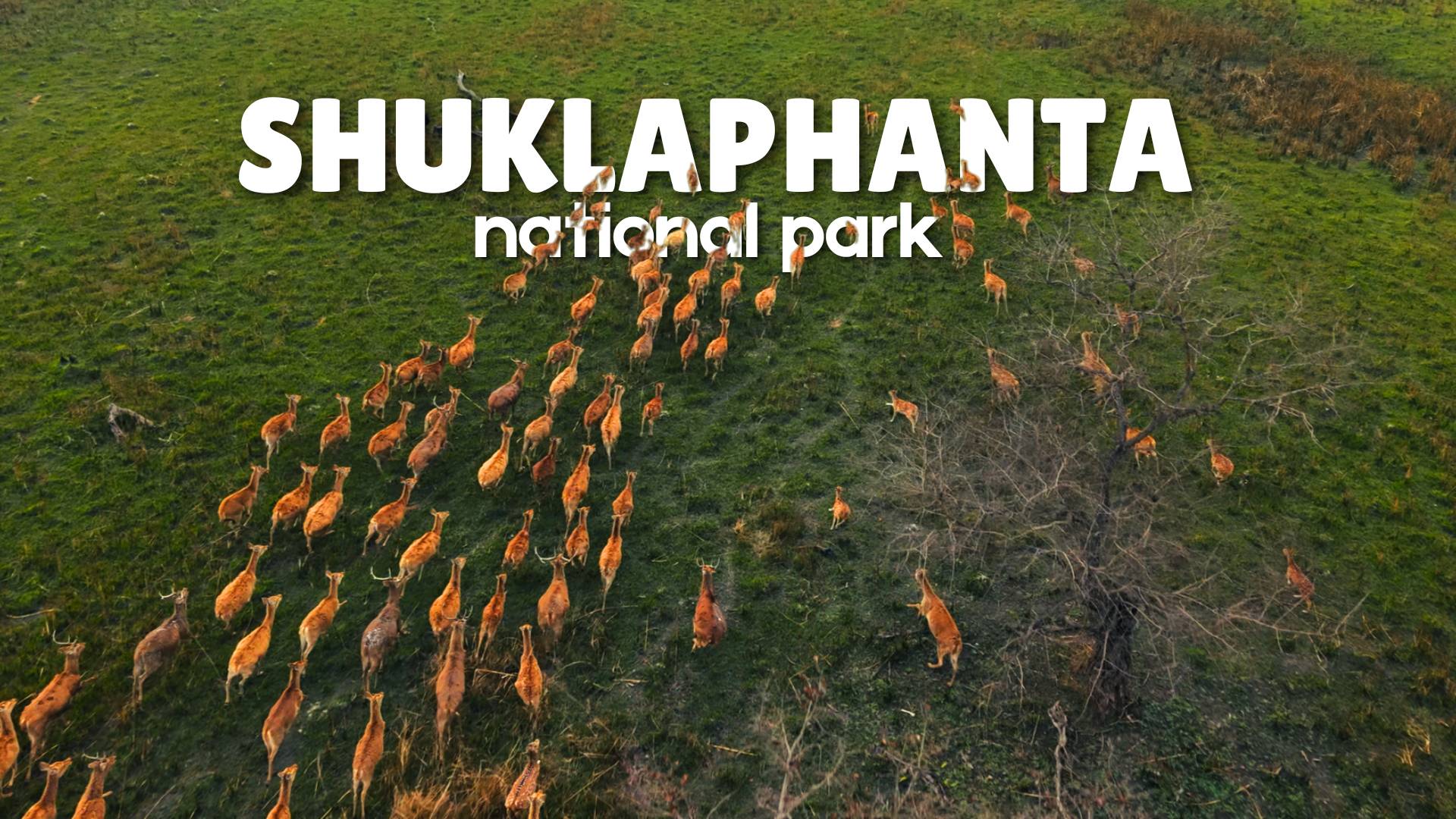
When most people think of Nepal, their minds go straight to the Himalayas, the snow-capped peaks, the trekking trails, the pull of altitude. But Nepal is far more than its mountains. About 720 kilometers west of Kathmandu, in the far edge of the Terai plains near the Indian border, lies one of the most extraordinary and under-visited regions in the country: Kanchanpur district and the magnificent Shuklaphanta Wildlife Reserve.
We had already spent three days chasing the sun westward. By the fourth morning, we arrived where we were always meant to be.
Waking Up at the Edge of the Wilderness
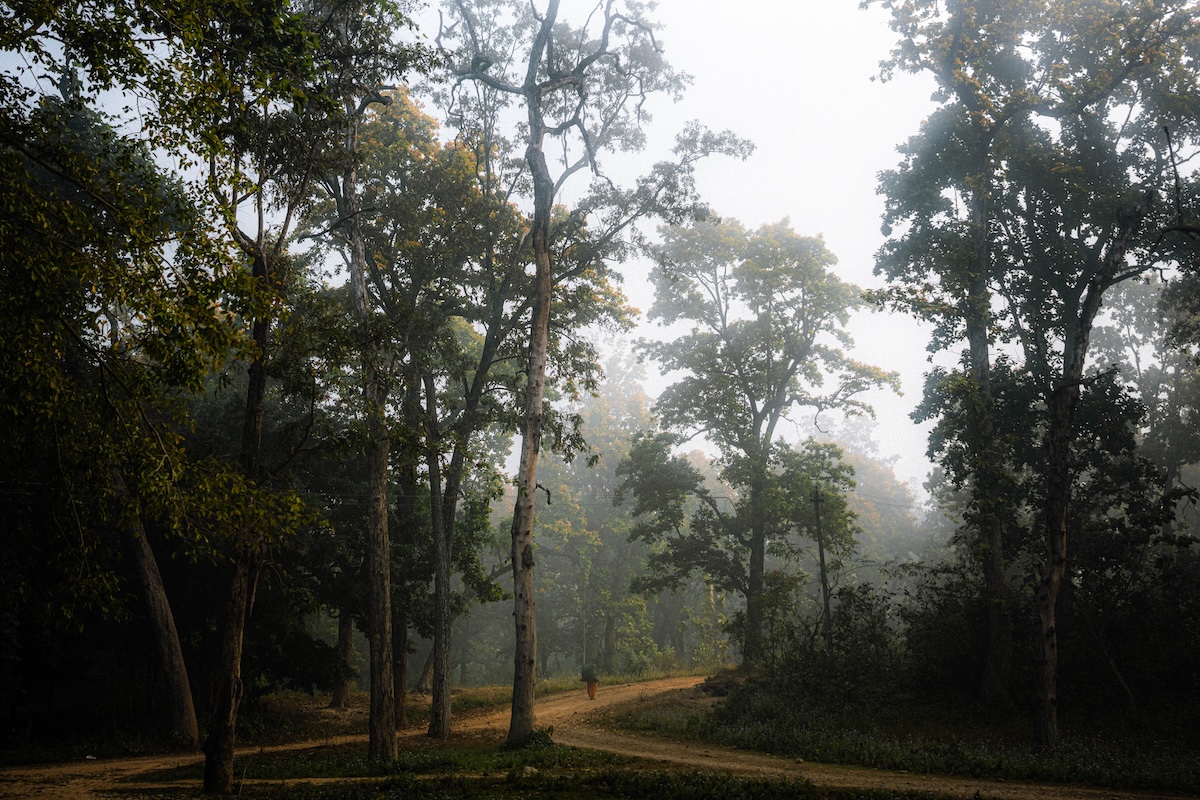
There is something deeply humbling about waking up at the doorstep of a jungle. The air feels heavier, alive, filled with a quiet that cities have long forgotten. Our stay at Shuklaphanta Jungle Cottage brought us right to the boundary of the reserve, and on Day 4, we stepped across it.
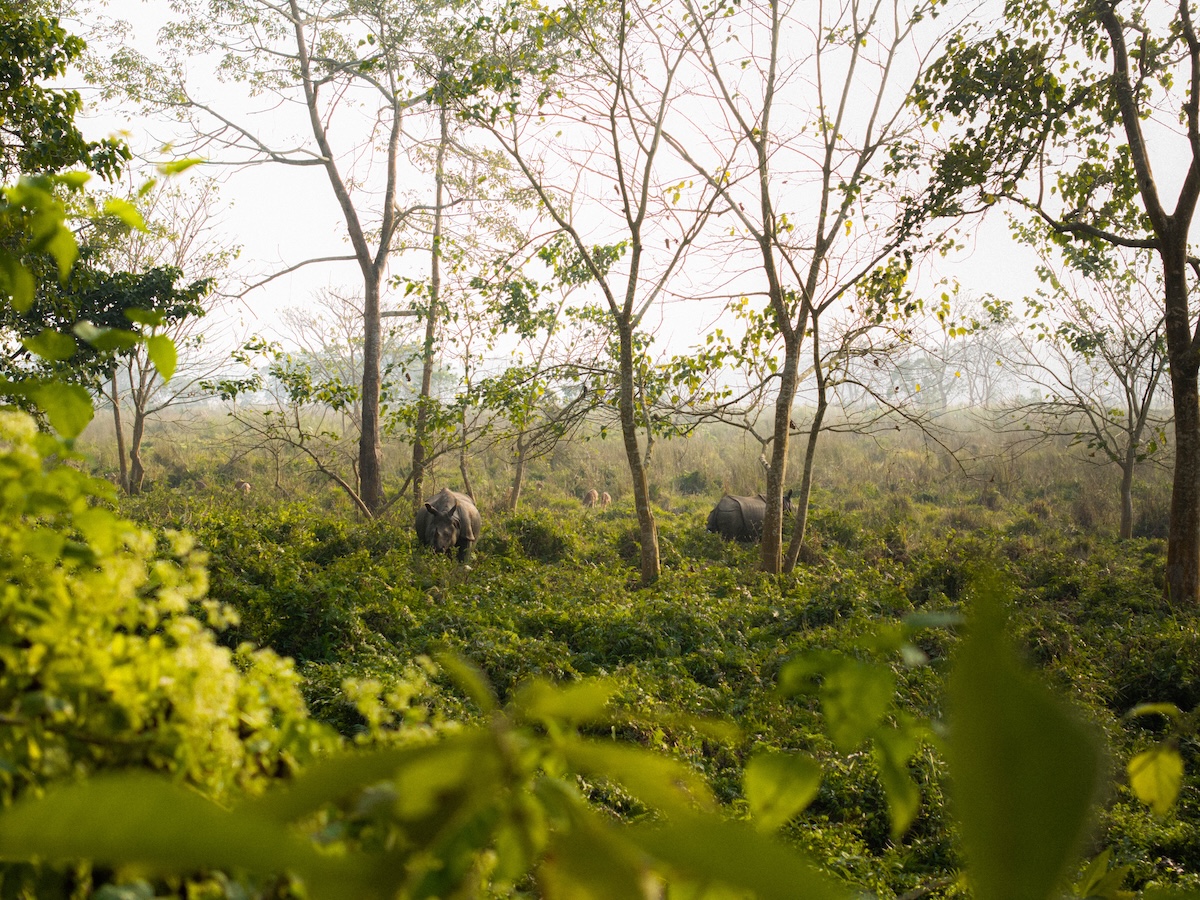
Shuklaphanta Wildlife Reserve spans 305 square kilometers across Kanchanpur in Nepal’s far-western Terai. It was first established as a hunting reserve in 1969 (BS 2026) and later declared a wildlife reserve in 1976 (BS 2033). Today, it stands as one of the most ecologically important protected areas in South Asia. From vast grasslands and wetlands to dense sal forests, the reserve supports an extraordinary range of biodiversity.
Baba Taal: Nature’s Mirror
Our first stop inside the reserve was Baba Taal, a lake that appears completely natural at first glance. Its still water reflects the sky like a mirror, surrounded by reeds and silence. In reality, Baba Taal is man-made, designed to support the reserve’s ecosystem.
It plays a vital role in maintaining the wetland habitat by providing water for animals and a sanctuary for migratory birds throughout the year. Standing there in the early morning, watching ripples form as a bird skimmed the surface, it became clear why places like this must be protected.
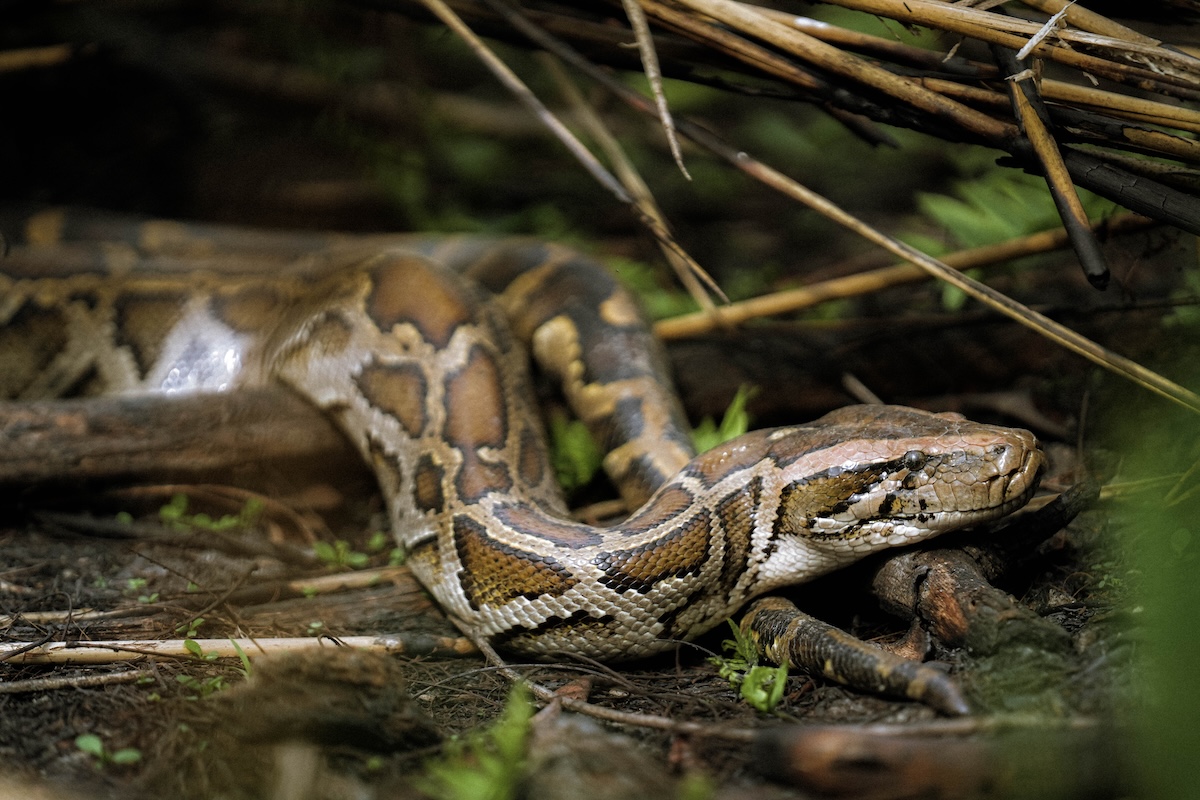
The Barasingha: An Encounter That Stopped Time
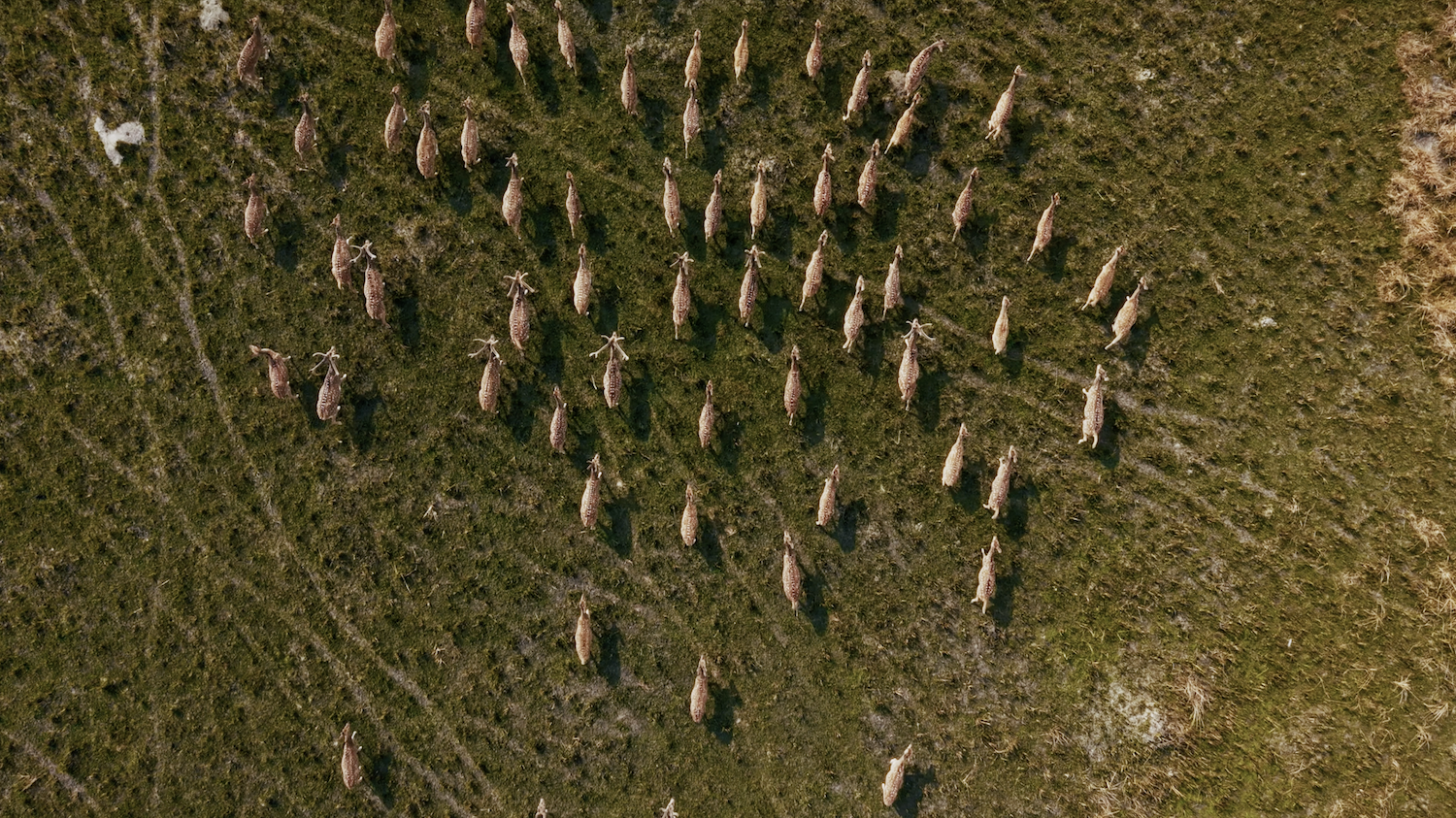
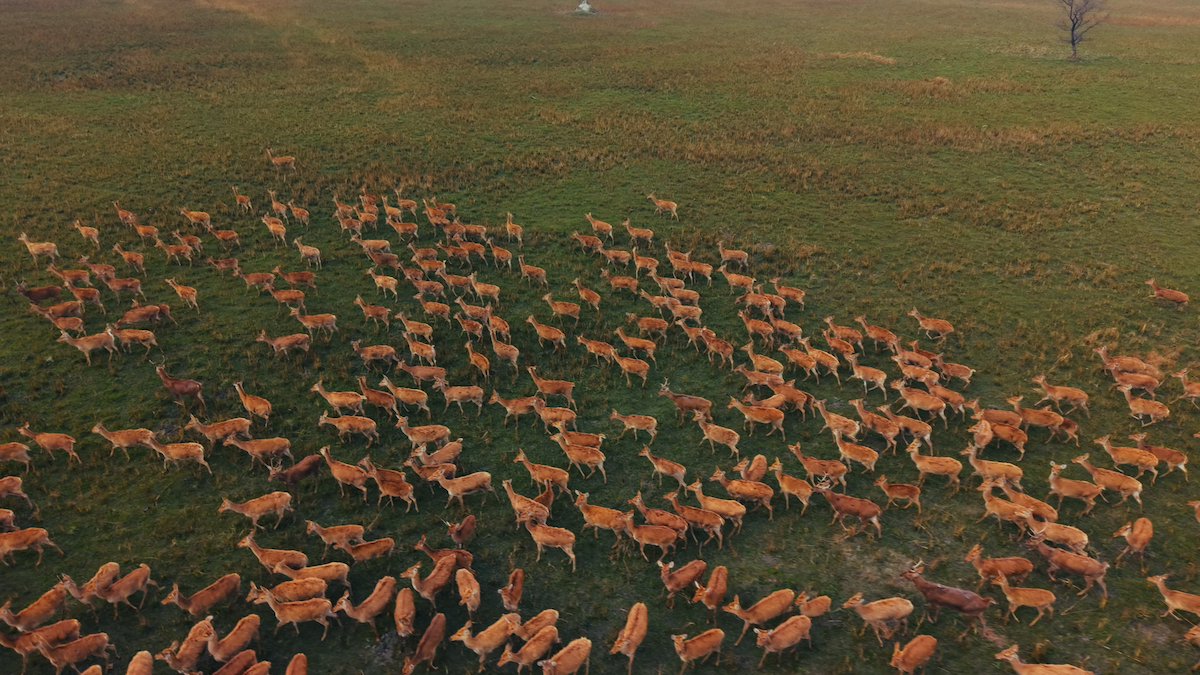
If Shuklaphanta has a crown jewel, it is the barasingha, also known as the swamp deer. The reserve is home to one of the largest populations of this endangered species in the world. A 2022 census recorded 2,313 barasingha within the reserve.
We were not prepared for what we saw.
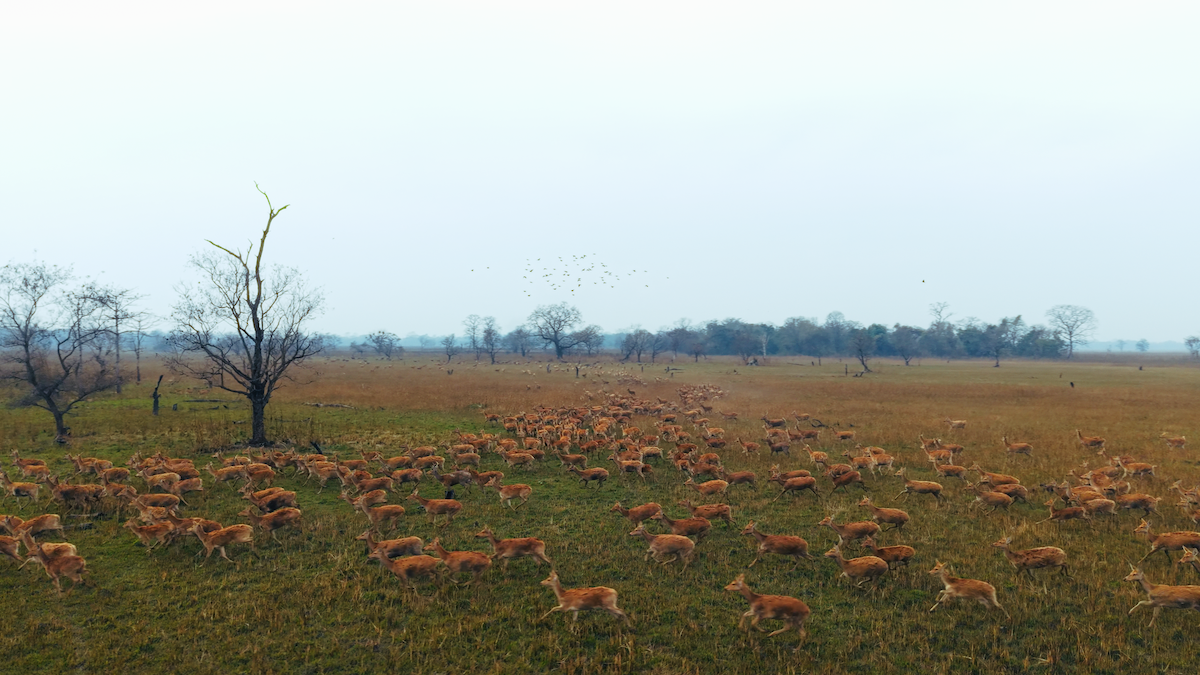
A massive herd grazed across the open grassland. There were dozens, perhaps more. Their golden-brown coats shimmered in the morning light, and their antlers rose like crowns. They moved with a calm confidence, as if they understood they were finally safe. For all of us, it was a completely new experience. No photograph could fully capture the feeling of watching so many wild animals move freely in their natural habitat.
Barasingha are grassland animals that usually live in herds ranging from small family groups to large congregations. They were once heavily hunted for their antlers and hides, pushing them close to extinction. Conservation efforts in Shuklaphanta have brought them back, and witnessing that recovery firsthand was one of the most powerful moments of the journey.
Rani Taal and the Legend of Kanchanpur
Deeper inside the reserve lies Rani Taal, a lake tied to local history and legend. It is said that during the time of the Baise-Chaubise kingdoms, a queen took her own life here. Her son was named Kanchan, and from him the district derives its name.
These are the stories that rarely appear in travel itineraries, yet they are what make a place feel real. Kanchanpur is not just a location on a map. It carries history, grief, resilience, and identity.
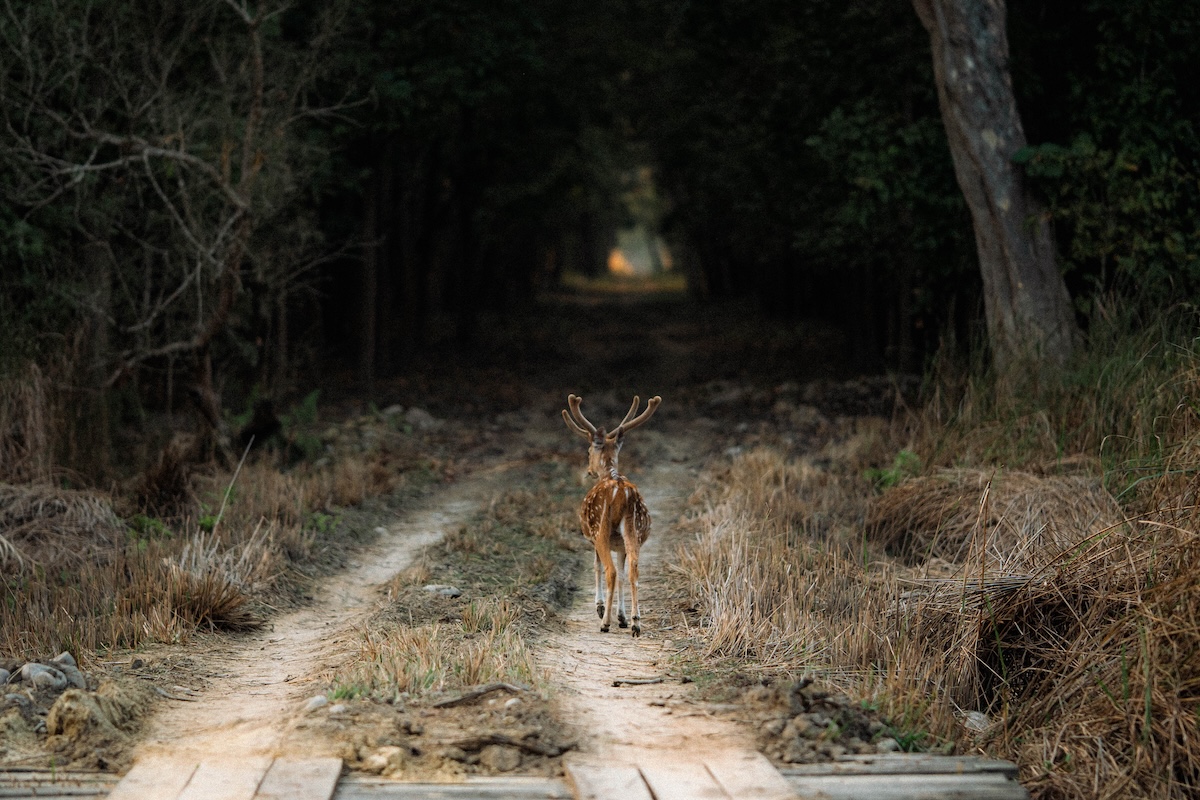
A Royal Encounter: The Bengal Tiger
Wildlife reserves never guarantee sightings of apex predators, which is exactly what makes such encounters unforgettable. According to the most recent census, 43 Royal Bengal tigers inhabit Shuklaphanta.
We were incredibly fortunate. A tiger revealed itself during our visit, and in that moment, everything fell silent.
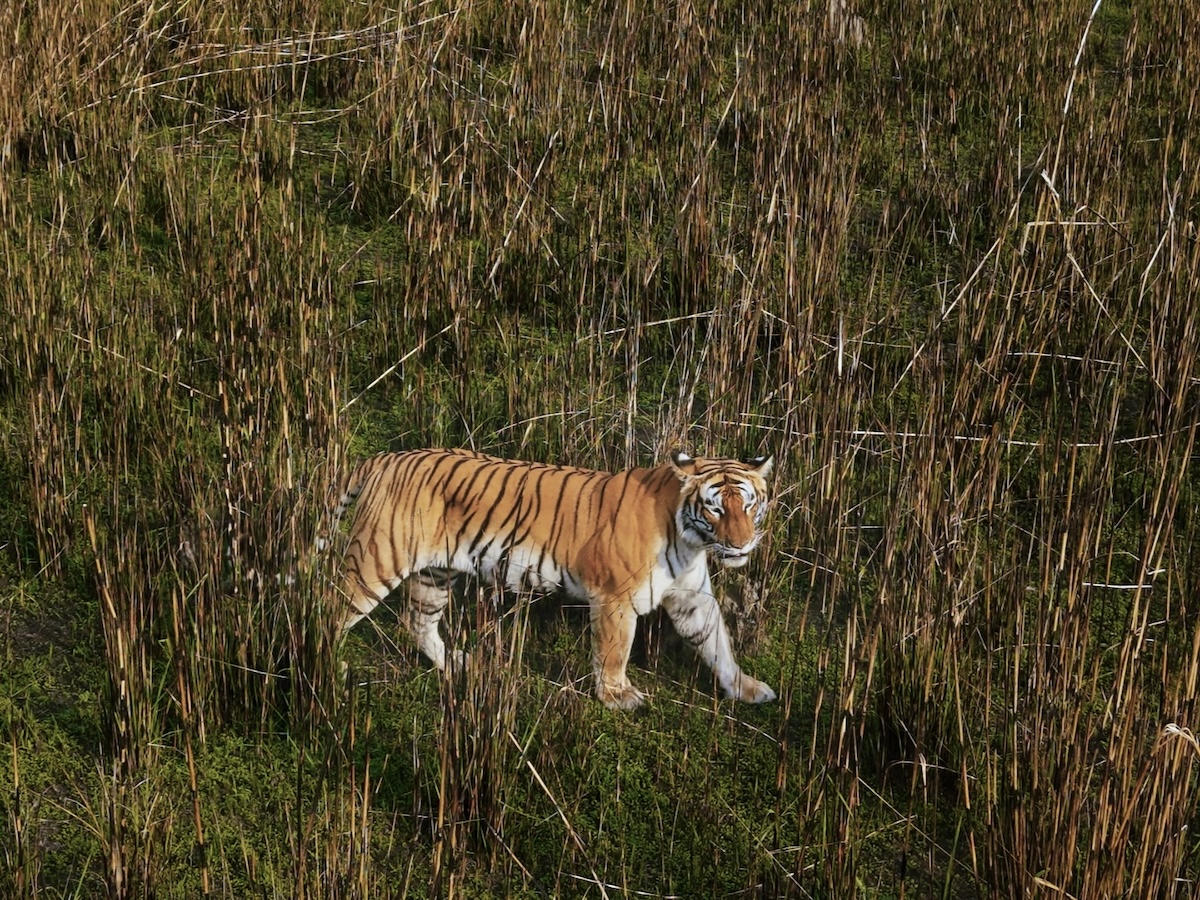
There are few experiences that match seeing a wild tiger in its natural habitat. It is both terrifying and beautiful, a reminder of what still exists when nature is allowed to thrive.
Jonapur Village: Where Culture Lives and Breathes
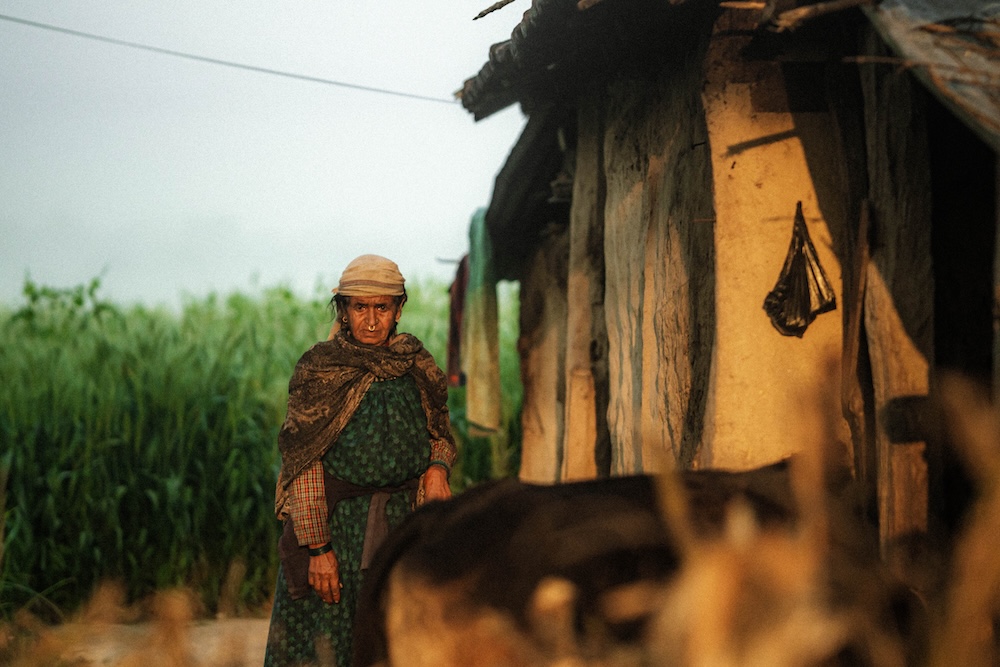
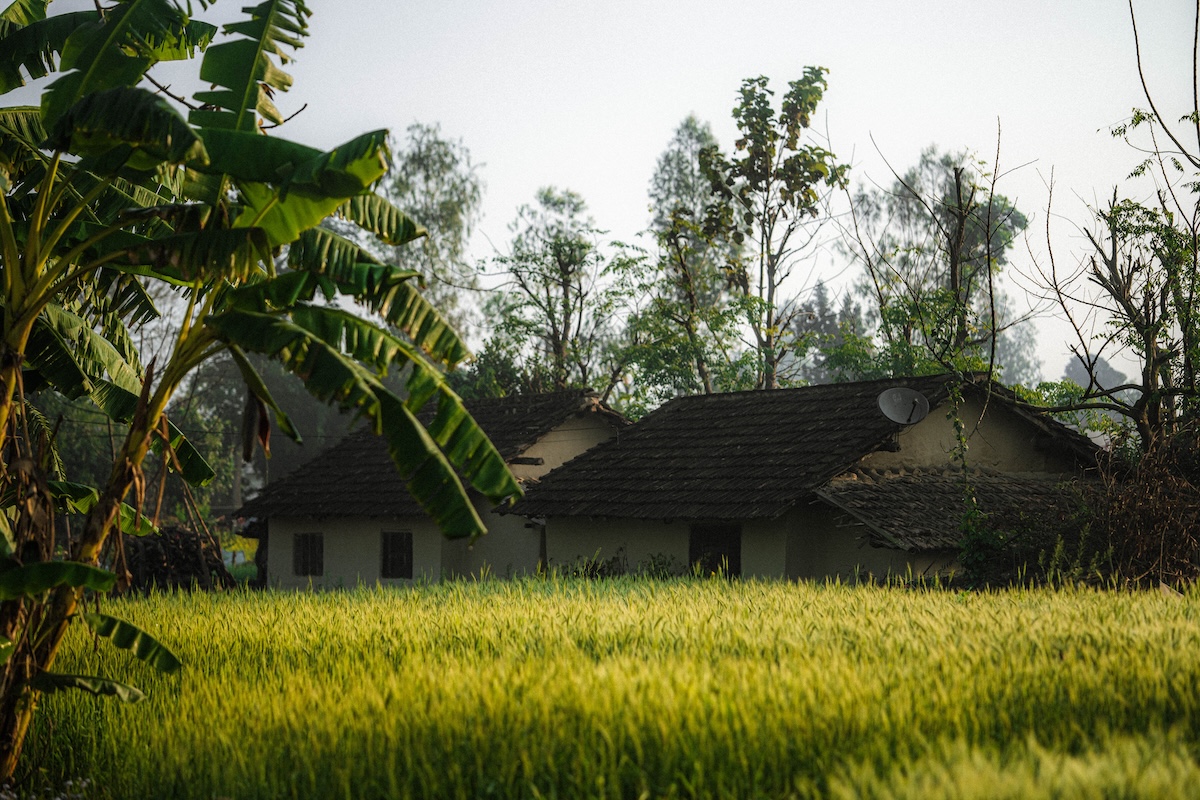
No visit to Kanchanpur is complete without spending time with the Tharu community, the indigenous people of the Terai. We traveled to Jonapur, a village within Shuklaphanta Municipality with around 235 households, about 140 of which belong to Tharu families.
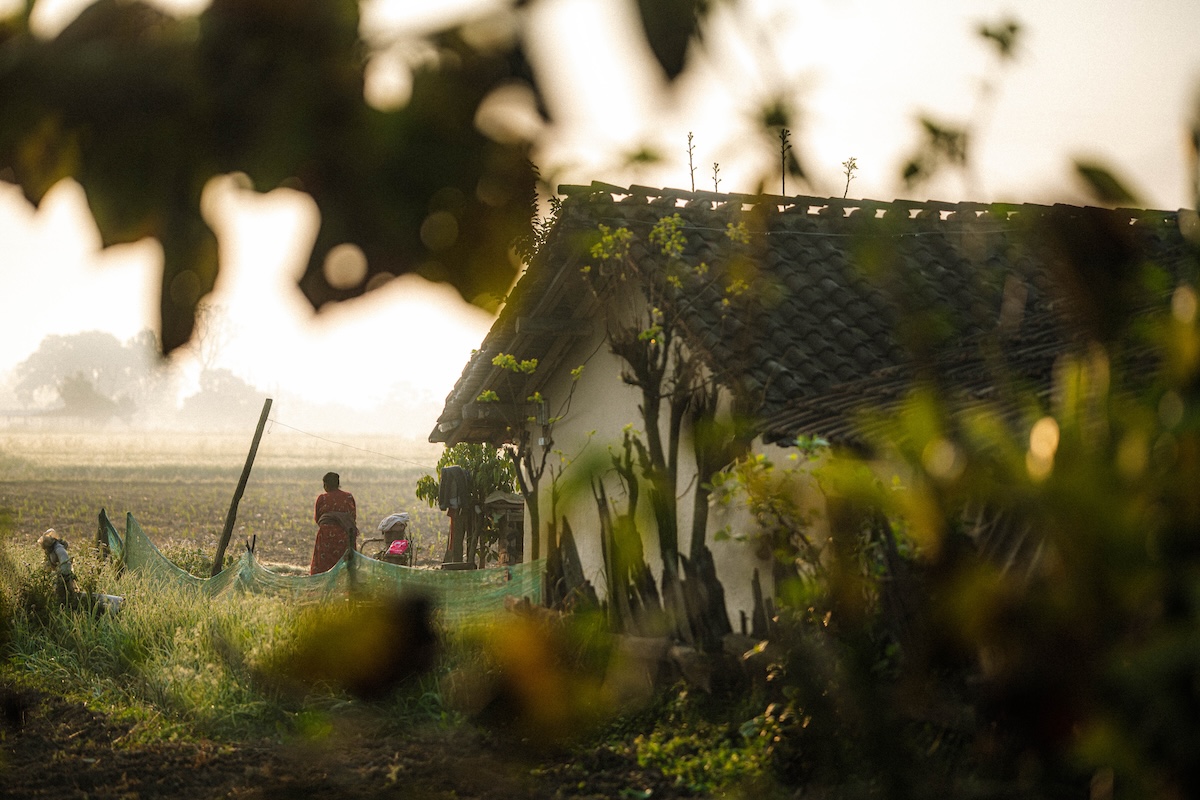
Traditionally farmers, many members of the community are now involved in tourism as nature guides, homestay operators, and small business owners. Khairkandra Community Homestay, operating since 2075 BS (2018), stands as a strong example of this shift.
We also visited the local school, Shri Jay Vidya Niketan, which runs classes from nursery to Grade 5. With 220 students and 13 teachers, it reflects the aspirations of the community. Watching the children in their classrooms was a grounding experience. Every parent here shares the same hope that their children will have better opportunities.
Ghungi: A Dish Worth Every Drop of Sweat
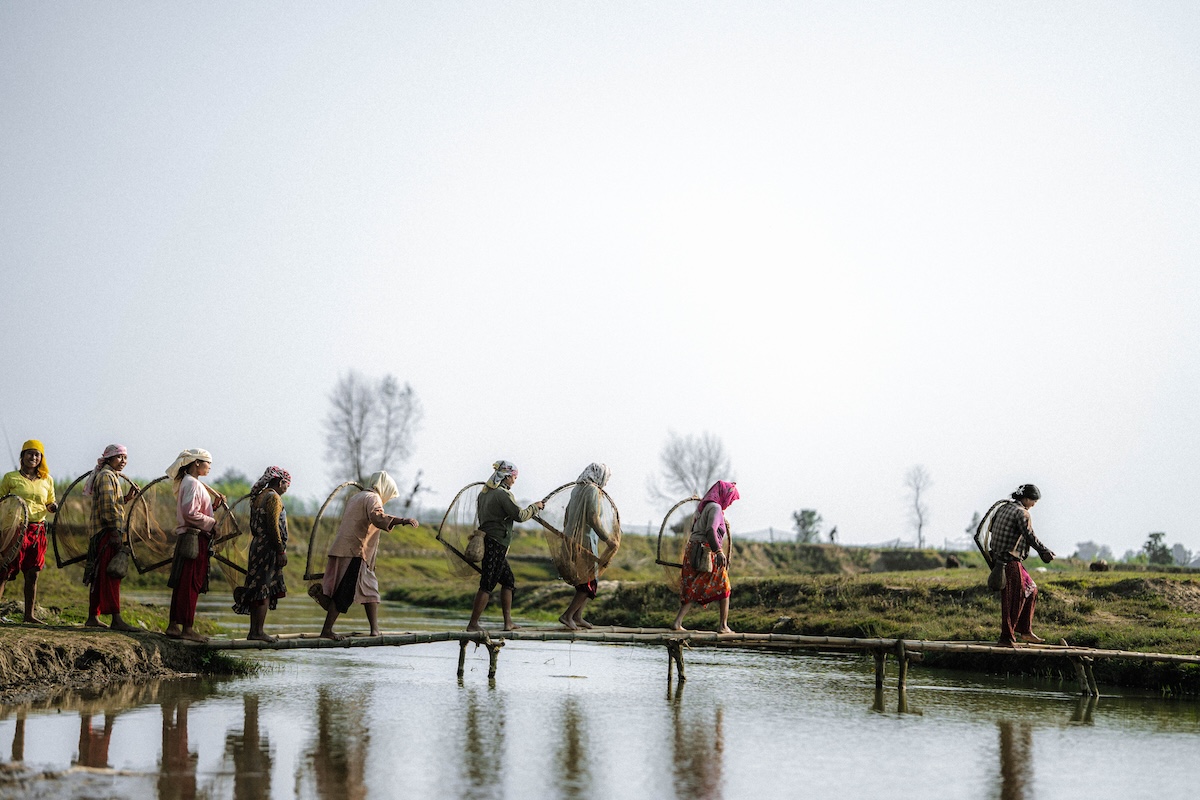
The Tharu community welcomed us with a warmth that is hard to describe. They invited us to collect ghungi, freshwater snails, from nearby streams. We waded through the water under the harsh Terai sun, gathering them one by one. It was slow and demanding work, and for many locals, it is also a source of income.
The ghungi curry that followed made every effort worthwhile. Deeply rooted in Tharu culture, the dish is known for both its unique flavor and the patience required to prepare it. The care and attention behind it made every bite unforgettable.
The Meadows of Survival: A Final Reflection
Out in the open grasslands of Shuklaphanta, life follows its most honest rules. Survival, hunger, and instinct define everything. No policy governs it. No system ensures fairness. Yet witnessing this raw order did not feel unsettling. It felt grounding.
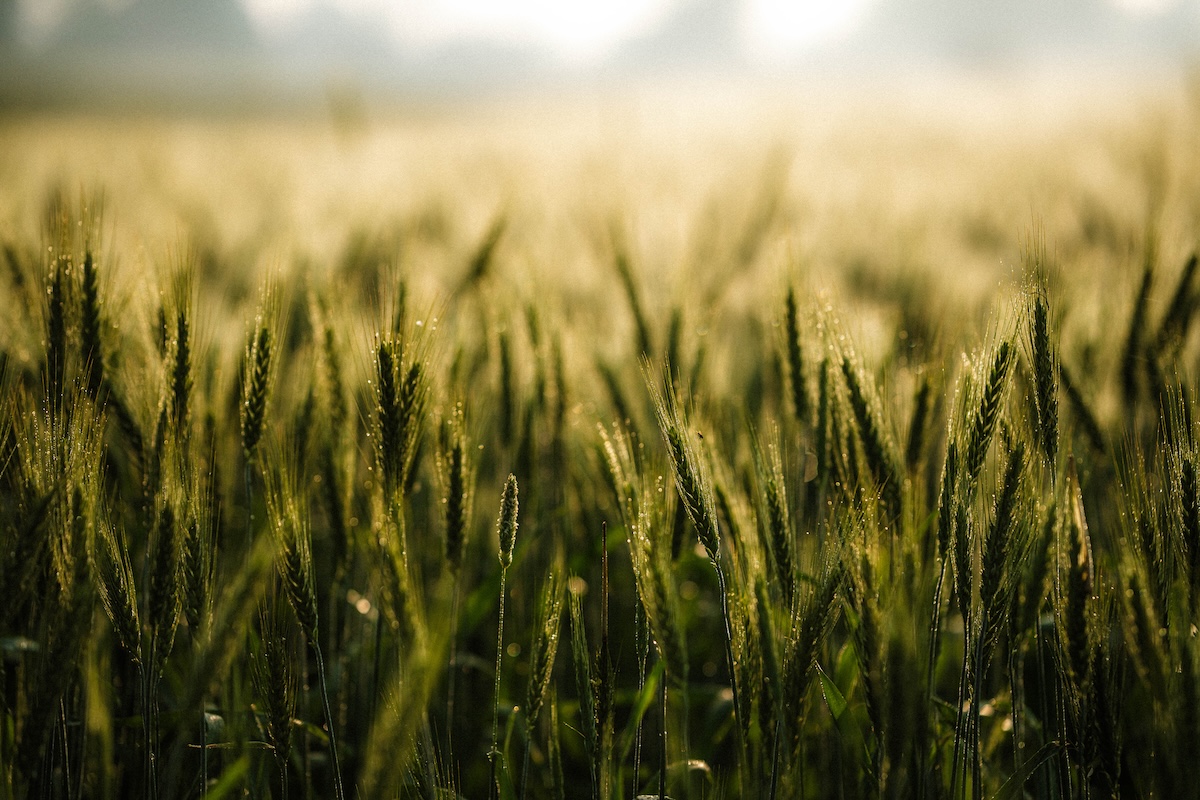
We felt grateful to have seen it, grateful for the privilege of standing in a place where the natural world still functions as it always has. We also felt gratitude toward the rangers, conservationists, and local communities who continue to protect it.
Western Nepal is not just a distant region on a map. It is a reminder that Nepal, though small in size, is vast in what it offers. Its landscapes, wildlife, people, and stories stretch far beyond expectation.
If you have never considered traveling to the Far-West, consider it now. Visit before it becomes a secret everyone knows.
Article By: Puspa Devkota
Photos: Prajwal Shrestha , Hemanta Bhandari

Comments are closed.