

Far away from concrete chaos and urban noise, tucked between towering peaks and endless pastures, lies Dhorpatan Hunting Reserve. Many know Dhorpatan only through the lens of regulated hunting. Once you step into this valley, you discover something deeper. It is a living record of human endurance and harmony with mountains, faith, and freedom.
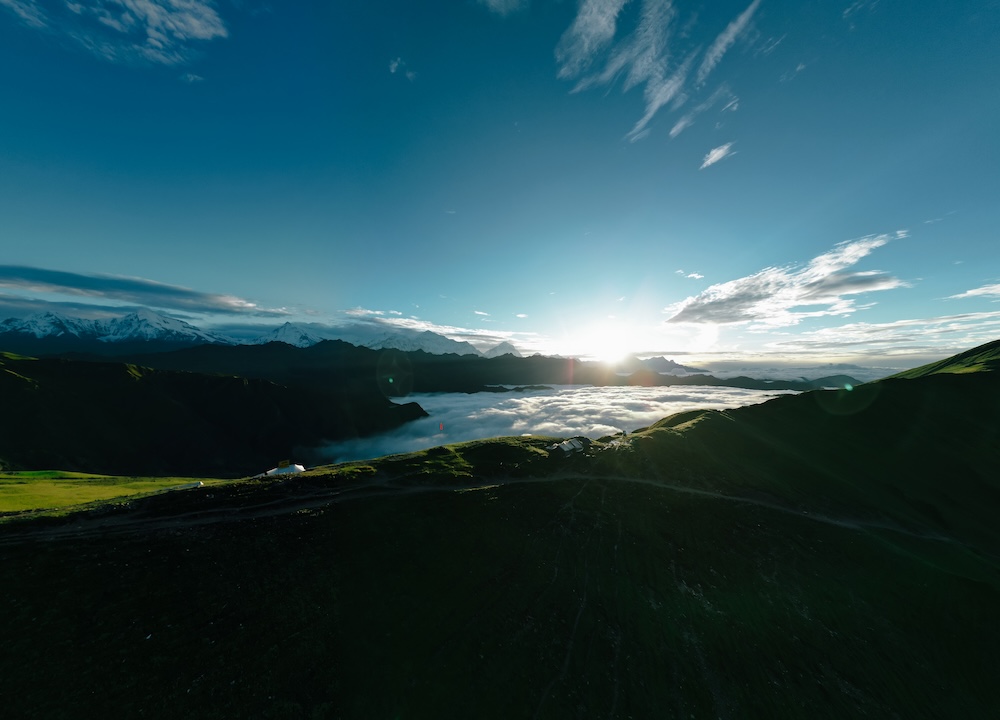
Our journey to understand Dhorpatan began from Pokhara, the city of travelers. We expected beautiful views, but what we found were stories of struggle, resilience, and quiet independence.
From Pokhara to Burtibang: Entering the Hills
Leaving behind the calm lakes of Pokhara, we headed toward Baglung district. The landscape shifted quickly. Terraced hills, roaring riverbeds, and scattered settlements lined the path toward Burtibang. It felt like stepping away from a familiar world. The road narrowed, greenery multiplied, and greetings from locals grew friendlier. Adventure was building with every turn.
Burtibang to Bowang: The Road Grows Wilder
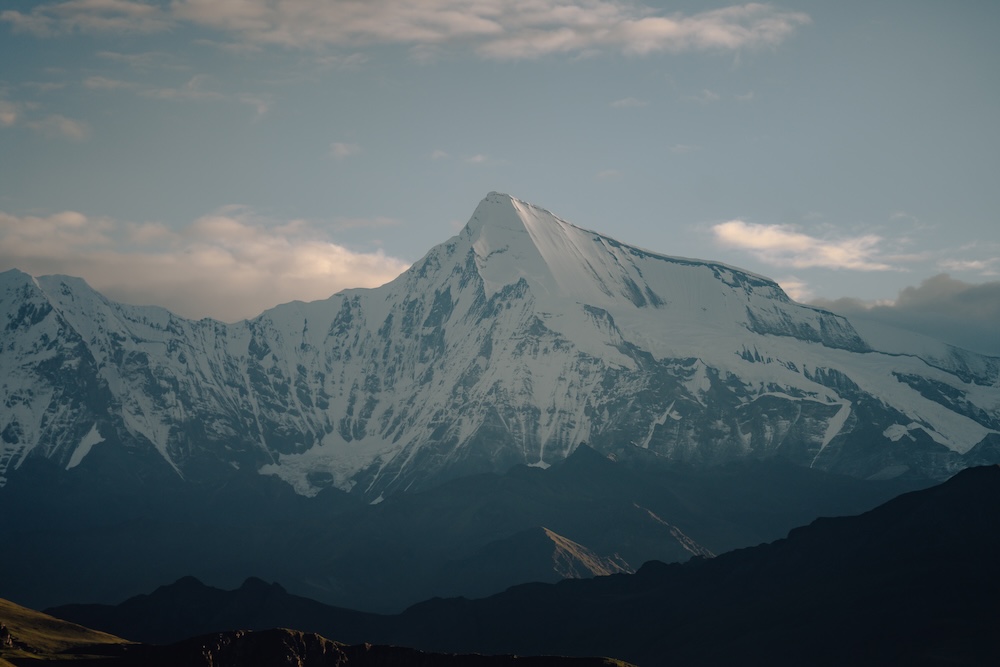
The drive from Burtibang to Bowang was rugged and uneven. It was almost as if nature was testing our determination to reach the hidden land beyond. Bowang looked like a settlement carved from rock and willpower. Past Bowang, the terrain opened wider. Suddenly, Dhorpatan stretched before us and made the world feel small.
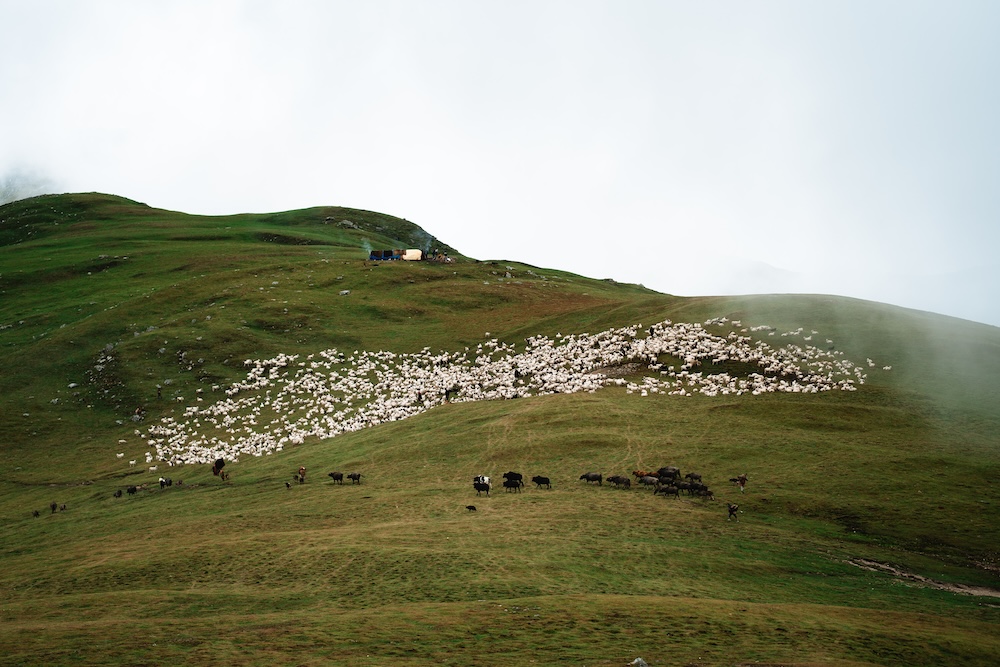
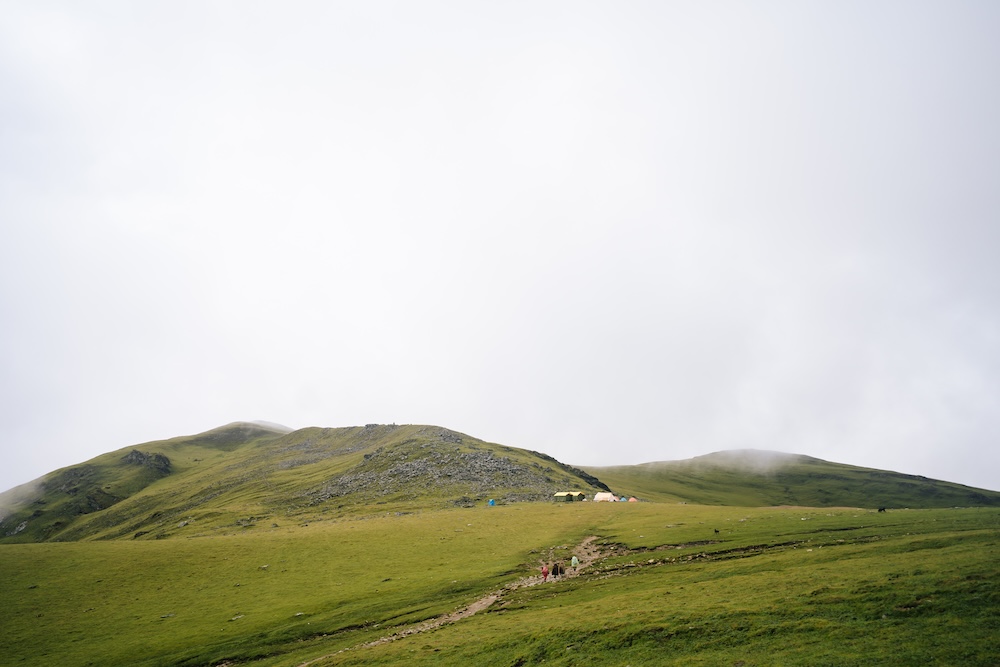
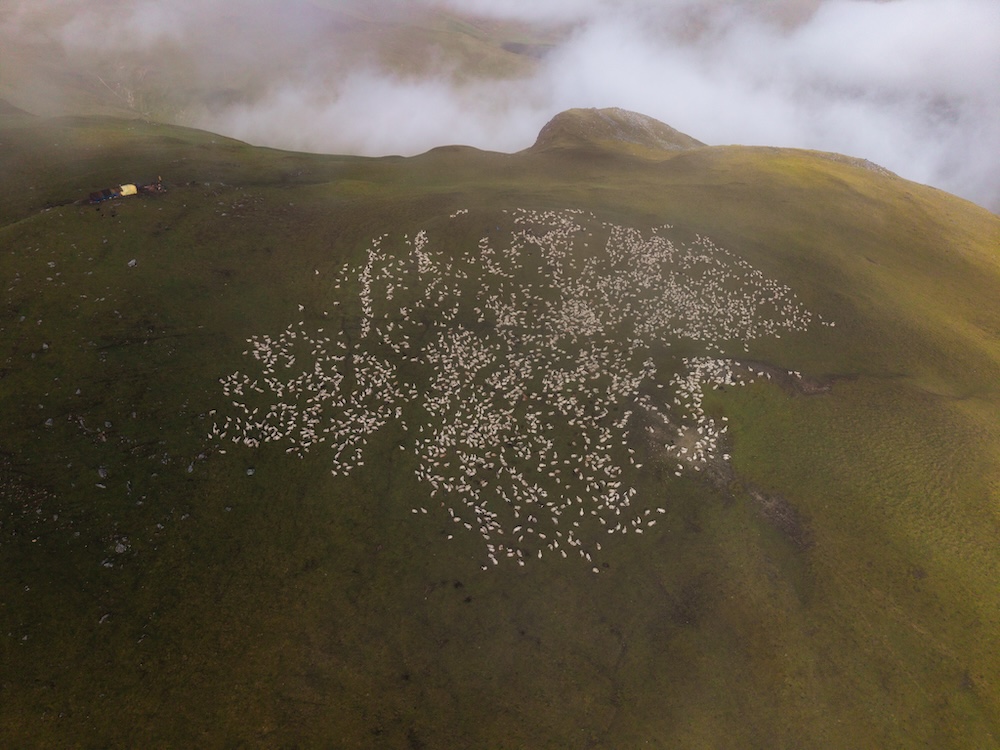
Grasslands rolled endlessly. Flocks grazed like waves across a green sea. The air carried the soft chime of sheep bells. These were the meadows that sustained generations of herders. Dhorpatan felt vast and humble at the same time, shaping life with its own rules.
Life in Dhorpatan
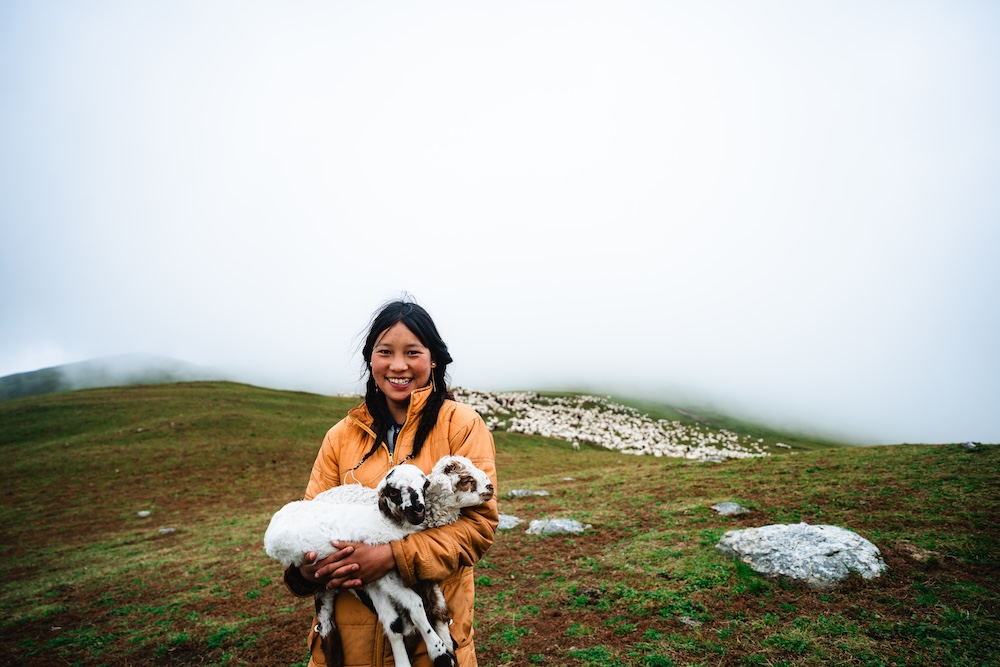
For people here, livestock herding is not a profession but a culture passed down through time. Families migrate with changing seasons. Summer means life in open highland pastures, while winter forces a retreat to warmer valleys. Days revolve around guiding sheep and yaks, protecting goats, and respecting the pace of nature.
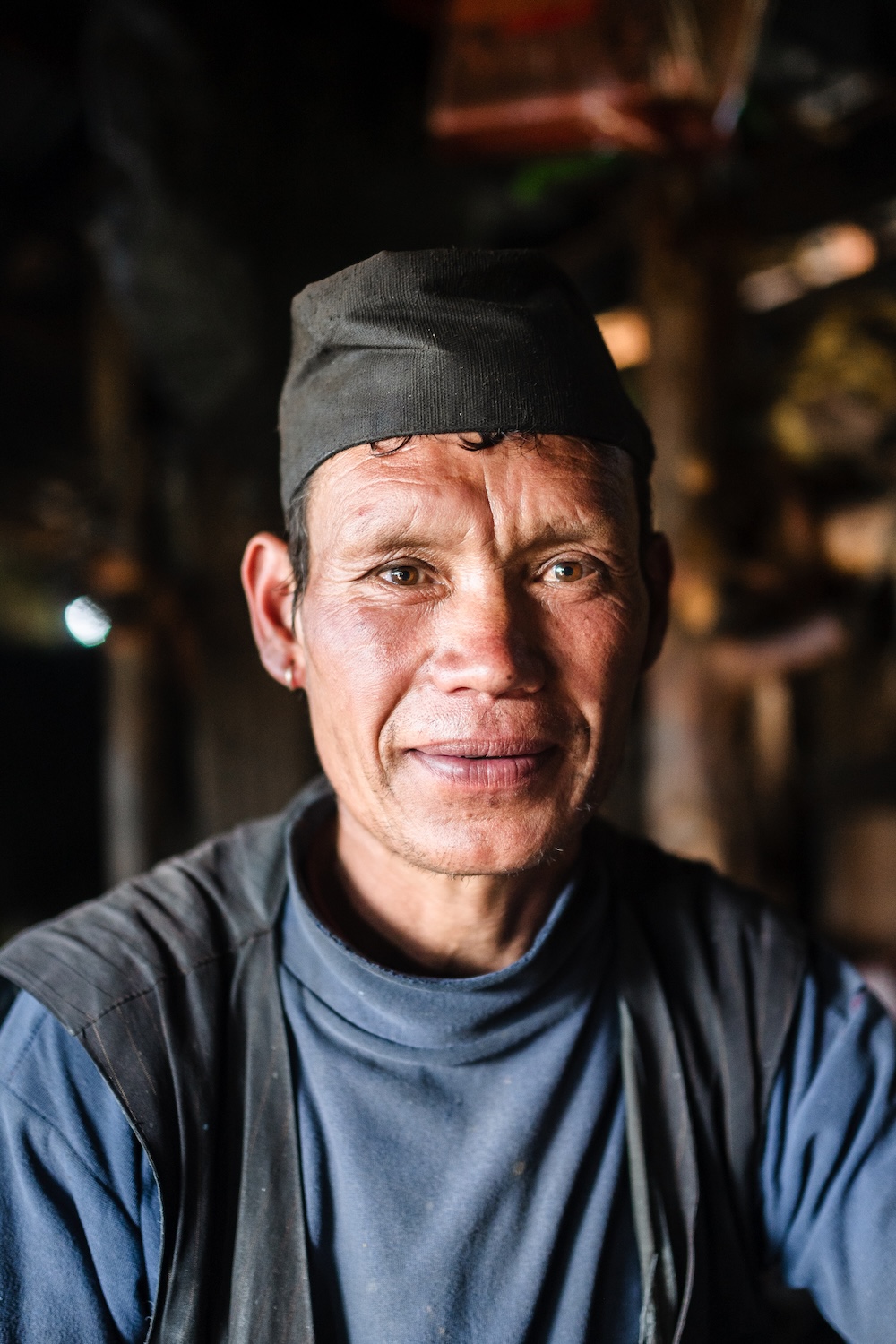
The lifestyle is demanding. Still, the people seem emotionally free. They live with honesty, without hurry or comparison. Even if their stories remain within the valley walls, their gestures reveal strength. They struggle today so their children may have it easier tomorrow.
Inside the Hunting Reserve
Dhorpatan Hunting Reserve is the only hunting reserve in Nepal. Legal hunting began in 2030 B.S. with strict controls that prioritize conservation. Through a bidding system, only two species are permitted for hunting. They are called Thar and Naur.
Permits are extremely limited. Only 20 Thars and 15 Naurs are allowed to be hunted annually during two specific seasons. Prices can go up to two million rupees. Regulation ensures that wildlife populations remain protected while tourism benefits communities.
Spiritual Roots and Tibetan Heritage
High in these mountains, spirituality has found refuge. Dhorpatan hosts two important monasteries influenced by Tibetan Buddhism.
Tharuk Monastery stands as a major religious center. Supported by local lamas and the government, it has become a place for regular meditation and community gatherings. It also preserves memories of Tibetan refugee history and protects a cultural identity that might otherwise fade.
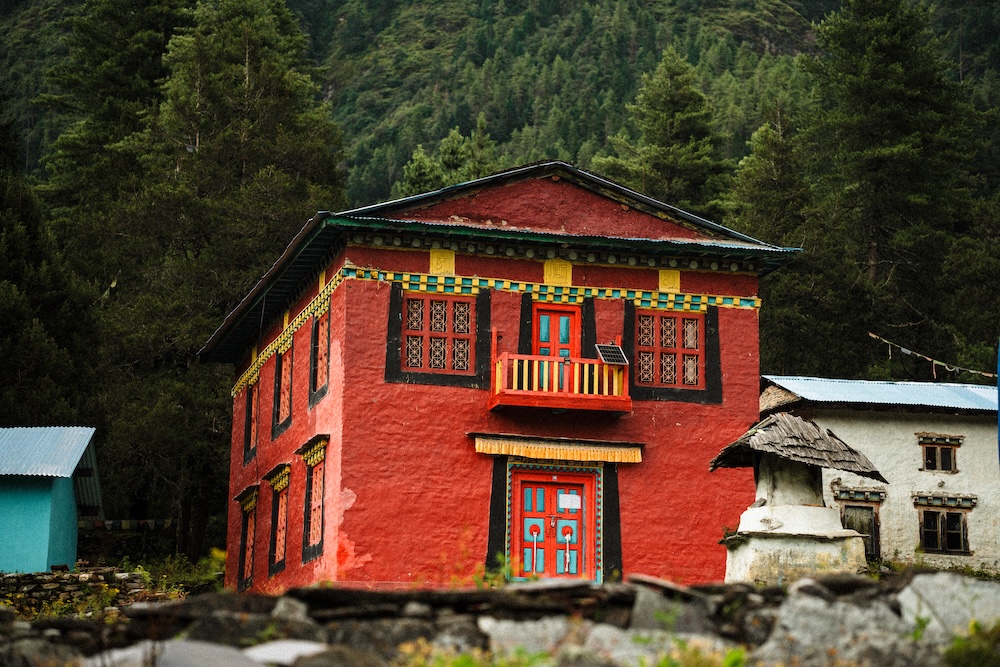
Nearby, the Bonpo Monastery tells a different story. Established in 1997, it teaches Bon religion, the oldest spiritual tradition of Tibet. Students here learn Tibetan herbal medicine. Culture survives where curiosity is encouraged, and this monastery keeps that flame alive.
Walking toward Garpacheda
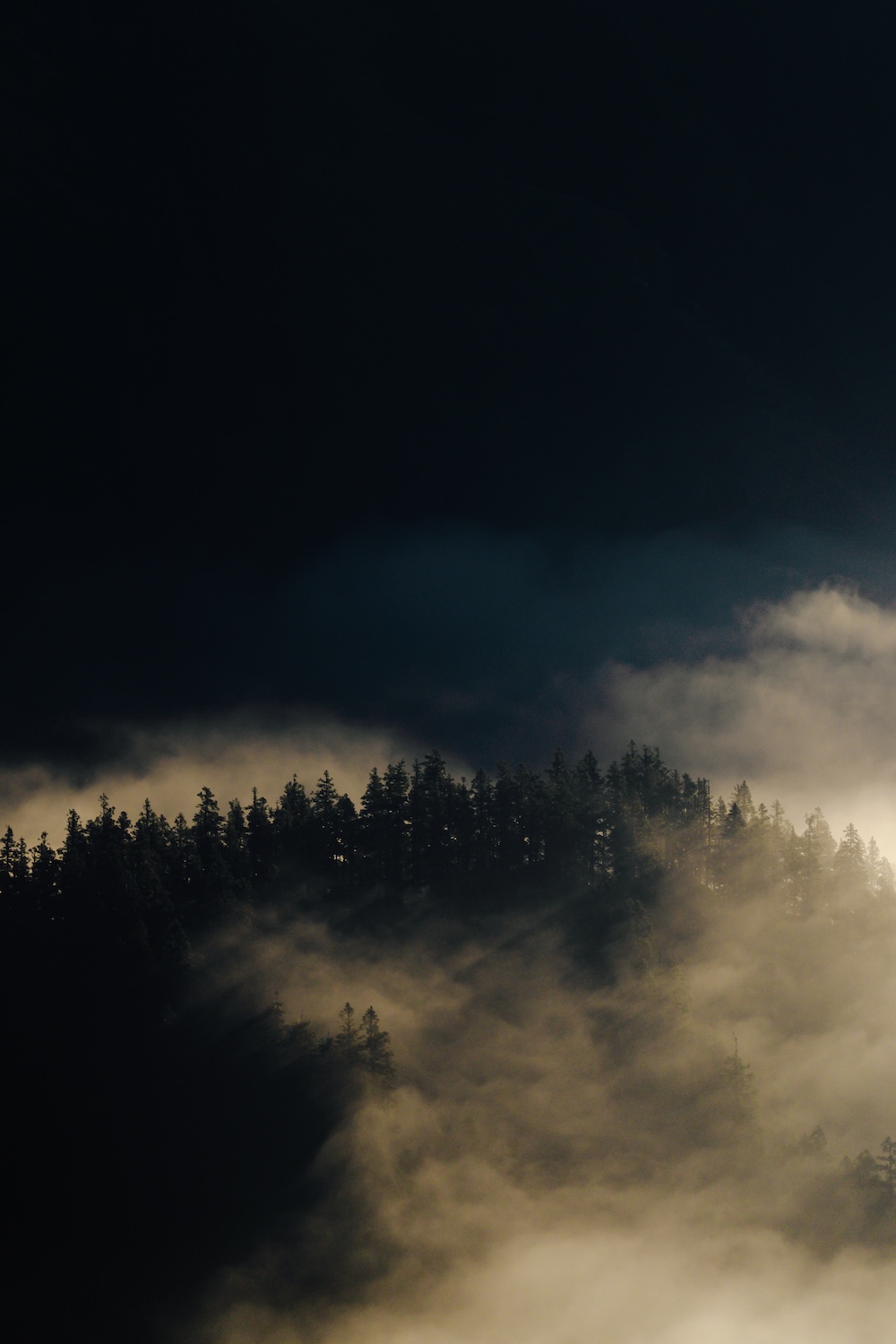
After hours of trekking, reaching Garpacheda felt like stepping into a quiet sanctuary. The silence of its surroundings feels like a blanket. Even the wind slows down to listen. We spent the night learning from locals whose lives are built on strength and patience. They described winters that challenge survival and summers that restore it. Garpacheda showed us that extraordinary strength often lives in places the world rarely notices.
Toward Bukipatan through Tikadhara
As monsoon clouds drift away and autumn colors the hills green, the journey from Garpacheda to Tikadhara reveals the heart of Bukipatan. The name comes from buki flowers that bloom across the landscape turning the grasslands into a natural painting.
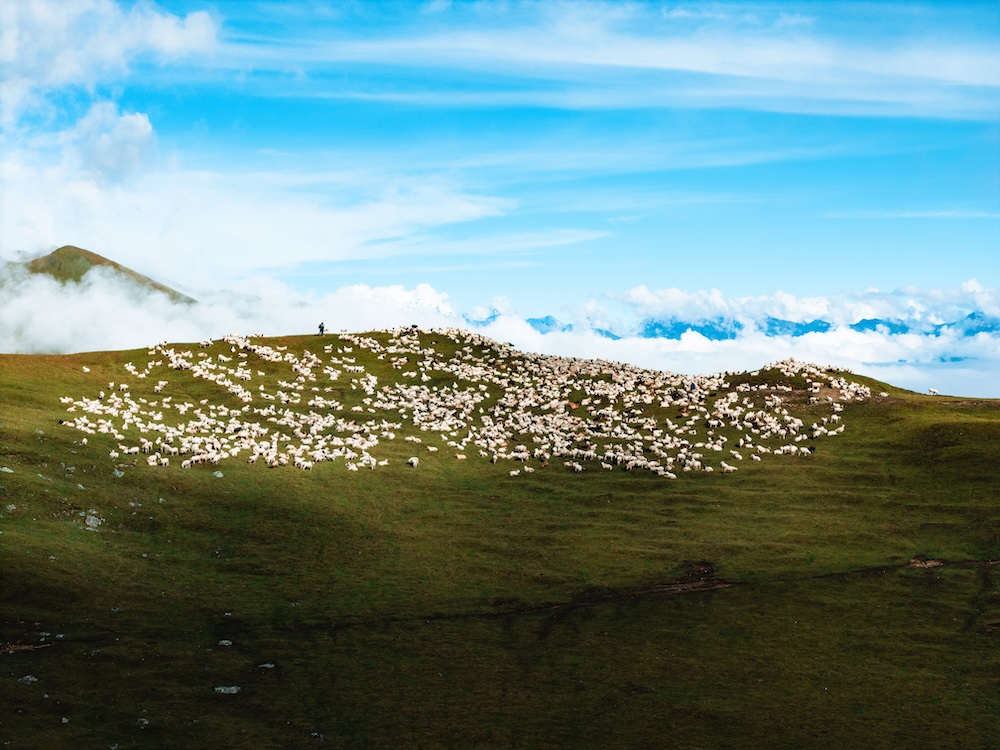
Tikadhara stands 4190 meters above sea level and serves as the gateway to the wide openness of Bukipatan. This is a place without fences or boundaries, where nature invites you to breathe more deeply.
The Shepherd Life
In Bukipatan, life follows the rules of nature. The seasons are not merely changes in weather, they decide where people live and how they survive. When summer arrives, families gather their herds and move upward into the vast open grasslands. Winter reverses everything. The same families descend toward warmer villages, carrying their belongings and hopes for another year.
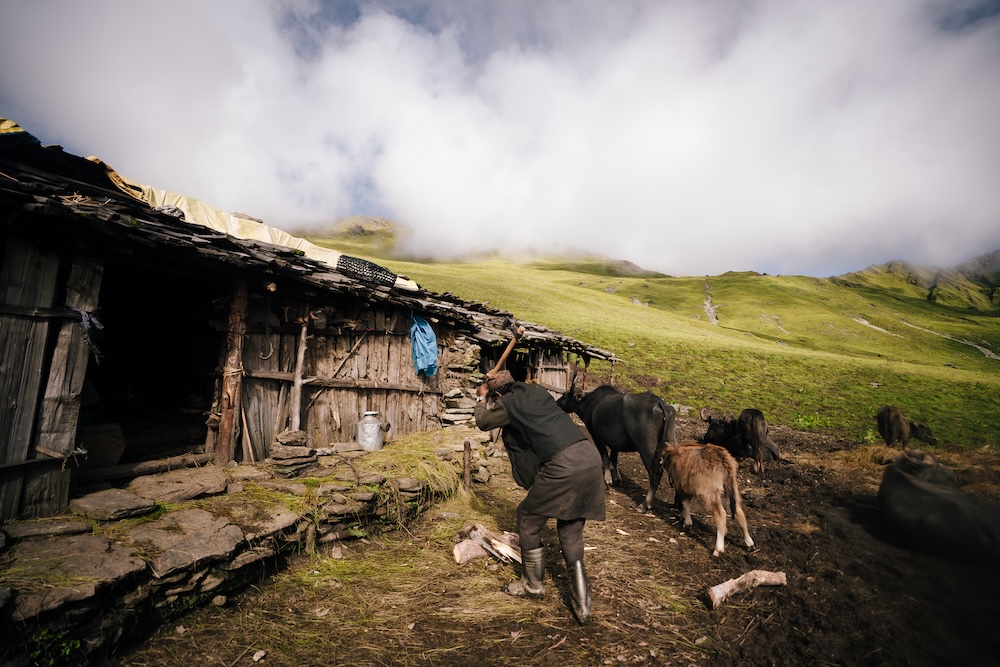
Their homes do not stay rooted in one place. A temporary stone shelter or a wooden hut becomes enough to call home during the months spent in the high pastures. Life is demanding. Days start early, often before sunrise, and revolve around watching over the herds. Hardship is not something they fight against, it is something they accept and endure.
Companion to Shepherd
No one is ever truly alone here, even if the nearest settlement lies many hours away. Loyal Bhote dogs walk side by side with the herders, alert to every sound in the wind. They guard the herds from danger with a bravery that feels almost human. Their companionship and understanding grow not from spoken language but from trust built through survival. In a place where nature decides everything, this bond becomes essential and deeply valued.
What the Journey Taught Us
Our path from Pokhara to Bukipatan through Dhorpatan Hunting Reserve became more meaningful than expected. We found peace in open meadows. We gained memories through shared food and warm hospitality. We learned resilience from people who remain strong where comfort rarely reaches.
Dhorpatan is not just a travel destination. It is a living story of courage, culture, and coexistence. Anyone who reaches here returns with a clearer understanding of freedom, nature, and life itself.
Article By: Puspa Devkota
Photos: Rojin Pathak, Abhishek Dhakal & Suyas Regmi

Comments are closed.