

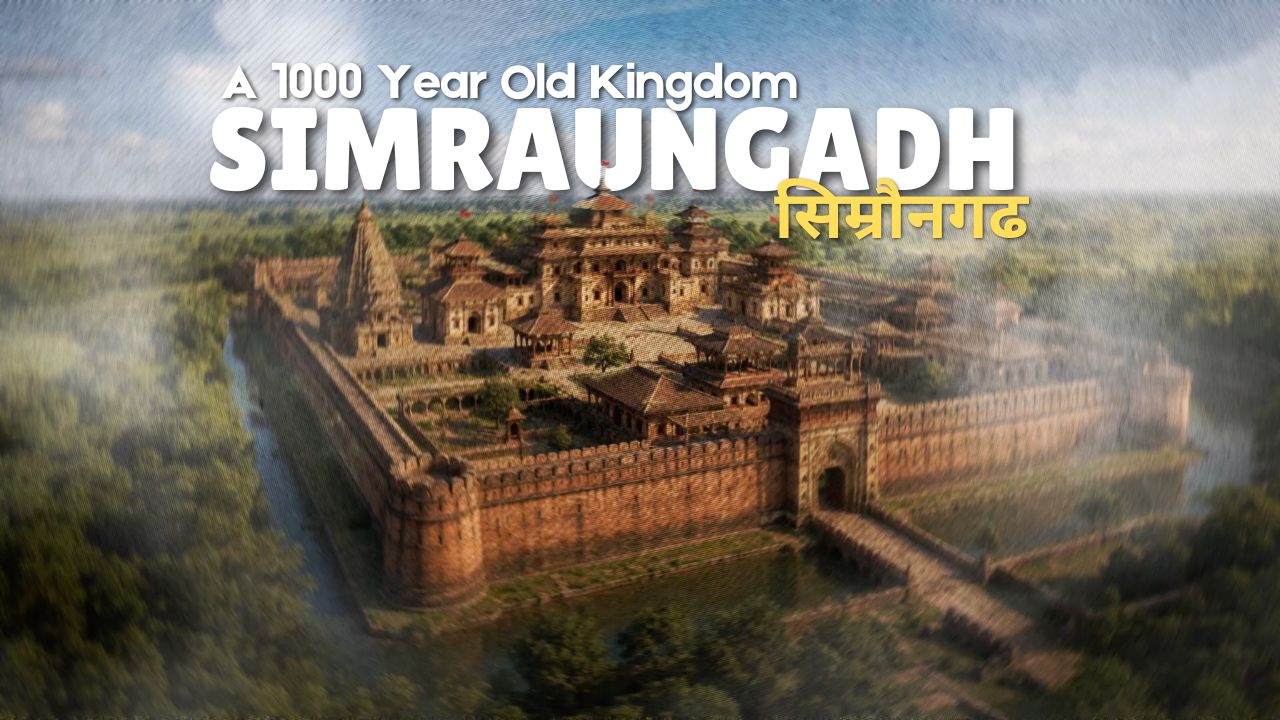
Some cities fall and are forgotten. Others fall and somehow keep speaking through their art, long after the walls have crumbled. Simraungadh is one of the second kinds.
Simraungadh lies in Bara district near Nepal’s border with India which looks like an ordinary Terai town today. But between the 11th and 14th centuries, it was the capital of the powerful Mithila (or Tirhut) Kingdom, a city so well fortified that Tibetan lama Dharmaswami described it as ringed by seven high walls, 21 deep moats, and thick forests of simal trees. Every gate had a bridge, and every bridge had archers guarding it. Some accounts say the city held six hundred thousand houses by the 13th century.
Who Built Simraungadh
The city’s name itself tells a story. In the local dialect, the simal tree was called “simar,” and since the fort stood inside a forest of these trees, it became known as Simar Van Garh, later shortened to Simraungadh.
Its founder, King Nanyadeva, came from South India and is believed to have served as a general in the Chalukya empire before establishing his own rule here in 1096 AD. Being far from both South India and the Nepal Mandala gave him the room to build an independent, secure kingdom. Seven kings of the Karnat dynasty ruled from Simraungadh over the next three centuries, ending with Harisimhadeva.
The Fall That Changed Nepal’s History
Simraungadh’s soldiers, known as the Doya, repeatedly clashed with the Nepal Mandala. Historian Baburam Acharya notes that they attacked during the reigns of both Narasimhadeva and Ramsimhadeva, though the second attempt ended in defeat.
Their real trouble began when they ambushed the army of Sultan Ghiyasuddin Tughlaq as it returned from looting Bengal. Provoking a Delhi Sultanate army turned out to be a costly mistake. In 1326, Tughlaq marched on Simraungadh, filled its moats, tore down its walls, and destroyed its temples and sculptures so thoroughly that the city never recovered.
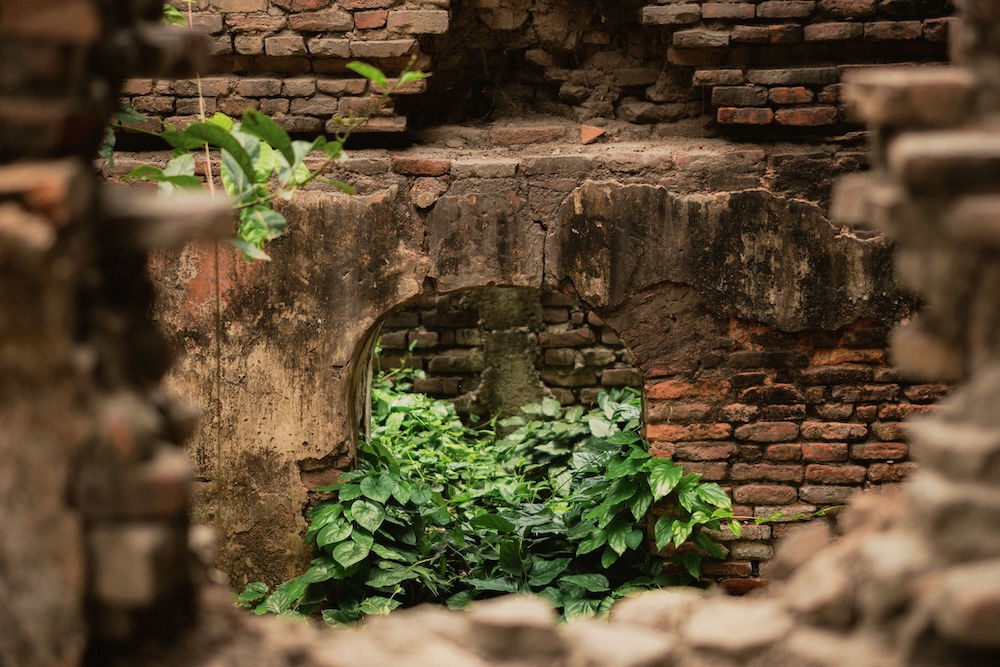
King Harisimhadeva fled with his wife, Queen Devaladevi, and their son toward the Nepal Mandala. Devaladevi, daughter of Bhaktapur’s king Jagatjung Malla, took refuge there and brought along her family deity, Taleju Bhawani. That single act tied Simraungadh’s fate to Kathmandu forever. Taleju Bhawani went on to become one of the most important deities of the Nepal Mandala, and several Malla kings, including Jayasthiti Malla and Pratap Malla, are believed to descend from the Karnat lineage.
What Remains Today
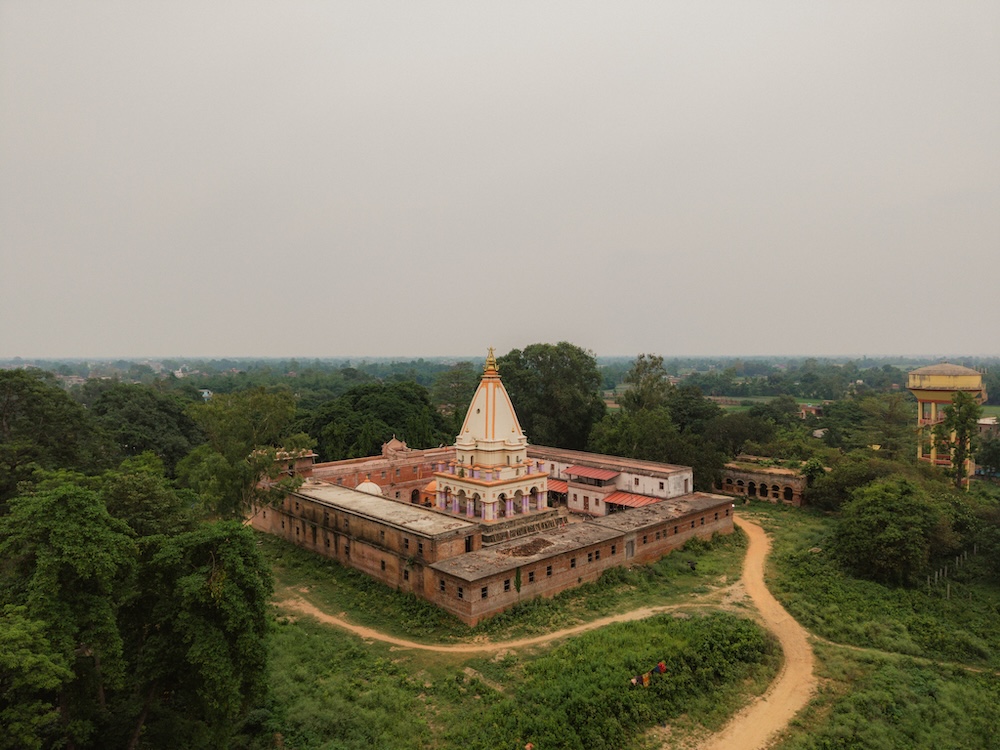
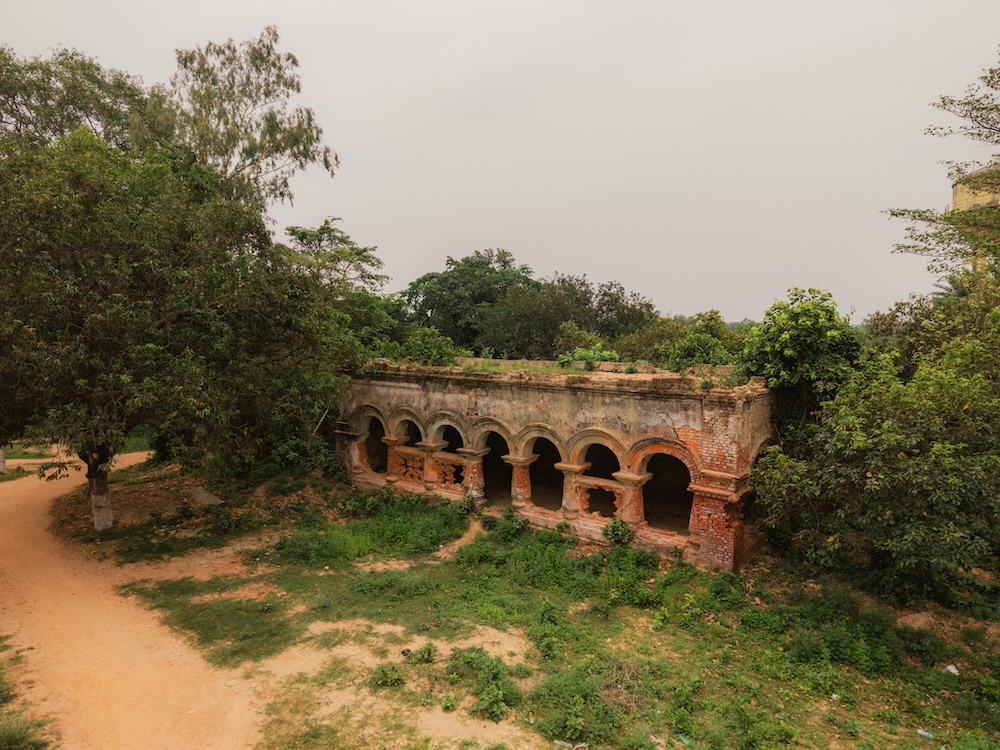
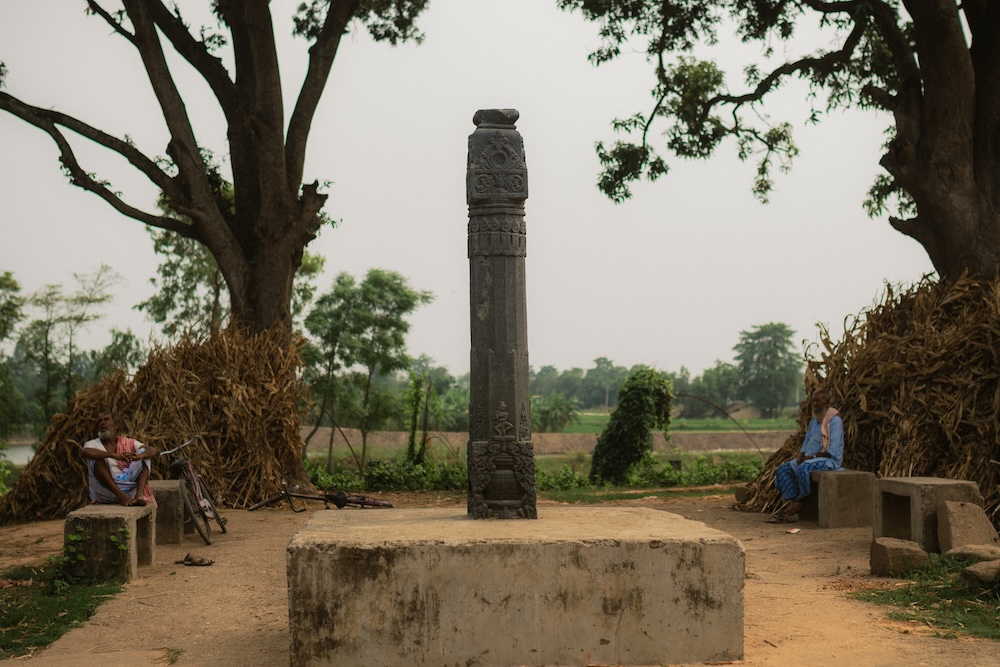
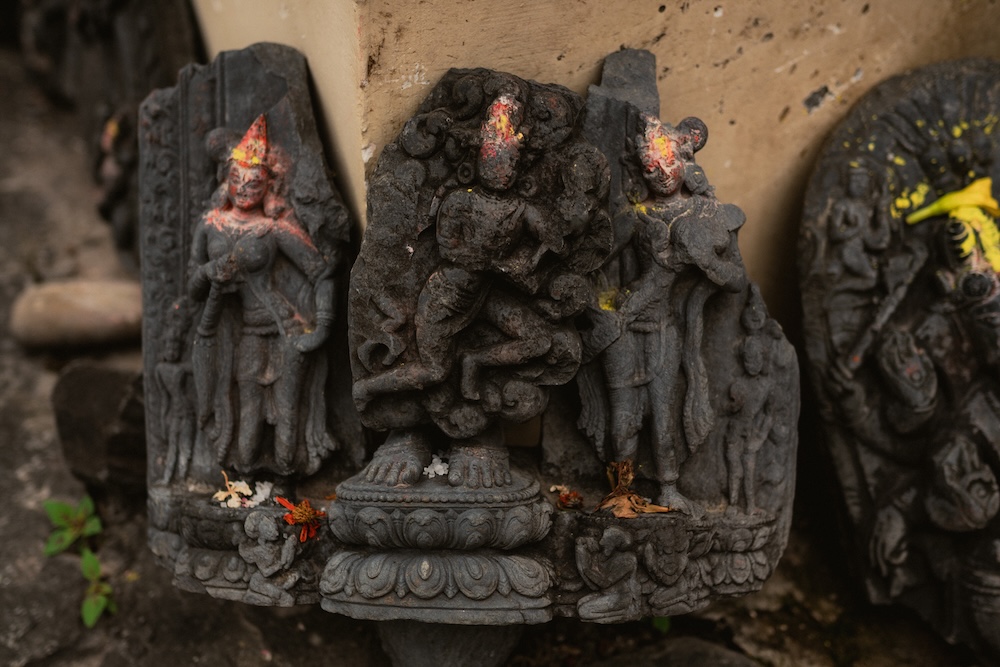
Visit Simraungadh now and you will find scattered bricks, old wells, broken statues, and pillars lying largely unprotected. The Kotwali, once the security post near the main gate, still stands in a battered form. Nearby is a cow shed built by General Jitajung, son of Jung Bahadur Rana, close to where the old palace is believed to have stood.
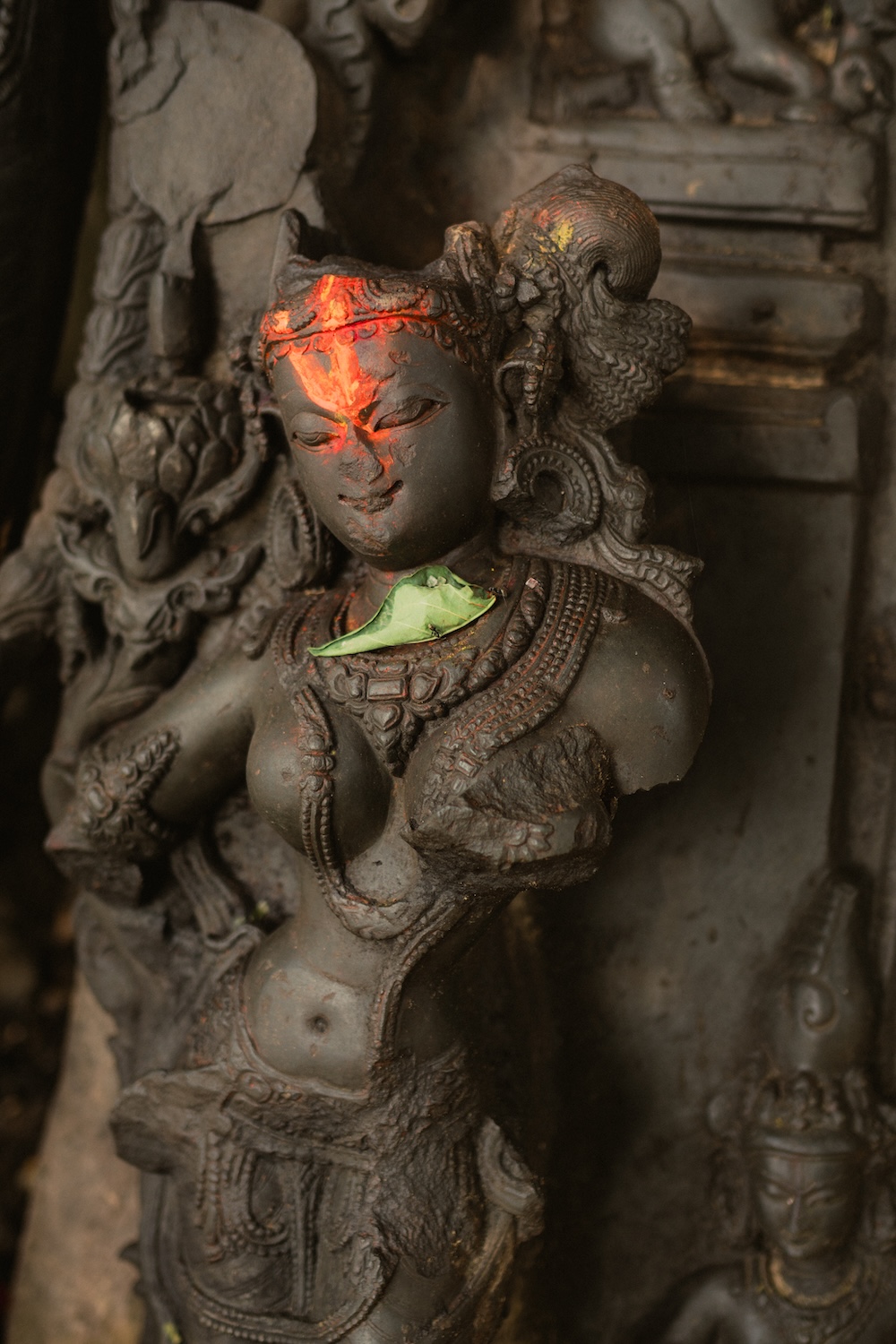
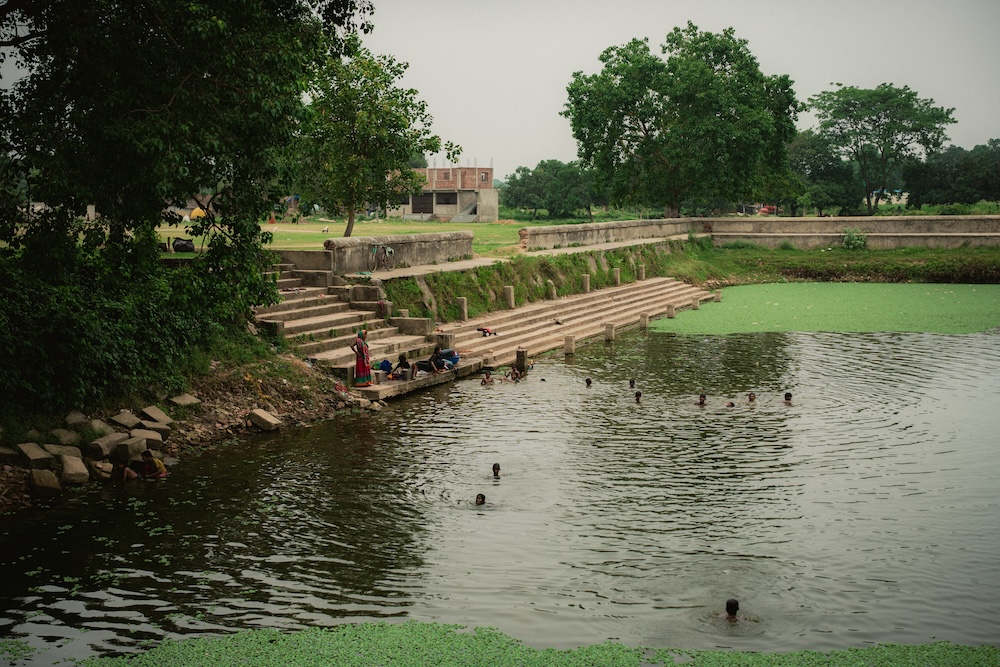
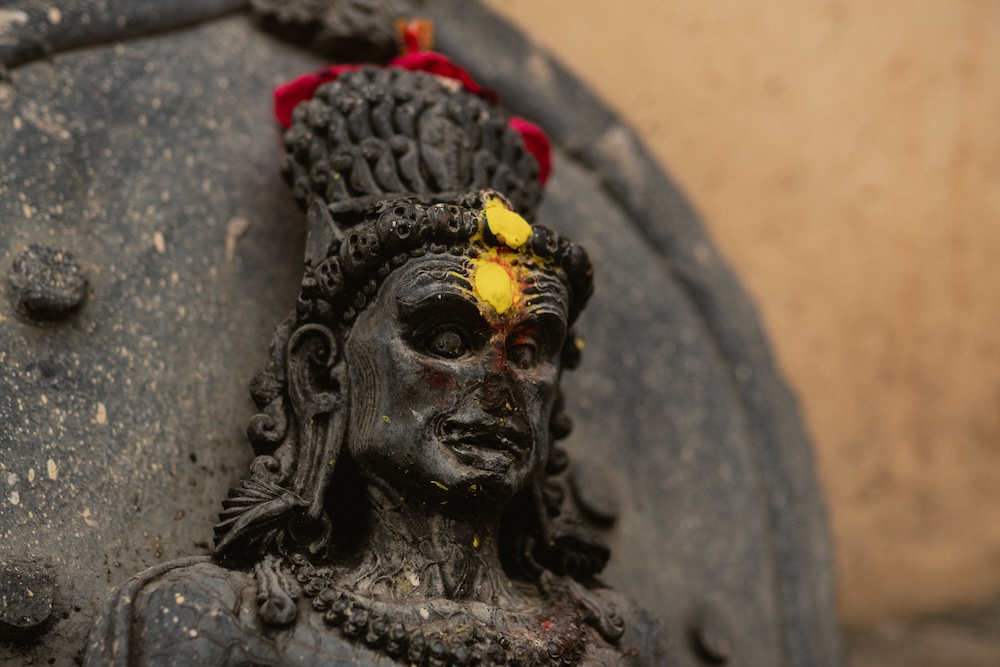
A few sites still carry the city’s memory clearly. The Ram Temple, built by Jitajung in 1935 BS, sits on an older Tirhutiya base. The Kankali Mai Temple houses a black stone idol damaged during Tughlaq’s attack but still worshipped today, and the Ishara Pokhari nearby carries its own local legend of a demon digging the pond in a single night for a king’s beloved.
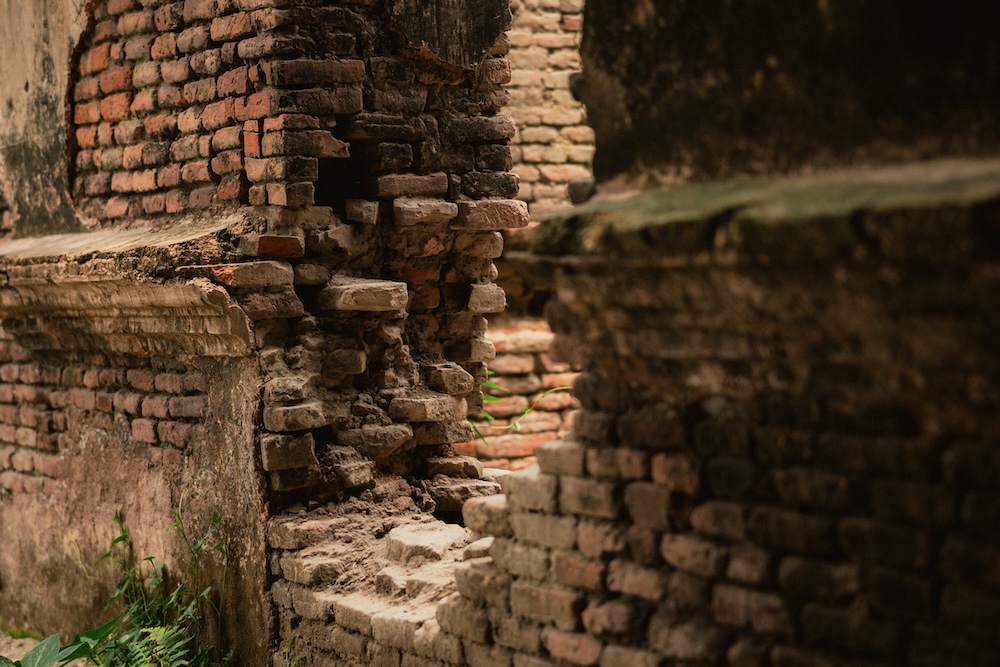
Archaeologists connect Simraungadh’s sculpture style to the Pala and Sena era art of Bihar and Bengal, particularly through the lotus motifs at the base of the statues. It is this art, more than any surviving building, that keeps Simraungadh recognizable as a civilization rather than just a mound of earth.
From Simraungadh to Janakpur: Two Halves of Mithila’s Story
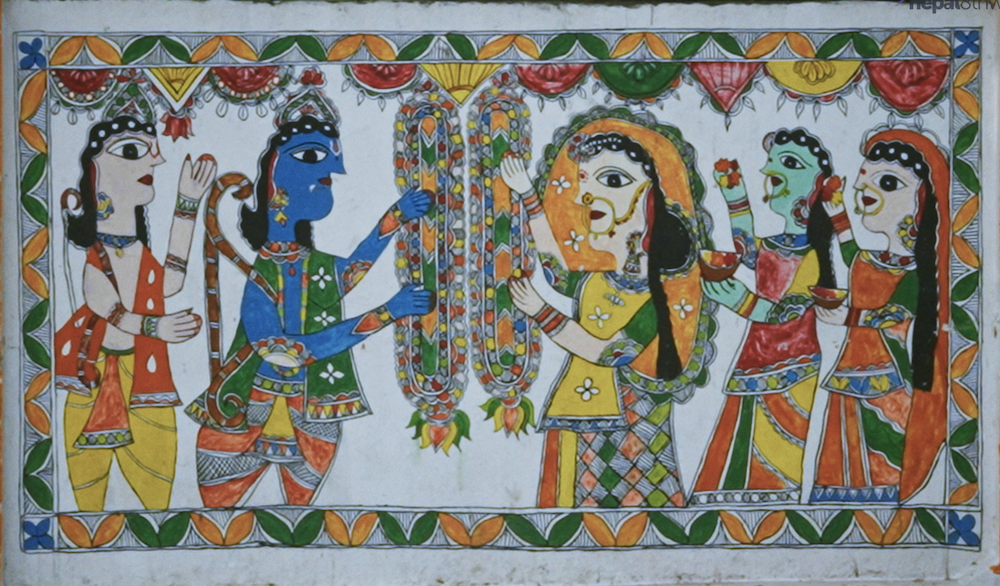
If Simraungadh represents the modern history of Mithila, Janakpur represents its Vedic roots. According to legend, King Janak once asked the women of his city to paint for the wedding of Lord Ram and Sita, and that tradition became what we now know as Mithila painting.
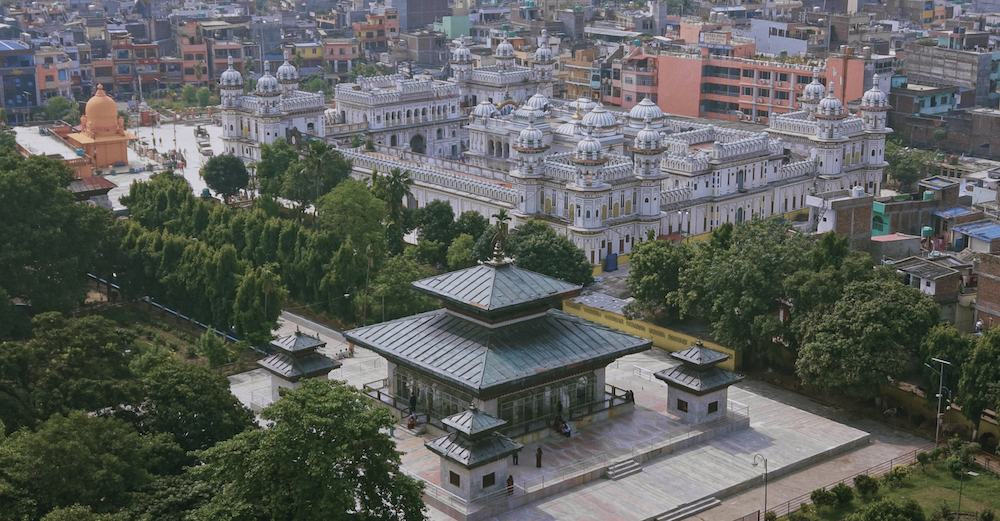
At the Janakpur Women’s Development Center, founded in 1991, this art form has become something bigger than decoration. In Madhesh Province, more than half of women lack formal education, and only about 18 percent of women are employed, most of them informally. Mithila painting, once confined to walls and kitchen pots, has become a genuine source of income and independence for many of these women, carrying centuries old imagery into homes and galleries far beyond Nepal.
Why Simraungadh Still Matters
Simraungadh’s story is really about what survives when everything visible is gone. No grand palace remains, no throne room, no city walls worth photographing. Yet through scattered statues, temple fragments, and a painting tradition carried forward by women three provinces away, this “vanished” kingdom is still, in its own quiet way, alive.
If you are tracing Nepal’s medieval history, pairing a visit to Simraungadh with Janakpur gives you the fullest picture of the Mithila Kingdom, one site showing its political rise and fall, the other showing the art and faith that outlasted it.
Article By: Puspa Devkota
Photos: Nepal8thwonder

Comments are closed.