

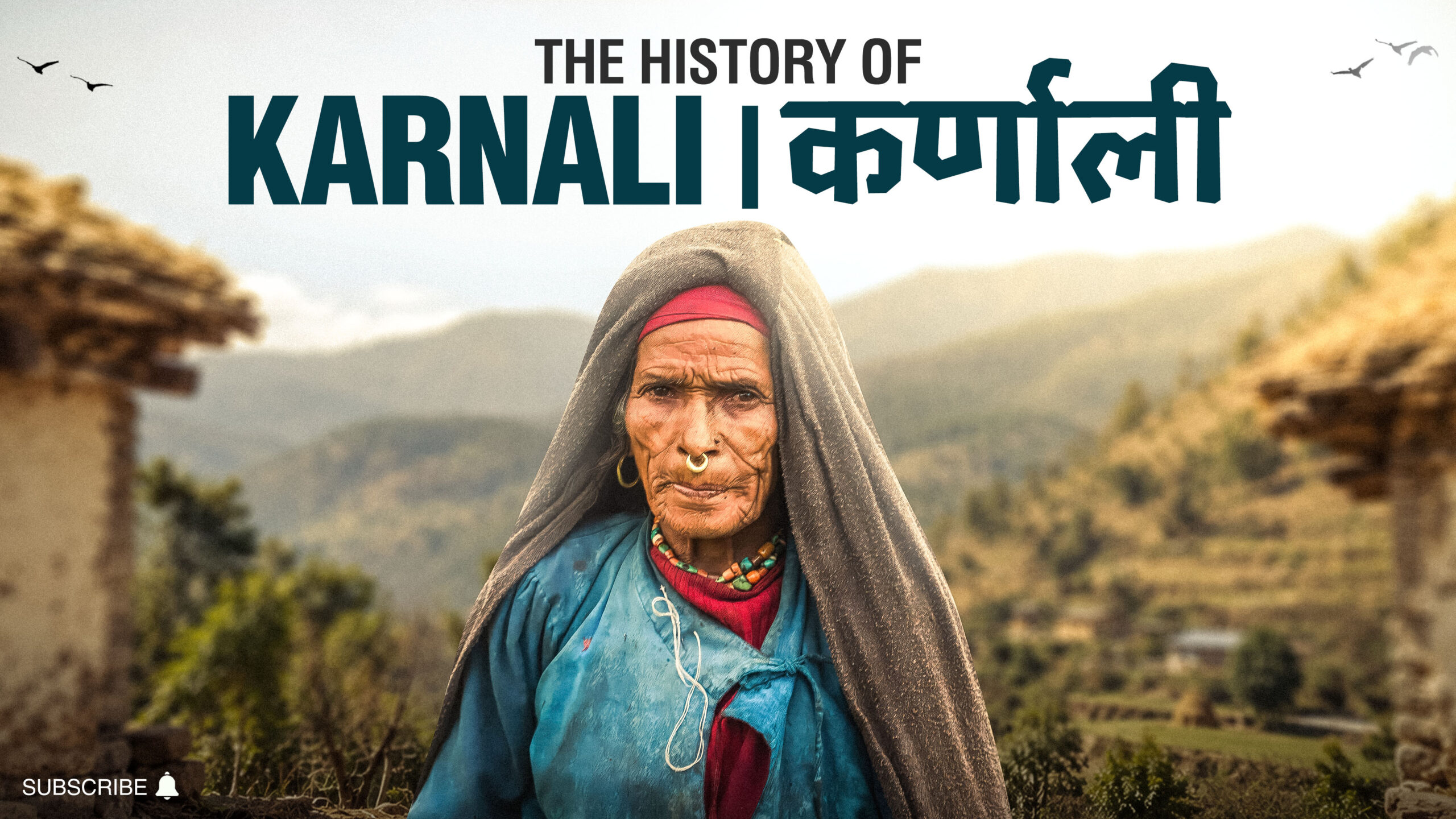
Nepal’s history extends far beyond the political boundaries established during its unification. Long before the emergence of modern Nepal, different kingdoms, languages, and civilisations flourished across its hills and mountains. Among them, the Khasa Kingdom holds a particularly important place in the history of western Nepal. Its political influence, cultural legacy, and linguistic contributions can still be traced through the historical remains of Dailekh and the settlements of Sinja Valley in Jumla.
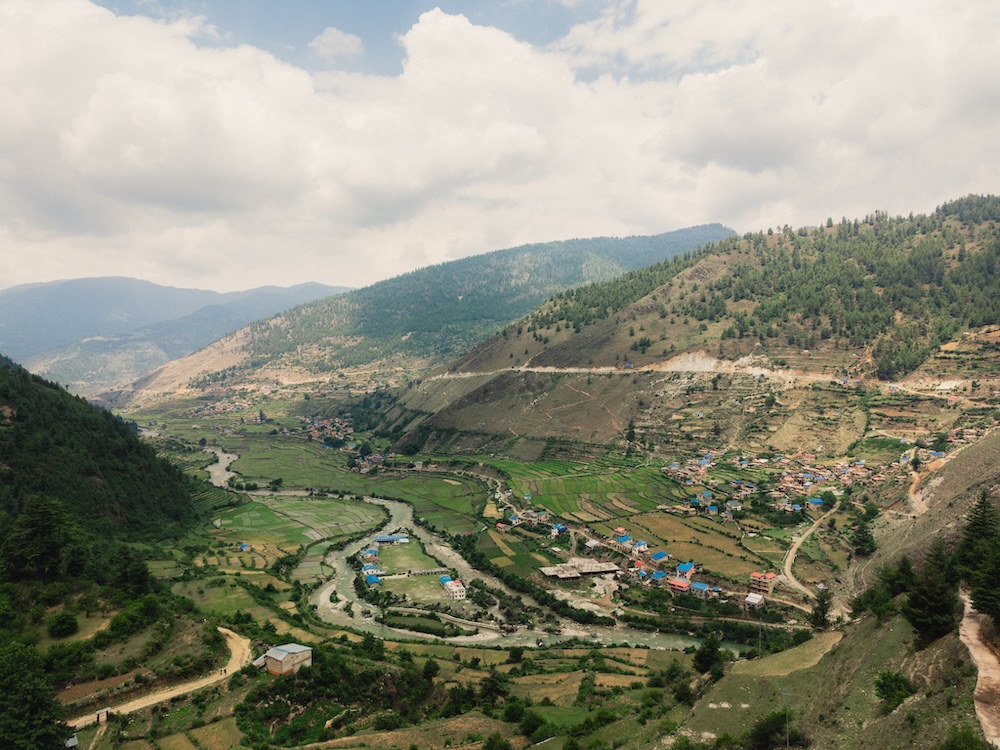
While Kotgadhi reflects the political transformations that followed the fragmentation of the Khasa Kingdom, Sinja represents the historical and cultural foundations of the civilisation that preceded them.
Kotgadhi: A Fort Reflecting the Political History of Dailekh
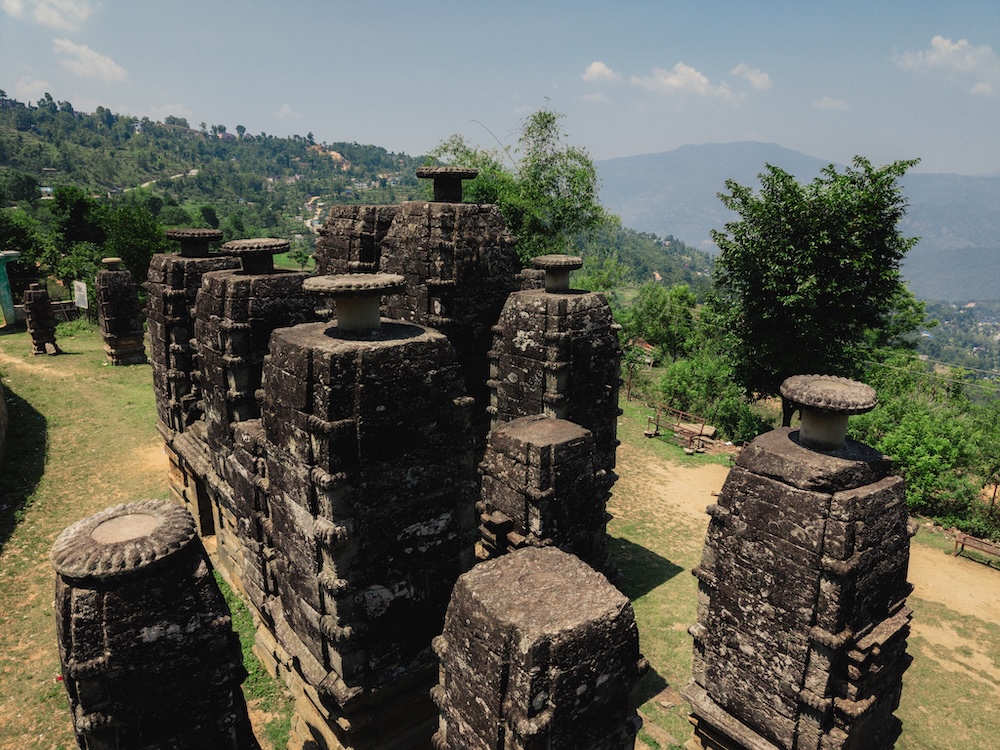
Located in the old marketplace of Dailekh, within Narayan Municipality Ward No. 1, Kotgadhi is a historical military fort associated with the expansion of the Gorkha Kingdom into western Nepal. The term ‘Kot’ refers to a fortified military structure or armoury. The fort is believed to have been constructed as part of Gorkha’s military campaign against the Baise states, the group of principalities that emerged following the decline of the Khasa Kingdom.
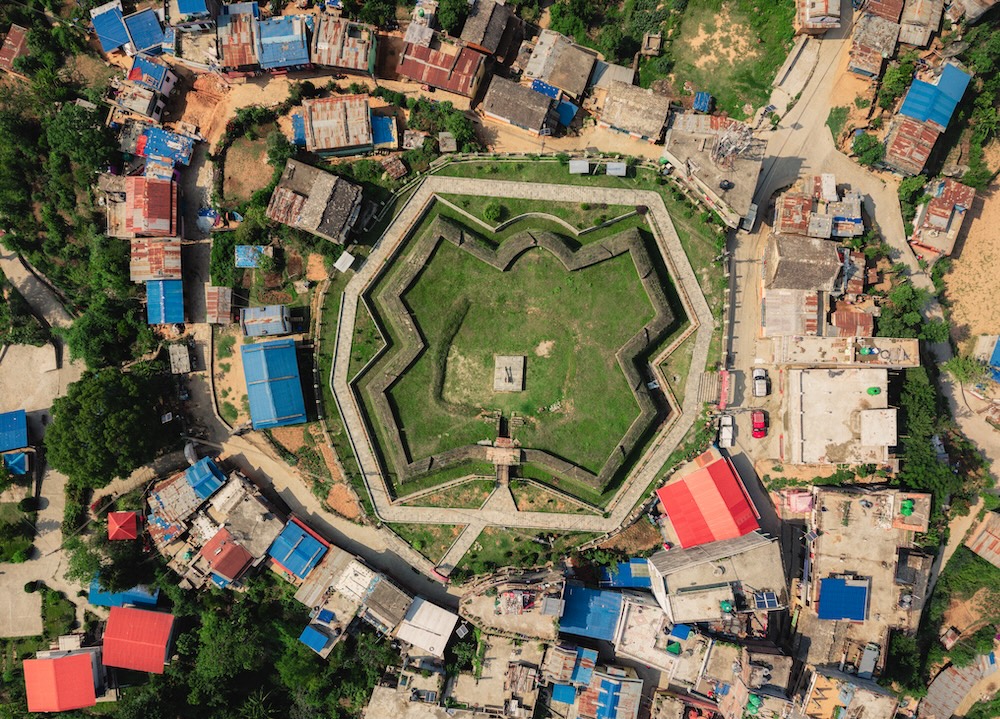
The fort’s architecture reflects its defensive purpose. A deep trench surrounds the structure, while its stone walls rise approximately two metres above the interior ground level. With a perimeter of around 672 metres, the fort features 13 triangular openings along its walls, designed to allow surveillance and defensive positioning against external threats. These features provide an indication of the military planning and strategic considerations behind its construction.
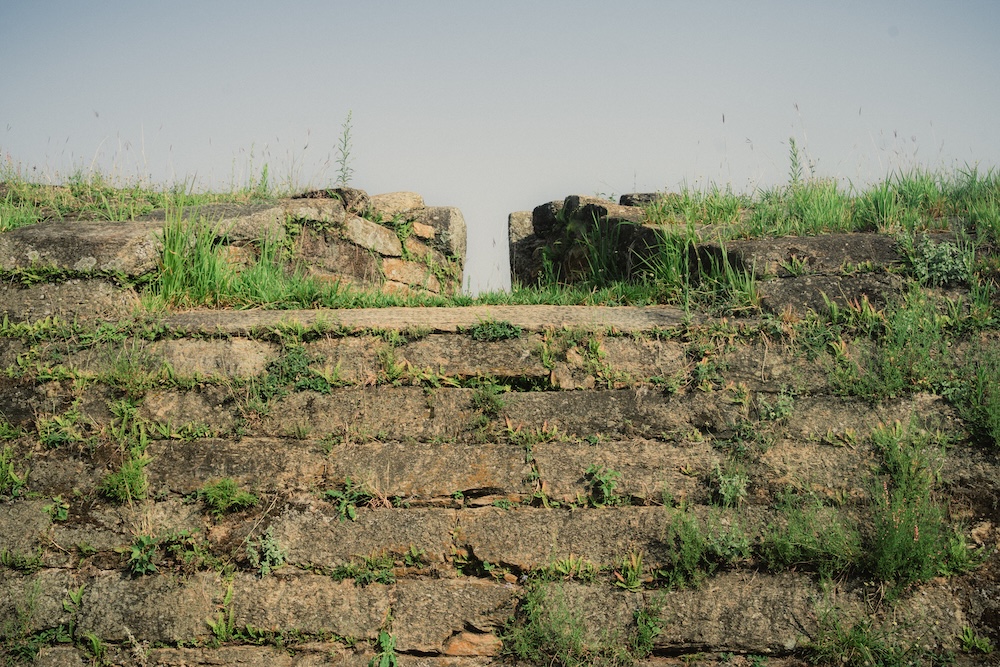
Today, Kotgadhi stands surrounded by residential houses and the expanding settlement of Dailekh’s old marketplace. Although the structure remains preserved, its historical significance has not received the level of conservation, restoration, and public attention it deserves. Its presence within an increasingly urbanised settlement also raises questions about how historical structures can be protected while accommodating the development of surrounding communities.
From the Khasa Kingdom to the Baise States
The history of western Nepal is closely associated with the rise of the Khasa Kingdom, one of the most influential medieval kingdoms in the Himalayan region. Its origins are traditionally traced to King Nagaraja, who established his rule in the western Himalayan territories around the twelfth century.
At its height, the kingdom extended across a vast geographical area, traditionally described as stretching from the Gandaki region towards the Sutlej River. Its territories also included important religious and geographical locations such as Kailash and Mansarovar. The kingdom maintained connections with Tibet, and Tibetan religious and cultural influences became part of its historical development.
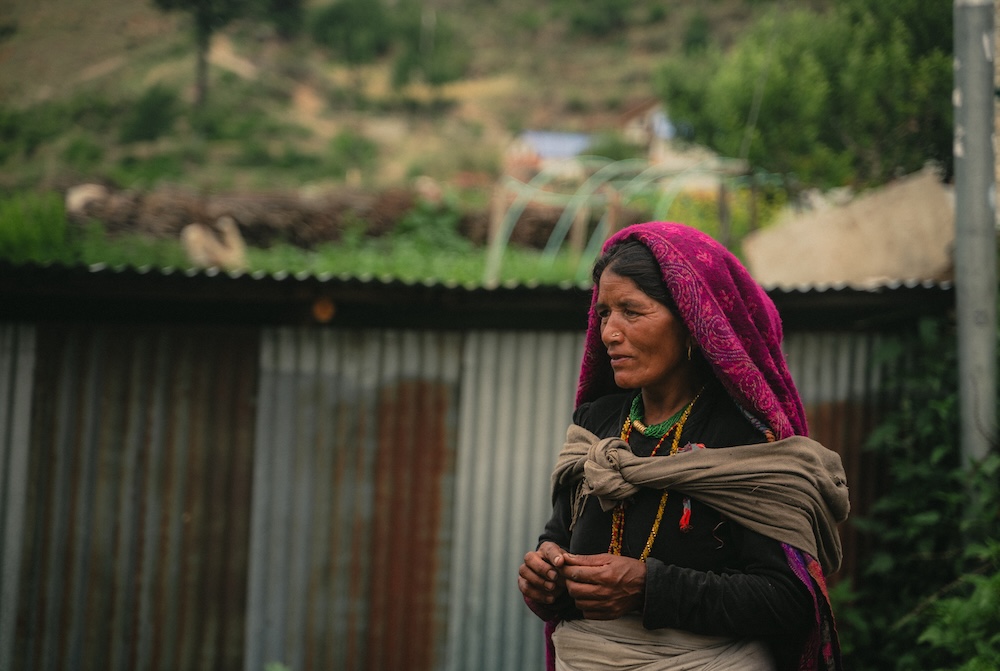
The Khasa Kingdom reached considerable political prominence under rulers such as Ashok Challa. During this period, Sinja served as its summer capital, while Dullu functioned as its winter capital. These two locations therefore occupied important positions within the kingdom’s political and administrative structure.
However, towards the end of the thirteenth century, the kingdom gradually fragmented into smaller principalities. This political transformation led to the emergence of the Baise and Chaubise states, which became prominent features of western Nepal’s political landscape.
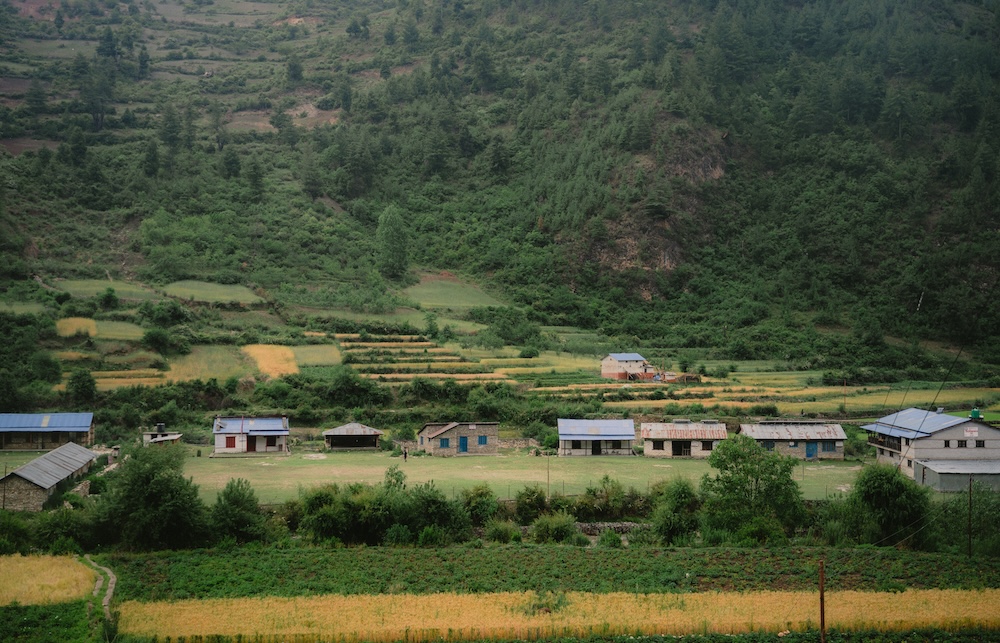
One of these principalities was Belaspur, established in Dailekh in Bikram Sambat 1775 by Sri Vamma, the son of the Khasa ruler Sansari Vamma, according to historical accounts presented in the region. Its territories extended across parts of present-day western Nepal, with geographical boundaries defined by neighbouring states and natural features.
Kotgadhi belongs to the historical narrative of these changing political territories. Its association with Gorkha’s military expansion illustrates how the political landscape of western Nepal continued to transform long after the decline of the Khasa Kingdom.
Sinja Valley: The Historical Cradle of the Nepali Language
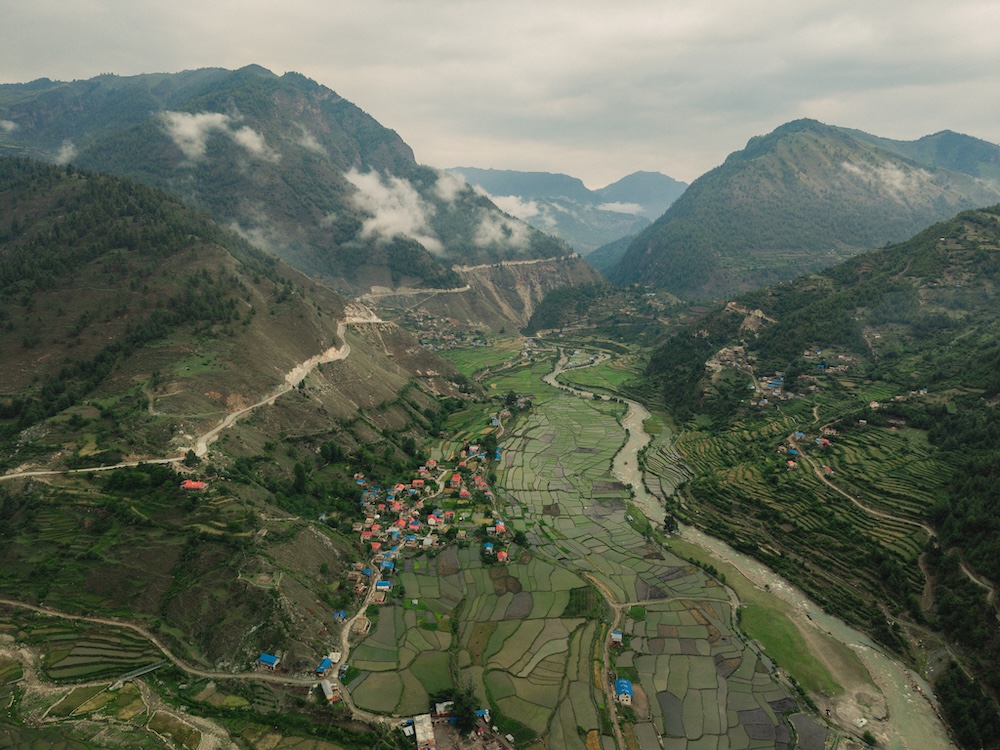
Situated in Jumla district of Karnali Province, Sinja Valley occupies a distinctive position in Nepal’s linguistic and cultural history. Its importance extends beyond its association with the Khasa Kingdom. The valley is widely recognised as one of the principal historical centres associated with the development of the Nepali language.
Local traditions attribute the establishment of the Sinja Kingdom to King Jalandhar. One popular account connects the name Sinja to the combination of the first syllable of Shiva’s name and the first syllable of Jalandhar’s name. While such accounts form part of local historical traditions, the valley’s broader significance is established through its archaeological remains, inscriptions, and linguistic heritage.
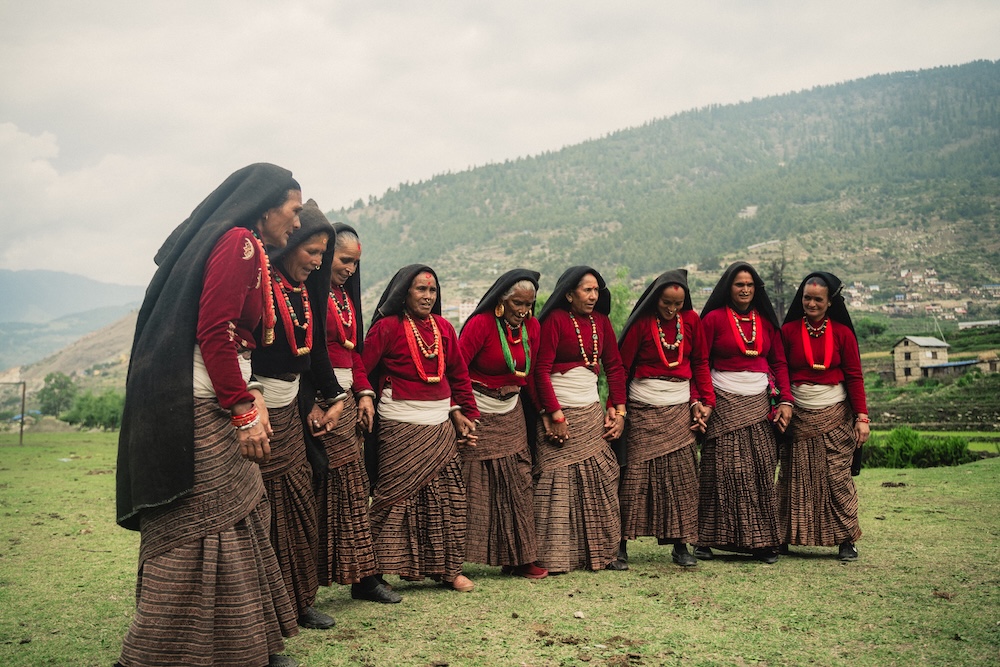
The Khasa language, historically associated with the Khasa Kingdom, is closely connected to the development of modern Nepali. Its historical form survives in the Jumli Khas language spoken in the region. The linguistic heritage of Sinja provides an important link to the evolution of the language spoken by millions of people across Nepal today.
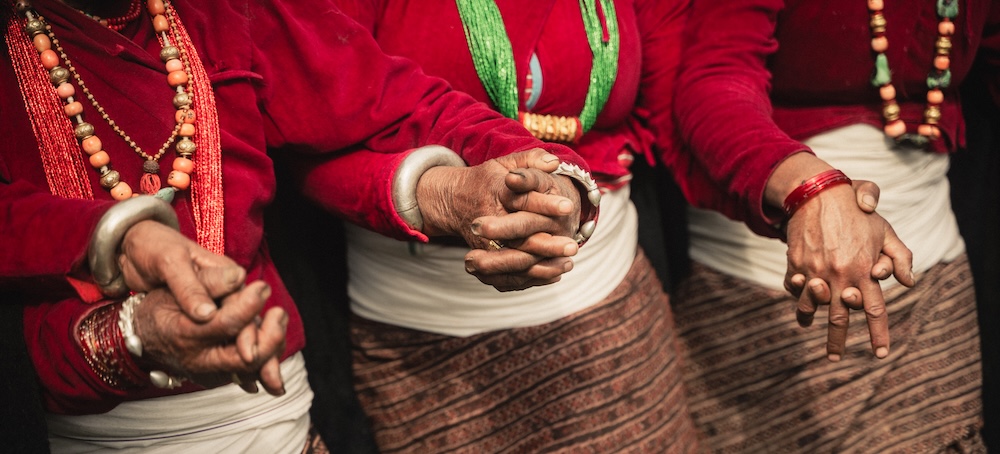
The history of the Nepali language also reflects the movement of political power across the region. Its subsequent institutionalisation under the Gorkha Kingdom helped establish it as a language of administration and governance. Nepal’s political unification therefore brought together not only territories but also linguistic and cultural traditions that had developed over centuries.
Agriculture, Trade and the Everyday Life of Sinja
Sinja’s historical importance cannot be understood through its political and linguistic contributions alone. Its geography and agricultural landscape also played a significant role in sustaining the civilisation that developed there.
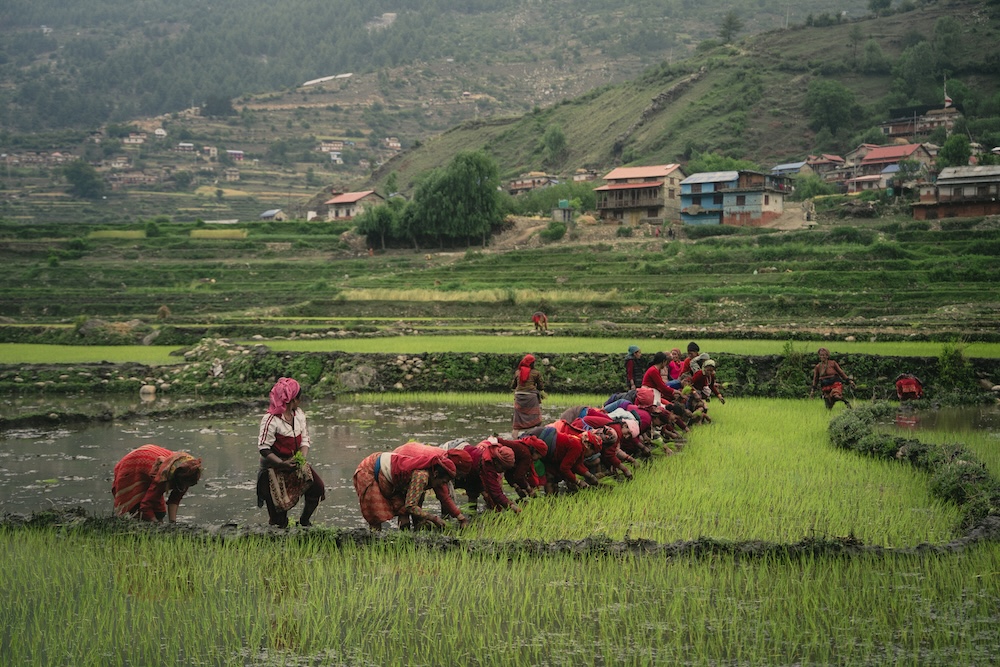
The valley’s relatively fertile land supported the cultivation of crops such as rice, wheat, and barley. Historically, Sinja also served as an important agricultural supply centre for surrounding regions, including Humla and Mugu. Its position along trans-Himalayan trade routes connected communities across the Himalayan region, with agricultural products exchanged for goods brought from Tibet.
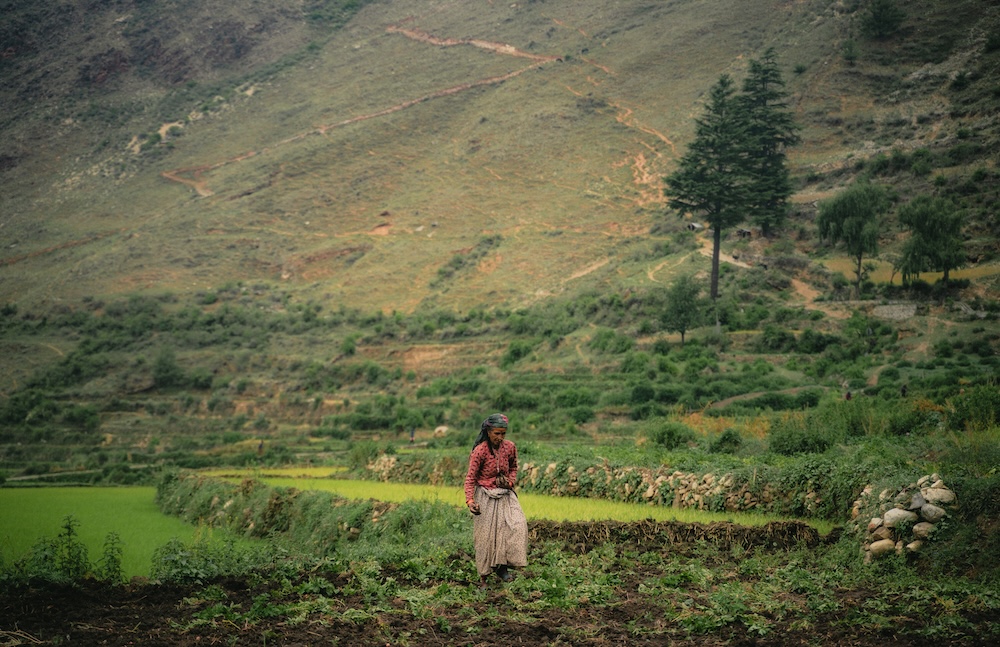
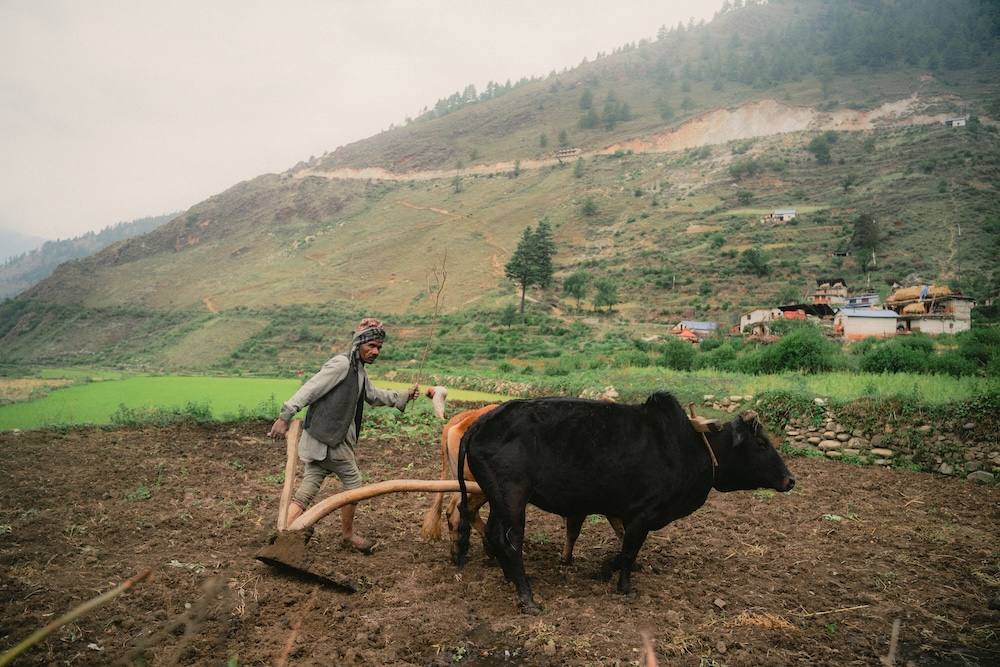
Agriculture and livestock farming continue to shape the local economy. Traditional cultivation practices, irrigation systems, and community cooperation remain important aspects of everyday life. Marshi rice and apple farming are among the agricultural activities associated with the region, connecting subsistence-based livelihoods with wider markets.
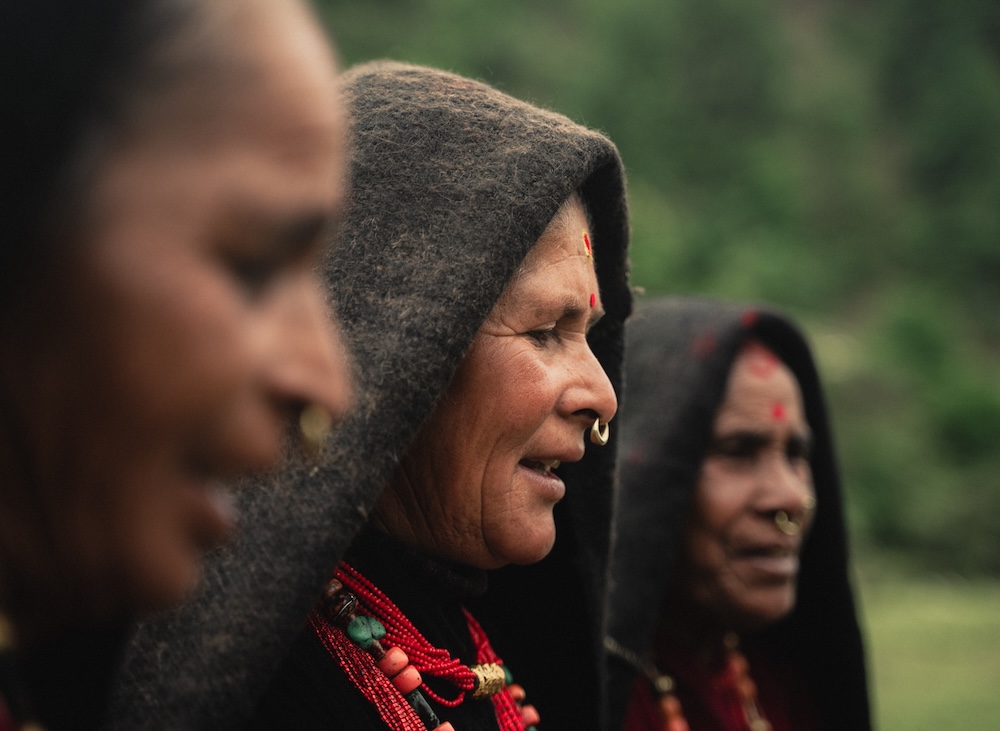
The cultural identity of Sinja is equally visible in its music and traditions. Folk performances such as Jhora, Maagal, and Deuda reflect the community’s social and religious practices. These traditions preserve forms of collective expression that have been passed between generations. They also demonstrate how language, music, agriculture, and social customs contribute to the continuity of a regional civilisation.
Sinja Valley Today: Heritage, Development and the Future
Despite its historical significance, Sinja remains a living settlement rather than simply a historical destination. Its villages, agricultural fields, traditional houses, and cultural practices continue to define the valley’s identity.
The expansion of the Karnali Highway has improved its connection with other parts of Nepal, creating greater opportunities for trade, mobility, and access to modern facilities. Agricultural production has also gained improved access to external markets. These developments have gradually connected the valley to wider economic and social networks.
Nevertheless, geographical isolation and limited infrastructure continue to influence the quality of life in the region. Access to essential services, particularly education and healthcare, remains an important consideration for its long-term development.
The challenge for Sinja is therefore not simply to preserve its historical appearance but to protect the cultural practices and community structures that give the valley its identity. Development and heritage conservation need not be opposing objectives. Better infrastructure, education, healthcare, and economic opportunities can strengthen local communities while allowing their cultural traditions to continue.
Understanding Nepal Through Its Historical Landscapes
The journey from Kotgadhi to Sinja reveals different layers of western Nepal’s history. Kotgadhi represents the political transformations that followed the fragmentation of the Khasa Kingdom, while Sinja preserves the linguistic, cultural, and agricultural heritage of the civilisation that preceded those changes.
Together, these places provide a broader understanding of Nepal’s historical development. They demonstrate that the country’s identity was shaped not by a single kingdom or a single moment of political unification, but by centuries of regional histories, cultural exchanges, and evolving institutions.
Preserving these historical landscapes requires more than maintaining old structures or documenting archaeological remains. It also means recognising the communities, languages, and traditions that have sustained them. In this respect, Kotgadhi and Sinja are not merely reminders of a distant past. They remain important parts of Nepal’s living historical and cultural heritage.
Article By: Puspa Devkota
Photos: Nepal8thwonder Team

Comments are closed.