

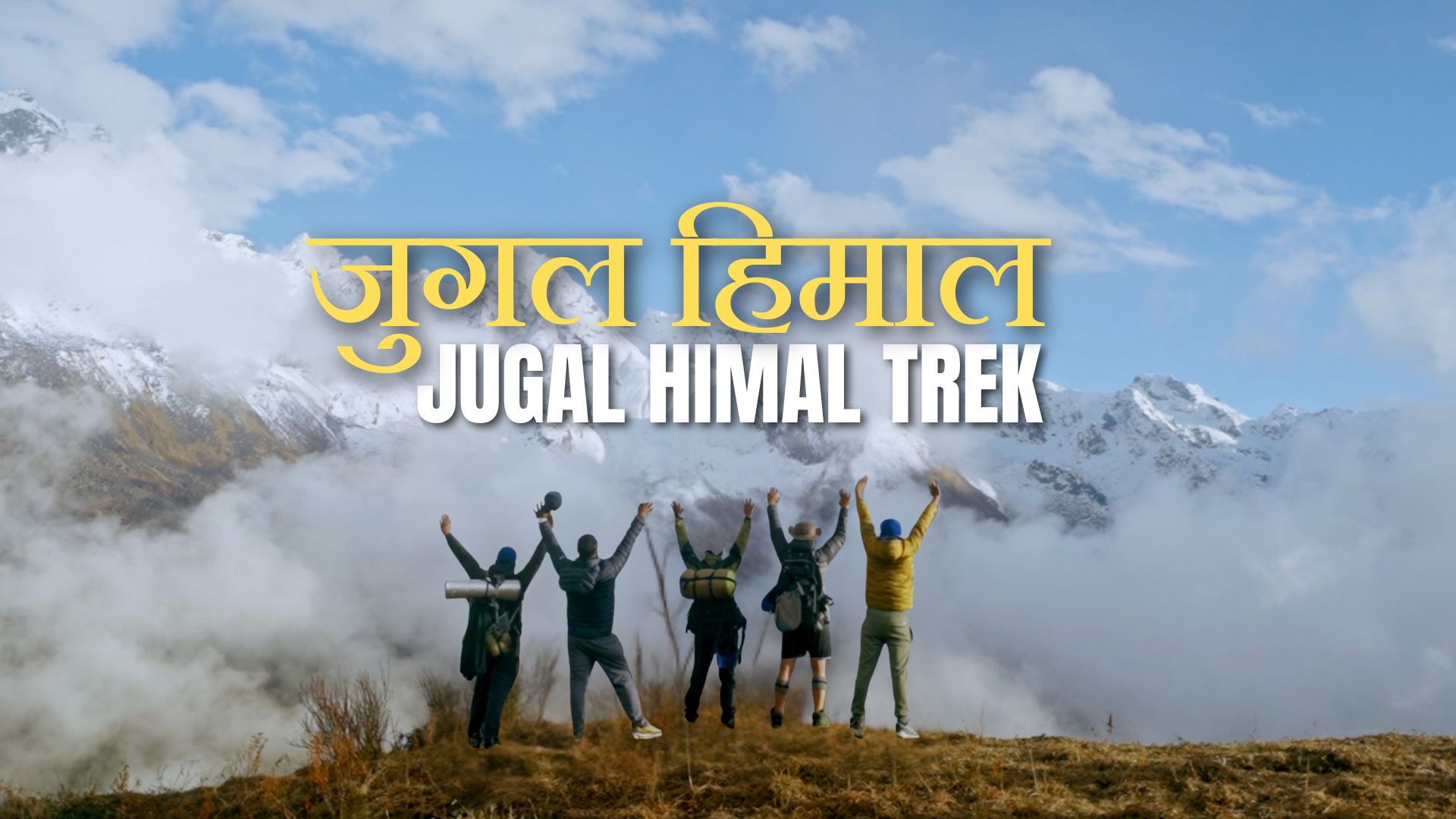
JUGNepal is often described as a tapestry of struggle and sublime beauty, a land where modern life slowly dissolves into mountain solitude just a few hours from the bustling capital. Among its lesser-known treasures lies Jugal Himal, a pristine Himalayan range located only 140 kilometres from Kathmandu. Despite this proximity, Jugal Himal has long remained off the radar for most trekkers. Today, through the efforts of committed local communities and conservation-focused organisations, this hidden landscape is beginning to emerge as a destination for those seeking both spiritual depth and raw adventure.
This blog explores the journey into the heart of Sindhupalchowk, the role of the Jugal Tourism Promotion and Environment Conservation Forum (JTPEcF-Nepal), and the sacred trails believed to echo the footsteps of ancient Himalayan masters.
Contents
The Gateway to Jugal Himal: Chautara
The journey begins with a gradual transition from Kathmandu’s crowded streets to the quieter rhythms of Sindhupalchowk District. Named after the Sindhu River and the revered Palchowk Bhagwati, the district spans 2,442 square kilometres, stretching from mid-hills to the high Himalayan frontier.
Chautara village, the entry point of Jugal Himal in Sindhupalchowk.

At an elevation of 1,418 metres, Chautara, the district headquarters, serves as the primary gateway. More than a logistical stop, Chautara carries historical and cultural significance. During Nepal’s unification, Prithvi Narayan Shah established a fort here, lending the area its full name: Chautara Sangachokgadhi. If your visit coincides with Kartik Purnima (October–November), you may witness the Gaurati Bhimsen Mela, the largest fair in the district. Local lore traces its origin to a cow that mysteriously offered milk each night to a hidden Bhimsen idol.
For trekkers, Chautara functions as the final urban checkpoint, providing basic services before the trail ascends toward Jugal Himal and Panch Pokhari.

JTPEcF-Nepal: Where Conservation Meets Tourism
A defining force behind the revival of Jugal Himal is the Jugal Tourism Promotion and Environment Conservation Forum Nepal (JTPEcF-Nepal). Rooted in a deep respect for the mountains, the organisation works to balance tourism development with environmental protection.
JTPEcF-Nepal promotes responsible trekking, emphasising that harming nature is equivalent to harming one’s own home. A milestone came in 2023, when the Government of Nepal officially opened Jugal Himal for climbing permits, a long-advocated step aimed at boosting local livelihoods and sustainable tourism.
The Spiritual Trail: In the Footsteps of Guru Rimpoche
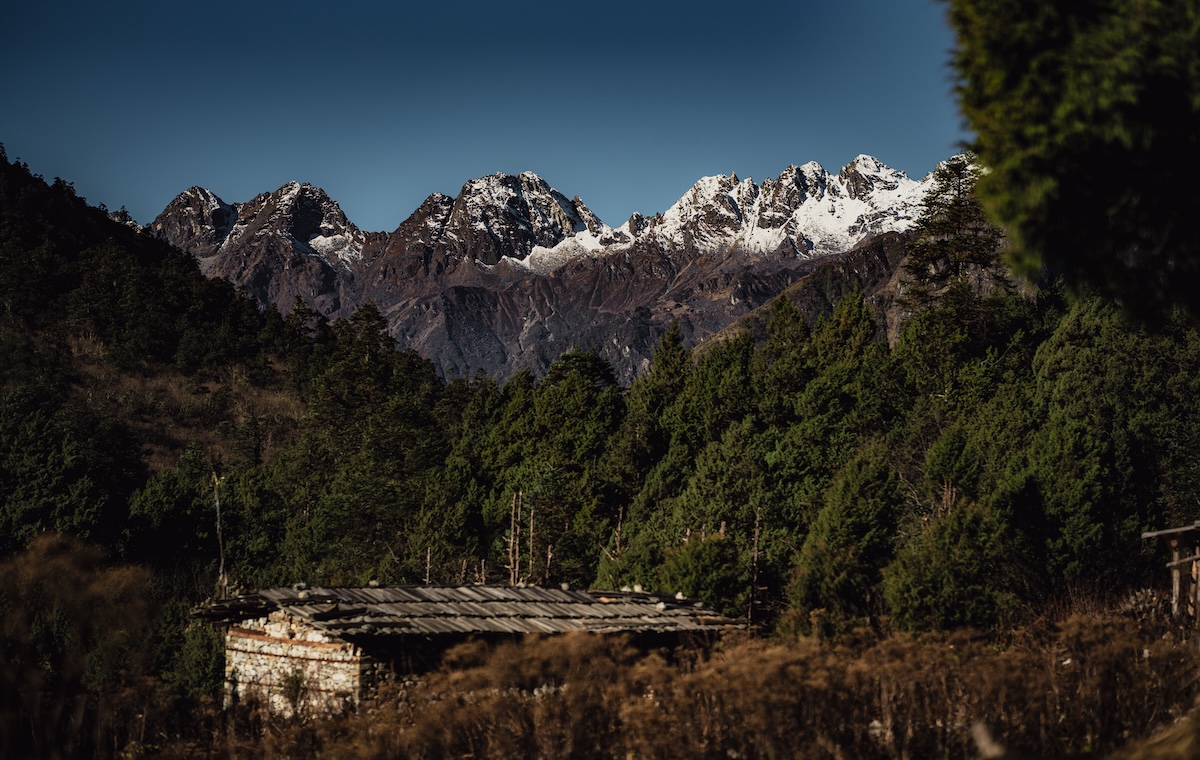
The trek to Jugal Himal Base Camp is not solely a physical ascent. It is also a deeply spiritual journey. For Buddhists, the region holds immense significance, as it is believed that Guru Rimpoche (Padmasambhava) meditated in these mountains during his travels through the Himalayas.
Passing through villages such as Tembathang (2,330m), trekkers enter settlements primarily inhabited by the Sherpa community. Here, a statue of Guru Rimpoche is currently under construction, symbolising the region’s growing emphasis on Buddhist pilgrimage tourism. Further ahead at Chendang (2,630m) lies the Sungma Waterfall, named after a disciple who, according to legend, was sent by Guru Rimpoche to perform penance at the site.

Other sacred landmarks along the route include:
- Tongsuphu Cave: A natural heritage site believed to have sheltered Guru Rimpoche and his disciples.
- Meditation Gumbas: Areas where marks of the master’s Vajra (thunderbolt) are said to be visible on rocks, associated with his spiritual battles against negative forces.
- Ne-Pemachal (3,470m): In the Sherpa language, Ne means pilgrim. Often described as a “Hidden Paradise,” the site is believed to reveal itself only to those with pure intent and faith.

Toward the Base Camp: Bombu Sherpu and the High Himalaya
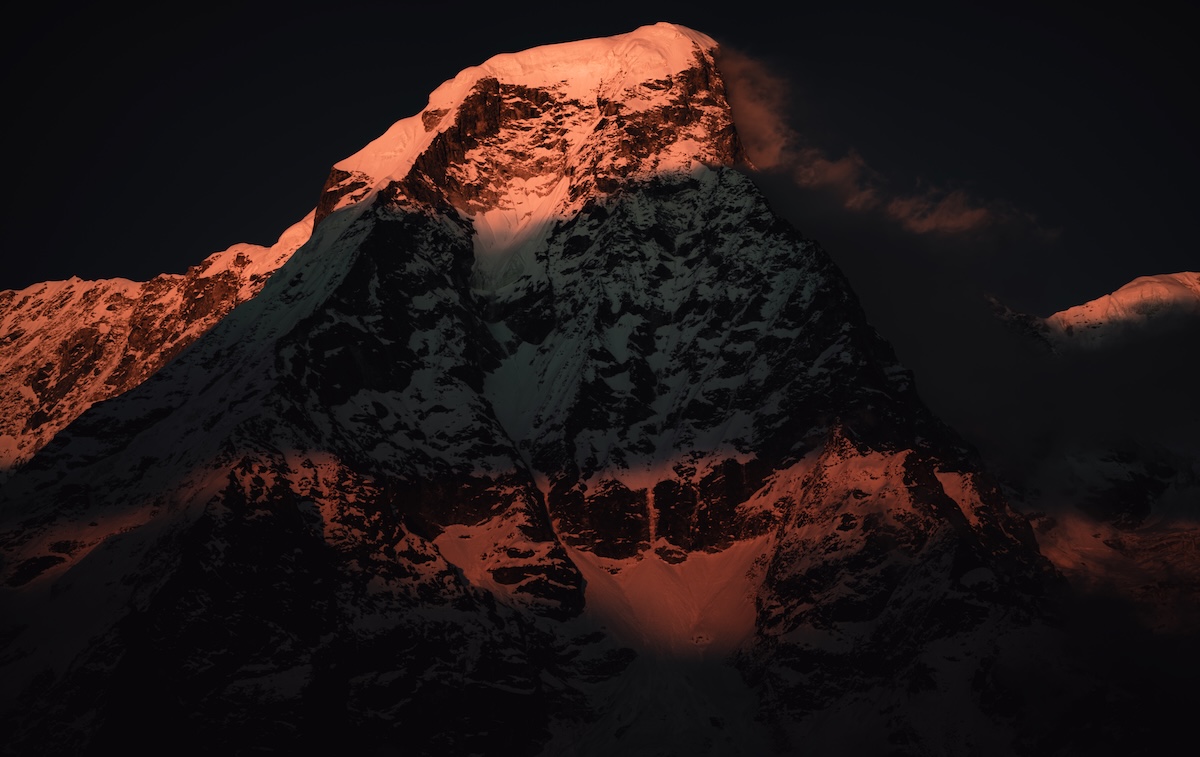
As altitude increases, forests thin and the landscape transforms into a stark composition of stone, ice, and sky. Bombu Sherpu (4,130m) acts as a natural viewpoint, offering unobstructed panoramas of the entire Jugal range. From here, Jugal Himal and Dorje Lhakpa appear immense and strikingly close.
The final push leads to Jugal Himal Base Camp (4,500m), where the scale of the mountains becomes overwhelming. The base camp offers sweeping views of the range’s most prominent peaks:
- Gyalzen Peak (6,151m), the highest in the range
- Ladies Peak (5,800m)

Standing here is often an emotional moment. The grandeur of the mountains contrasts sharply with visible signs of climate change, as melting snowfields hint at rising temperatures and their consequences for both ecosystems and mountain communities.
Practical Information for the Jugal Himal Trek
As the trail remains in a developing stage, preparation is essential:
- Accommodation: Basic lodging is available in local homes and Dharmashalas. Do not expect modern facilities.
- Connectivity: Mobile networks disappear beyond certain points. Inform family and contacts in advance.
- Gear: A high-quality sleeping bag and full trekking equipment are mandatory due to freezing nighttime temperatures.
- Cultural Ethics: Areas around Chendang are sacred. Loud noise and animal slaughter are strictly prohibited out of respect for religious traditions.

Jugal Himal: A Quiet Call from the Mountains
Jugal Himal proves that one does not need to travel far from Kathmandu to encounter something profoundly untouched. Here, rivers murmur through silence, prayer flags flutter against ancient rock faces, and history lingers in the air.
Whether drawn by the physical challenge or the spiritual legacy of Guru Rimpoche, Jugal offers a rare intimacy with the mountains. With the continued efforts of JTPEcF-Nepal and the resilience of local Sherpa communities, this long-hidden Himalayan pearl is finally ready to be seen quietly, respectfully, and on its own terms.
Article By: Puspa Devkota
Photos: Abhishek Dhakal, Ganesh KC

Comments are closed.